Table of Contents (22 sections)
Introduction
Becoming a chef is a fulfilling journey, blending creativity, skill, and scientific understanding of food. Mastering culinary techniques is vital for anyone aspiring to elevate their culinary game. This guide will cover the essential techniques every new chef should master, helping you build a solid foundation for your cooking career.
1. Understanding Cooking Methods
What Are Cooking Methods?
Cooking methods refer to the processes used to prepare food. These methods are typically categorized into several types, including moist heat, dry heat, and methods that combine both. Understanding these methods not only helps you prepare delicious food but also allows you to choose the right technique for the ingredients you have available.
Some common moist heat methods include boiling, steaming, and braising, while dry heat methods encompass baking, roasting, and grilling. Each method affects the flavor, texture, and nutritional content of the food, so it’s crucial to select the right one.
Why It’s Important
Mastering cooking methods allows chefs to maximize flavors and textures in their dishes. For example, roasting can bring out caramelization in vegetables, whereas steaming retains more nutrients. Understanding these techniques will enable new chefs to harness the full potential of their ingredients. Moreover, familiarizing yourself with these methods will help avoid common pitfalls. For instance, overcooking vegetables can lead to loss of color and nutrients.
2. Knife Skills: The Foundation of Cooking
The Importance of Knife Skills
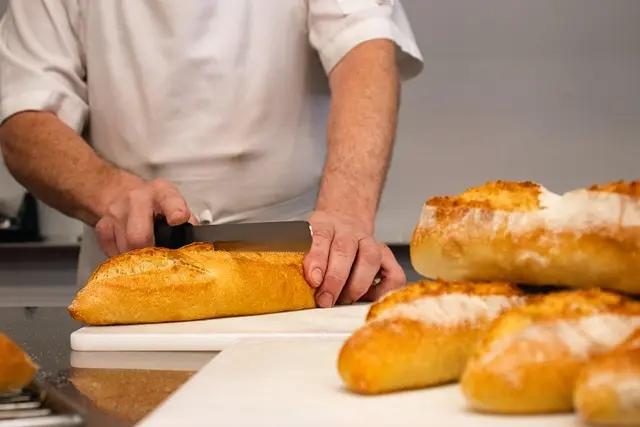
Knife skills are often overlooked but are the backbone of any good chef’s repertoire. Proper knife handling not only increases efficiency but also enhances food presentation. Becoming proficient in basic cuts—like julienne, mince, and chiffonade—ensures uniform cooking and aesthetic appeal.
How to Improve Knife Skills
- Choose the Right Knife: Invest in a chef's knife and a paring knife. The right tools can make all the difference.
- Learn Proper Grip: Hold the knife firmly and use a pinch grip for better control.
- Practice Regularly: Dedicate time to practice various cuts. You can enhance your skills through online tutorials or cooking classes.
- Be Mindful of Safety: Always use a cutting board and follow safety protocols to avoid injuries.
Common errors include holding the knife incorrectly or applying too much force. Regular practice will not only improve your skills but will also build your confidence in the kitchen.
3. Mastering Basic Sauces
The Role of Sauces in Cooking
Sauces can elevate even the simplest of dishes and add layers of flavor. Mastering basic sauces—like béchamel, tomato sauce, and hollandaise—arms new chefs with a versatile tool chest.
Steps to Create Sauces
- Start with a Roux: For many sauces, cooking equal parts of flour and fat until golden brown forms a base.
- Use Stock: Gradually add stock to your roux to prevent lumps. For cream-based sauces, gradually add milk or cream.
- Seasoning: Don’t forget to season your sauces. Taste as you go, and adjust accordingly.
- Finish with Fresh Herbs: Add brightness and freshness by incorporating herbs at the end.
Mastering these foundational sauces means you can create a plethora of dishes, transforming simple ingredients into gourmet meals.
4. Cooking Proteins Perfectly
Techniques for Protein Cooking
Cooking proteins correctly is crucial, as it impacts their flavor and texture. Whether it's chicken, beef, or fish, each protein has its unique cooking requirements. Grilling, pan-searing, and braising are popular methods to achieve the perfect cook.
Step-by-Step Guide to Cooking Chicken
- Preparation: Pat the chicken dry to achieve a crispy exterior.
- Season Generously: Use salt, pepper, and herbs to enhance flavor.
- Choose Your Method: For pan-searing, heat oil to medium-high before adding the chicken. For baking, ensure your oven is preheated.
- Monitor Temperature: Use a meat thermometer to ensure the chicken reaches an internal temperature of 165°F for safety.
Cooking proteins can be challenging; overcooking often results in dry dishes. Utilize techniques like marinating or brining to keep proteins moist.
5. Baking Basics: Perfecting the Art of Pastry
Why Baking is Different
Baking is considered a science, where precise measurements and techniques matter significantly. Understanding the chemical reactions between ingredients allows newer chefs to create more successful baked goods.
Key Techniques in Baking
- Measure Accurately: Use a kitchen scale for dry ingredients to ensure precision.
- Understand Dough Consistency: Learn how different amounts of liquid affect the dough’s texture.
- Learn Different Mixing Techniques: Folding, creaming, and whisking have different effects on the final product.
- Temperature Matters: Preheat your oven adequately, as an overheated oven can lead to uneven baking.
Common mistakes include underbaking or overbaking. Check for doneness using toothpick tests or by gently pressing on the surface.
Checklist for Culinary Techniques
- [ ] Understand different cooking methods
- [ ] Practice knife skills
- [ ] Master at least three basic sauces
- [ ] Learn to cook proteins properly
- [ ] Get comfortable with baking fundamentals
📺 Resource Video
📺 For a deeper dive: Explore cooking techniques in detail with demonstrations. Search on YouTube: "culinary techniques for beginner chefs 2026."
Glossary
| Term | Definition |
|---|---|
| Roux | A mixture of flour and fat cooked together to thicken sauces. |
| Mise en Place | A French culinary phrase meaning everything in its place, referring to preparation before cooking. |
| Brining | Soaking food in a solution of salt and water to enhance moisture and flavor. |
- What are the essential culinary techniques every chef should know?
Every chef should master knife skills, cooking methods, sauces, protein cooking, and basic baking techniques.
- Why are knife skills important in cooking?
Proper knife skills enhance efficiency, safety, and presentation in the kitchen.
- How can I improve my baking skills?
Practice measuring accurately, understanding ingredient interactions, and trying new recipes regularly.
- What cooking methods should I focus on as a beginner?
Focus on mastering both moist and dry heat cooking methods like steaming, roasting, and braising.
Conclusion
Mastering culinary techniques is a journey that requires practice, patience, and creativity. By focusing on the important skills outlined in this guide, new chefs can build a solid foundation for their culinary careers. Whether cooking at home or in a professional kitchen, these skills will serve you well. Embrace the process and enjoy every delicious moment along the way!
📺 Pour aller plus loin : culinary techniques for beginner chefs 2026 sur YouTube