Table of Contents (11 sections)
Becoming a chef is not simply about following recipes; it’s about mastering the skills that bring those recipes to life. In this culinary techniques guide, we will explore the fundamental skills every chef needs. From basic knife skills to complex cooking methods, these techniques will empower aspiring chefs to elevate their culinary game.
Table of Contents
Knife Skills
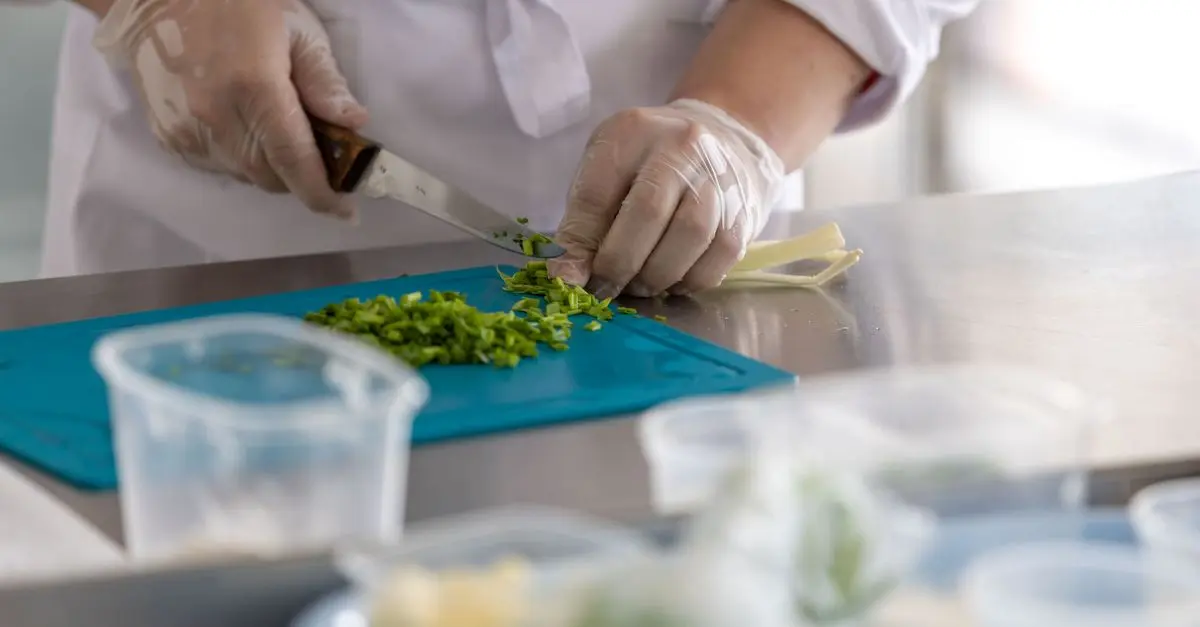
Knife skills are the cornerstone of culinary techniques and are essential for any chef. This involves learning how to properly grip a knife, how to cut, chop, mince, and dice various ingredients. A good chef must master the chef's knife, paring knife, and bread knife. Start by practicing the claw grip with your non-dominant hand to protect your fingers while cutting.
Here are some common techniques:
- Julienne: Cut vegetables into thin matchstick strips.
- Brunoise: A fine dice; a technique used for flavors and for visual aesthetics in dishes.
- Chiffonade: Stacking and slicing leafy greens or herbs into thin strips.
Pro Tip: Always keep your knives sharp. Dull knives lead to accidents and make preparation more laborious. Regularly honing and sharpening your knives can create a safer and more efficient kitchen environment.
Cooking Methods
Understanding various cooking methods is vital for creating different textures and flavors. Here are the most common techniques:
- Sautéing: Cooking quickly in a small amount of oil over high heat. Ideal for vegetables and proteins.
- Braising: Cooking in a small amount of liquid in a covered pot. This is excellent for tougher meats, making them tender and flavorful.
- Roasting: Cooking dry heat in the oven. Vegetables and meats develop a caramelized exterior while remaining juicy.
- Grilling: This method involves cooking over direct heat. Whether on a gas, charcoal, or electric grill, it provides a distinct flavor.
It's essential to match the cooking method with the ingredient. For instance, lean meats benefit from quick cooking methods like sautéing, while tough cuts are perfect for braising.
Sauce Preparation
Sauces elevate any dish and mastering them is a hallmark of professional chefs. The five mother sauces are:
- Béchamel: A white sauce made from milk, flour, and butter — the base for cheese sauces like Mac & Cheese.
- Velouté: A light stock-based sauce that can serve as a base for various sauces.
- Espagnole: A brown sauce made from roasted meat and vegetables, ideal for gravies and rich flavors.
- Tomato Sauce: A versatile base used in Italian cooking and beyond.
- Hollandaise: An emulsion of egg yolk, vinegar, and melted butter — think Eggs Benedict.
Creating sauces requires patience and practice. Start with simple reductions and gradually experiment with different flavor profiles. Remember, season as you go — taste is key.
Plating Techniques
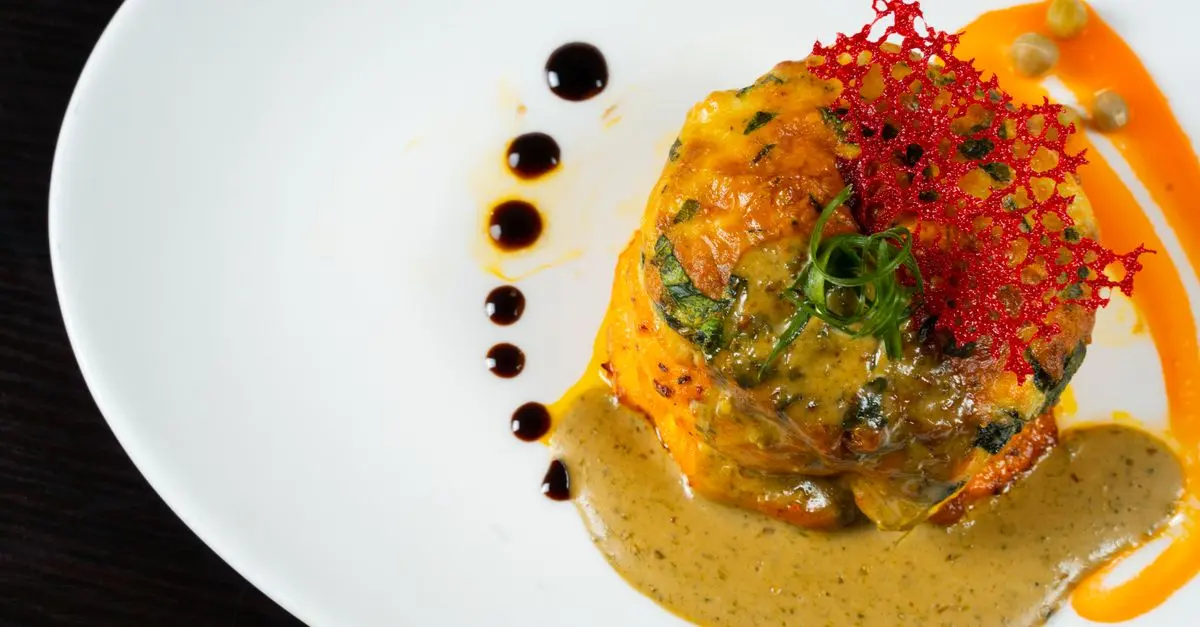
Plating is where culinary art meets presentation. Proper plating techniques not only enhance the dish's appeal but can also affect the diner’s experience. Here are some popular plating techniques:
- Using a Ring Mold: To create height and structure with layered ingredients.
- Swoosh or Drizzle: Using sauces artistically on the plate.
- Height and Composition: Build plating around height by stacking or layering ingredients.
- Color and Contrast: Incorporate a variety of colors for an enticing visual.
A clean plate is essential; wipe edges to maintain a professional look. Always remember, we eat with our eyes first.
Garnishing
Garnishing adds the final touch to dishes. It’s about making food visually appealing while enhancing flavor. Here are some popular garnishing techniques:
- Herbs: Fresh herbs like cilantro, parsley, or basil can add color and aroma.
- Citrus Zest: Adds brightness and freshness to rich dishes.
- Edible Flowers: Used sparingly for an exquisite décor.
- Microgreens: These tiny sprouts offer a burst of flavor and aesthetic appeal.
Use garnishes purposefully; they should enhance the dish, not distract from it. A classic example of garnishing is adding a squeeze of lemon to grilled fish for both flavor and color.
Ingredient Knowledge
An effective chef should have a solid knowledge of ingredients. This includes understanding seasonal produce, flavor pairings, and proper storage. Focusing on local ingredients can strengthen flavor and reduce waste. Learn about common herbs, spices, grains, and proteins along with ideal preparation methods.
- Seasonal Ingredients: Utilize fresh produce based on the season for the best taste and value. For instance, during spring, use asparagus and peas while in winter, root vegetables take the lead.
- Flavor Pairings: Familiarize yourself with combinations, such as basil and tomatoes, or lemon and seafood. This knowledge helps in creating harmonious dishes that are balanced and pleasing.
Checklist
- [ ] Practice knife skills daily.
- [ ] Experiment with different cooking methods on various proteins.
- [ ] Create mother sauces to enhance dishes.
- [ ] Master plating and presentation techniques.
- [ ] Explore garnishing ideas that complement your dishes.
- [ ] Research local, seasonal ingredients regularly.
Glossary
| Term | Definition |
|---|---|
| Brunoise | A finely diced vegetable cut. |
| Emulsion | A mixture of two liquids that typically don't combine. |
| Sauté | Cooking quickly in a small amount of oil over high heat. |
> 🧠 Quiz rapide : What is the primary purpose of garnishing?
> - A) To add texture
> - B) To enhance flavor
> - C) To make food visually appealing
> Réponse : C — Garnishing makes food visually appealing and can enhance flavor.
📺 For further learning: Essential Cooking Techniques, a complete overview of culinary skills. Search on YouTube: essential cooking techniques for chefs 2026.
By mastering these culinary techniques, aspiring chefs will build a strong foundation that can elevate their culinary practices into professional artistry. So grab your knives, gather your ingredients, and start practicing!
📺 Pour aller plus loin : essential cooking techniques for chefs 2026 sur YouTube