Table of Contents (10 sections)
Culinary techniques form the backbone of cooking, allowing aspiring chefs to transform ingredients into culinary masterpieces. In this guide, we will explore essential techniques, their importance, and provide actionable steps to master each skill. Let's dive into the art of cooking with clarity and precision!
1. Understanding Culinary Techniques
Culinary techniques encompass a variety of skills and methods used in cooking. From knife skills to cooking methods like roasting, steaming, and sautéing, mastering these techniques is crucial for any chef. Why are these techniques important? They not only enhance the flavors and presentation of dishes, but also ensure food safety and proper cooking times.
Common culinary techniques you’ll encounter include:
- Chopping & Slicing: Fundamental knife skills that help in ingredient preparation.
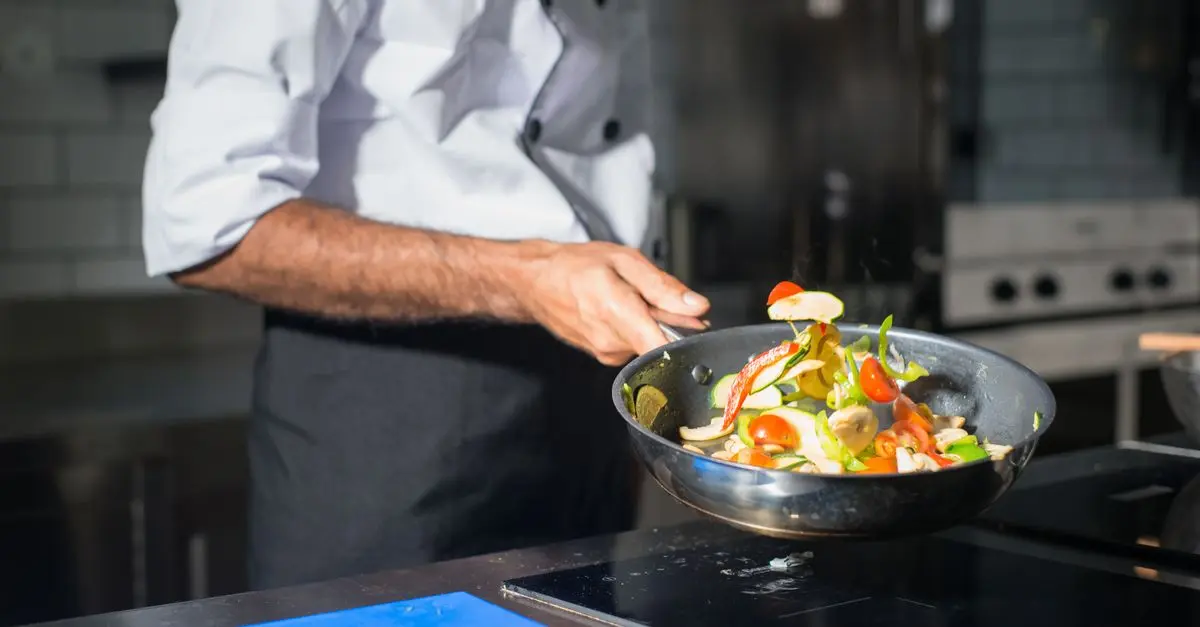
- Sautéing: A quick cooking method that uses a small amount of oil over relatively high heat.
- Baking: Employing dry heat to cook food, usually in an oven.
In 2026, chefs increasingly focus on precision and consistency in their culinary creations. Having a solid foundation in these techniques enriches a chef's repertoire and opens up endless possibilities in the kitchen.
2. Essential Knife Skills
Knife skills are a fundamental aspect of culinary arts. Here’s how to master them step-by-step:
- Choosing the Right Knife: Invest in a good chef's knife, paring knife, and a serrated knife. Each serves a specific purpose and enhances efficiency.
- Practicing Proper Grip: Hold the knife with your dominant hand, pinch the blade with your thumb and index finger, wrapping your other fingers around the handle for better control.
- Techniques to Learn: Start with basic cuts such as dicing, chopping, julienne, and chiffonade. Practice on various vegetables like onions and bell peppers.
- Safety Measures: Always use a cutting board and keep your fingers tucked under while cutting to avoid accidents.
💡 Expert Tip: Regularly sharpen your knives to maintain their effectiveness. Dull knives can lead to accidents and inefficient cutting. Regular honing and occasional sharpening will keep your tools in prime condition.
3. Cooking Methods: Dry vs. Moist Heat
Understanding the different cooking methods is crucial for a successful culinary journey. Let's categorize them:
Dry Heat Cooking Methods
- Roasting: Cooking food evenly in the oven until it’s tender and browned.
- Grilling: Cooking food directly over heat, imparting a smoky flavor.
Moist Heat Cooking Methods
- Boiling: Cooking food in water or broth at high temperatures.
- Steaming: Using steam to cook food without direct contact with water.
Comparative Table – Dry vs. Moist Heat Cooking Methods
| Cooking Method | Best For | Flavor Development | Preparation Time |
|---|---|---|---|
| Roasting | Meats, Vegetables | High | Moderate |
| Boiling | Vegetables, Pasta | None | Quick |
| Grilling | Meats, Fish | High | Moderate |
| Steaming | Vegetables, Seafood | Moderate | Quick |
Choosing the right method depends on the ingredients you are using and the desired outcome. Experimentation is key—try combining methods for unique results. For instance, roasting vegetables and then tossing them with a fresh herb sauce can add layers of complexity to your dish.
4. Baking Basics
Baking requires precision and a good understanding of ingredient interactions. Here’s how to start:
- Understand Baking Ingredients: Familiarize yourself with flour types, sugars, and chemical leaveners such as baking soda and baking powder.
- Measuring Ingredients: Accurate measurement is crucial in baking. Use kitchen scales when possible for the best results.
- Following Recipes to the Letter: Baking is a science—deviating from the amounts or order can lead to disastrous outcomes.
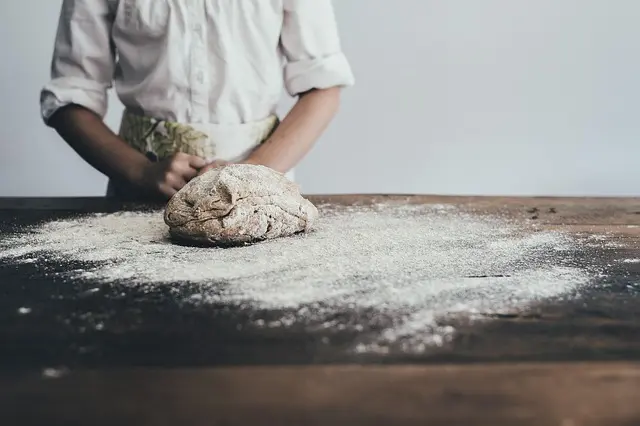
- Practice Dough Techniques: Kneading, folding, and shaping dough are essential skills. Watch tutorials to see these techniques in action.
💡 Expert Insight: Keep an eye on your oven's temperature. Investing in an oven thermometer can ensure accurate baking, as many home ovens are off by several degrees.
5. Cooking for Flavor: Seasoning Techniques
Flavor is vital in culinary arts, and seasoning is an art in itself. Here are steps to master this skill:
- Salt as the Foundation: Salt enhances the natural flavors of food. Use kosher salt for best results.
- Incorporate Herbs and Spices: Fresh herbs can brighten dishes, while dried spices add depth. Start by experimenting with common herbs such as basil, thyme, and spices like cumin and coriander.
- Taste as You Go: Engage your taste buds! Continuously adjusting flavors during the cooking process can lead to perfectly balanced dishes.
- Learn About Acidity: Balancing flavors with acids such as vinegar or citrus juice can elevate your dish immensely.
6. Checklists and Best Practices
A successful cooking experience can be streamlined with a clear checklist. Before you start cooking:
- [ ] Gather all ingredients and tools.
- [ ] Preheat the oven or pan where necessary.
- [ ] Prepare your workspace, ensuring cleanliness and organization.
- [ ] Double-check your recipe for completeness.
- [ ] Set timers to avoid overcooking.
📺 For further exploration: [Essential Culinary Techniques for Aspiring Chefs], delve deeper into professional cooking skills. Search on YouTube:
culinary techniques 2026 tutorial.
7. Frequently Asked Questions
Q1: What are basic cooking techniques I should learn as a beginner?
A1: Start with knife skills, roasting, sautéing, and basic baking. These foundational skills will set you up for success in the kitchen.
Q2: Why is mastering culinary techniques important?
A2: Mastering cooking techniques enhances flavor, improves presentation, and boosts confidence in your culinary abilities.
Q3: How can I improve my baking skills?
A3: Practice measuring accurately, follow recipes closely, and learn about ingredient interactions to improve your baking prowess.
Q4: What is the best way to season food?_A4: Taste as you cook, adjust flavors gradually, and remember that salt is often the essential first step in enhancing dish flavors.
Glossary
| Term | Definition |
|---|---|
| Sautéing | Cooking food quickly in a small amount of oil over high heat. |
| Roasting | Cooking food evenly in an oven using dry heat. |
| Baking | Cooking food by surrounding it with dry heat, typically in an oven. |
Checklist before Cooking
- [ ] Gather all necessary ingredients.
- [ ] Read through the entire recipe.
- [ ] Prepare your kitchen tools.
- [ ] Preheat cooking appliances.
- [ ] Taste and adjust flavors as needed.
With this comprehensive guide, you are now well-equipped to start mastering essential culinary techniques and paving your way to becoming a proficient chef. Happy cooking!
📺 Pour aller plus loin : culinary techniques 2026 tutorial sur YouTube