Table of Contents (12 sections)
Becoming a chef is not merely a career choice; it's a journey filled with creativity, precision, and a steadfast commitment to culinary excellence. The foundation of a successful culinary career lies in mastering essential culinary techniques. In this tutorial, we will guide you through the fundamental skills every chef should know, ensuring you are well-equipped for the kitchen.
1. Understanding Culinary Techniques
Culinary techniques are the methods and skills used in cooking that can range from slicing and dicing to more complex methods such as sous-vide and flambé. Understanding these skills is crucial for any chef, as they form the backbone of both professional and home cooking.
Culinary techniques can be broadly classified into several categories: preparation techniques, cooking techniques, and presentation techniques. Good chefs utilize these techniques to enhance flavors, textures, and overall dish presentation. According to a survey conducted by the Culinary Institute of America in 2025, over 80% of culinary professionals report that mastering basic techniques was pivotal in their career advancement.
Key culinary techniques include:
- Chopping and Cutting: Mastering knife skills is essential for efficient cooking.
- Sautéing: A quick method where food is cooked in a small amount of oil over high heat.
- Poaching: Cooking food gently in water or broth at low temperatures, ideal for delicate proteins.
- Baking: A versatile method involving dry heat in an oven, crucial for pastries and bread.
2. Mastering Basic Knife Skills
Knife skills are arguably the most vital culinary techniques for any chef. Your ability to use a knife can enhance your efficiency and precision in the kitchen. Start with a good quality chef’s knife and a honing steel. Here are the steps to hone your knife skills:
- Choose the Right Knife: A chef’s knife is versatile, while paring and boning knives address specific needs.
- Understand Knife Cuts: Familiarize yourself with different cuts: julienne, brunoise, chiffonade, and dice. Each has distinct purposes and presentations.
- Practice Proper Grip: Use a pinch grip to hold the knife near the blade for better control and a more secure hold.
- Use a Stable Cutting Board: Ensure your cutting board is clean and non-slip. This prevents accidents while cutting.
- Maintain Your Knives: Regularly sharpen your knives and clean them immediately after use to maintain their efficacy.
💡 Expert Tip: Regular practice is key. Spend time slicing vegetables, fruits, and proteins to build your confidence.
3. Cooking Techniques in Detail
Cooking techniques transform raw ingredients into a finished dish. Understanding these methods allows you to experiment confidently. Here are a few fundamental techniques:
- Sautéing: Used to quickly cook food over high heat, sautéing provides a rich flavor through browning. Ensure your pan is hot and use oils with high smoking points, such as canola or grapeseed oil.
- Steam Cooking: A healthy method preserving nutrients by cooking food above boiling water—perfect for vegetables.
- Braising: Ideal for tougher cuts of meat, braising involves browning the food first and then slowly cooking it in a little liquid. This breaks down tougher fibers and adds depth to flavor.
- Baking: Essential in pastry making, baking requires accurate temperatures. Understand the role of ingredients: flour types, leavening agents, and temperature effects.
4. Understanding Flavor Profiles
Creating exceptional dishes involves understanding flavor profiles and how certain ingredients work together. Different flavors—sweet, sour, salty, bitter, and umami—should be balanced for well-rounded dishes. Here’s how to develop flavor:
- Seasoning: Use salt effectively. Salting in stages enhances flavor at all culinary levels.
- Acidity: Incorporate acids like vinegar or citrus to brighten dishes. Balance is the key.
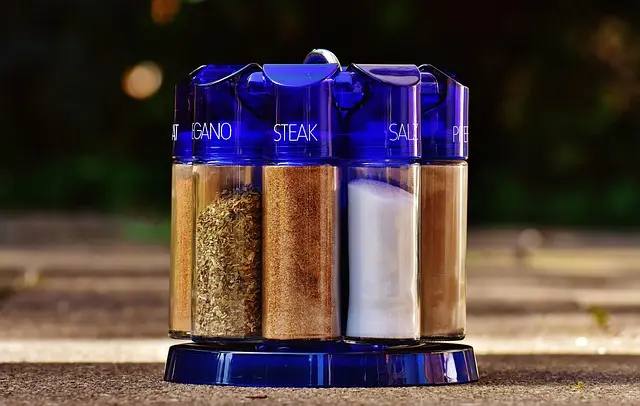
- Herbs and Spices: Utilize fresh and dried herbs to enhance taste without overwhelming the dish.
- Cooking Techniques Influence Flavor: Grilling imparts smokiness, while poaching keeps flavors light and fresh.
5. Presentation Techniques
The art of plating goes beyond simply placing food on a plate. Presentation can greatly influence a diner's perception of the dish. Here are some styles:
- Use Color and Contrast: Incorporate vibrant ingredients to make dishes visually appealing.
- Plate Arrangements: Utilize odd-number groupings and varying heights for interest.
- Sauce Techniques: Learn techniques for saucing like pillow, swoosh, and drizzle to enhance visual appeal.
- Garnishing: Simple garnishes like microgreens or edible flowers can elevate a dish's appearance.
6. Continuous Learning and Practice
Culinary skills are perfected over time. Continuous learning is essential for any chef. Here are a few resources to further your knowledge:
- Attend Workshops: Local culinary schools often offer classes to help hone techniques.
- Books and Online Classes: Invest in reputable culinary books or online platforms that focus on techniques.
- Practice at Home: Regularly dedicate time to experiment in the kitchen, trying new recipes and refining skills.
Checklist before a Culinary Session
- [ ] Ensure your ingredients and tools are prepared.
- [ ] Review your recipes and techniques.
- [ ] Maintain safety standards in the kitchen.
- [ ] Have a cleanup plan post-cooking.
- [ ] Keep a notebook for ideas and lessons learned.
🌐 Conclusion
Mastering culinary techniques extends beyond mere cooking; it encompasses a deep understanding of flavors, techniques, and presentation. A chef must engage in constant learning and practice to elevate their skills. With this guide, you will have the foundational knowledge to embark on your culinary journey confidently.
📺 For More Insight: Explore advanced cooking techniques and methods with engaging tutorials available on YouTube. Search for:
advanced cooking techniques 2026.
📋 Glossary
| Term | Definition |
|---|---|
| Sautéing | Cooking food quickly in a small amount of fat over high heat. |
| Braising | A method of cooking meat by first browning it and then slow cooking it in liquid. |
| Glazing | A technique that enhances the surface of food by applying a shiny coating, typically made from stock or DEMIGLACE. |
Checklist before Culinary Mastery
- [ ] Practice basic knife skills.
- [ ] Familiarize with various cooking techniques.
- [ ] Experiment with flavor pairings.
- [ ] Enhance plating skills.
- [ ] Seek feedback from peers or mentors.
NewAge Outdoor Kitchens Newage Products Outdoor Kitchen Cabinets Aluminum Slate Grey Glass Kamado Cabinet
garagegiantusa.com
NewAge Outdoor Kitchens Newage Products Outdoor Kitchen Cabinets Stainless Steel Kamado Cabinet
garagegiantusa.com
Recommended products
Selected by our experts
NewAge Outdoor Kitchens Newage Products Outdoor Kitchen Cabinets Aluminum Slate Grey Glass Kamado Cabinet
garagegiantusa.com
This cabinet is perfect for any outdoor kitchen, providing excellent storage solutions for culinary tools and equipment.
NewAge Outdoor Kitchens Newage Products Outdoor Kitchen Cabinets Stainless Steel Kamado Cabinet
garagegiantusa.com
A robust storage cabinet designed for outdoor kitchen setups, enhancing organization for culinary mastery.