Table of Contents (14 sections)
Cooking is both an art and a science, and mastering the essential culinary techniques can make all the difference in turning a simple dish into a masterpiece. Whether you aspire to be a professional chef or simply want to improve your home cooking, understanding these techniques is fundamental. This guide will walk you through crucial cooking techniques that every chef should know, ensuring you have the skills needed for success in the kitchen.
1. Knife Skills: The Foundation of Culinary Arts
Mastering knife skills is arguably the most essential technique every chef must hone. The ability to chop, slice, and dice with precision not only enhances efficiency but also ensures the even cooking of ingredients, which is critical for flavor and texture.
How to Improve Your Knife Skills
- Grip and Posture: Start by holding the knife correctly. Grip the handle firmly with your dominant hand and use your other hand to guide the food. Keep your fingers curled inward to prevent accidents.
- Practice Cuts: Familiarize yourself with basic cuts like julienne, brunoise, and chiffonade. Use vegetables such as carrots and bell peppers to practice. Regular practice will increase your speed and confidence.
- Maintenance: A sharp knife is safer and more effective. Invest in a quality whetstone for sharpening your knives regularly. Dull blades lead to mishaps and uneven cuts.
💡 Expert Tip: Join a local cooking class or watch online tutorials to refine your techniques. According to statistics from the American Culinary Federation, improving knife skills can drastically increase your preparation speed, reducing overall kitchen time.
2. Mastering the Art of Sautéing
Sautéing is one of the most versatile cooking methods and a staple in many cuisines. Understanding how to sauté effectively can elevate your dishes, allowing you to develop rich flavors and enhance textures.
Steps to Sauté Like a Pro
- Choisir Your Pan Wisely: A heavy-bottomed pan retains heat better than a lightweight one, preventing food from burning and allowing for even cooking.
- Preheat the Pan: Preheat your pan before adding oil. The oil should shimmer but not smoke. This prevents food from sticking and boosts flavor development.
- Add Ingredients in Batches: Overcrowding the pan lowers the temperature and leads to steaming rather than sautéing. Cook in smaller batches for better results.
| Criterion | Essential Skill | Pro Tip | Common Mistake |
|---|---|---|---|
| Pan Type | Heavy-bottomed | For even cooking | Using non-stick excessively |
| Temperature | High heat | For quick cooking | Sautéing at too low heat |
| Cooking Time | Quick bursts | Monitor closely | Overcrowding the pan |
| Oil Choice | High smoke point | Grapeseed or Canola | Using olive oil excessively |
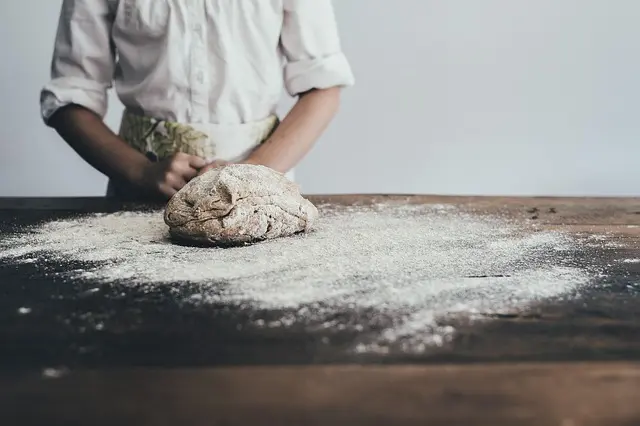
Baking, unlike cooking, is all about precision and patience. From pastries to bread, mastering the basics of baking is crucial for any chef.
Baking Essentials to Grasp
- Temperature Matters: Always ensure that your oven is properly preheated. An oven thermometer can help maintain accurate temperature readings.
- Ingredient Quality: Use fresh ingredients and weigh them accurately. Baking is a science; even a slight change can affect the outcome.
- Technique: Understand the importance of techniques like folding and whisking, which help incorporate air into your mixtures, crucial for the texture of cakes and pastries.
💡 Expert Tip: According to a study by the Culinary Institute of America, consistently using the right baking techniques can enhance the quality of baked goods, making them fluffier and more appealing.
4. Grilling: Harnessing Direct Heat
Grilling is a popular cooking method that imparts a distinct flavor to foods. Whether you're grilling meats or vegetables, mastering this technique can transform your outdoor cooking experience.
Tips for Perfect Grilling
- Preparation: Ensure your grill is clean and well-oiled to prevent sticking. Marinate meats in advance to enhance flavor and tenderness.
- Temperature Management: Use high heat for searing and lower for cooking through. A thermometer can help in monitoring the internal temperature.
- Resting Time: Always let your meat rest after grilling. This allows the juices to redistribute, making for a more flavorful bite.
5. Understanding Sous Vide: Precision Cooking
Sous vide is a cooking technique that has gained popularity due to its precision and ability to enhance flavors. This method involves cooking food slowly in a water bath at a controlled temperature.
How to Master Sous Vide
- Equipment Needed: Invest in a sous vide immersion circulator. This is a key tool for maintaining the precise temperatures required.
- Vacuum Sealing: Use vacuum-sealed bags to cook. This enhances flavor and ensures even cooking.
- Finishing Techniques: After cooking sous vide, finishing the dish on a grill or in a pan can add texture and color.
💡 Expert Tip: A study by the Washington Culinary Institute indicates that sous vide cooking can retain more nutrients compared to traditional methods.
📺 To Explore Further:
Watch “Mastering Culinary Techniques” for a complete walkthrough of essential skills. Search on YouTube: culinary techniques tutorial.
Checklist Before You Start Cooking
- [ ] Gather all ingredients and tools.
- [ ] Ensure knives are sharp and tools are ready.
- [ ] Preheat your oven or grill as needed.
- [ ] Check equipment functions properly.
- [ ] Plan your cooking sequence for efficiency.
Glossary
| Term | Definition |
|---|---|
| Sautéing | Cooking food quickly in a small amount of oil over high heat. |
| Sous Vide | A method of cooking food slowly in a water bath at precisely controlled temperatures. |
| Brunoise | A technique of cutting food into small, uniform cubes, enhancing aesthetic appeal. |
> 🧠 Quick Quiz: What is the ideal knife grip to ensure safety and efficiency?
> - A) Finger on the blade
> - B) Pinch grip near the handle
> - C) No grip required
> Answer: B — A pinch grip allows for greater control and safety.
By mastering these culinary techniques, you'll be well-equipped to create remarkable dishes and build a successful culinary career. Dive into practice, embrace your creativity, and enjoy the process!
📺 Pour aller plus loin : culinary techniques tutorial sur YouTube