Table of Contents (23 sections)
Becoming a chef is more than just a job; it’s a passion for creation. The journey into the world of culinary arts can be thrilling yet daunting, filled with essential culinary techniques that every aspiring chef should master. Understanding these techniques not only improves cooking skills but is crucial for creating delicious dishes consistently. Whether you're a novice or attempting to refine your skills, this guide will delve into the essential culinary techniques necessary for a successful career in cooking.
1. The Basics of Knife Skills
Why Knife Skills Matter
At the core of any proficient kitchen lies a strong foundation in knife skills. Understanding both the handling of knives and different cutting techniques can make food preparation efficient and safe. Proper knife skills improve prep time and ensure beautifully presented dishes. Chefs like Gordon Ramsay often emphasize the importance of mastering these techniques early on training.
Essential Techniques to Master
- Chopping: Use a rocking motion with your knife, keeping the tip on the cutting board for control.
- Dicing: Aim for uniform pieces to ensure even cooking – cube your vegetables into 1/4 to 1/2 inch pieces.
- Julienne: Create thin matchstick pieces for more sophisticated presentations, especially in dishes like stir-fries or salads.
- Mincing: This is particularly useful for garlic and herbs, slicing them into finer pieces.
Common Mistakes to Avoid
Many beginners grip their knives improperly or use too much force, leading to accidents or uneven cuts. Additionally, using a dull knife is a common pitfall that can severely affect one's efficiency. Maintain your knives regularly by honing and sharpening them. As a pro tip, remember to cut away from yourself and always focus on your knife placement to improve safety.
2. Cooking Methods to Know
Exploring Different Cooking Techniques
Understanding various cooking methods is crucial for any chef as it enables versatility in the kitchen. Each method affects taste, texture, and nutrient retention in food. Here are some fundamental methods:
- Sautéing: This quick-cooking technique uses a small amount of fat in a pan over relatively high heat.
- Roasting: Typically used for meats and vegetables, this method involves cooking food evenly in an oven at high temperatures.
- Boiling: A straightforward technique often used for pastas or veggies, which requires bringing water to a steady state before adding ingredients.
Step-by-Step Example: Sautéing Vegetables
- Preparation: Chop your vegetables uniformly to ensure even cooking.
- Heating the Pan: Preheat your sauté pan over medium heat, adding oil when hot.
- Cooking: Add the vegetables in batches, ensuring enough space to avoid steaming.
- Finishing Up: Stir occasionally and season to taste. Serve once they reach the desired tenderness.
Pitfalls in Cooking Techniques
One common mistake is overcrowding the pan, which leads to uneven cooking. Always monitor the heat; too high can burn food, while too low can make it soggy. Experimenting with various methods enriches a chef’s capability and enhances their creativity.
NewAge Outdoor Kitchens Newage Products Outdoor Kitchen Cabinets Aluminum Slate Grey Glass Kamado Cabinet
garagegiantusa.com
NewAge Outdoor Kitchens Newage Products Outdoor Kitchen Cabinets Stainless Steel Kamado Cabinet
garagegiantusa.com
3. The Importance of Seasoning
Seasoning Fundamentals
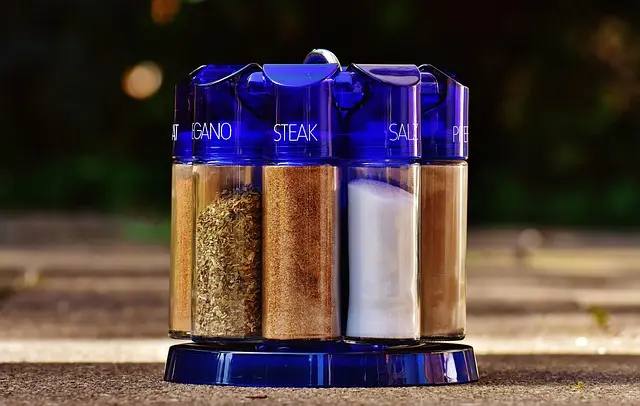
Proper seasoning elevates the flavor profile of any dish. Understanding the role of salt, herbs, and spices can significantly improve cooking outcomes. Salt enhances flavors, while herbs add layers of complexity.
Techniques for Mastering Seasoning
- Tasting as You Go: Always taste your dish at various stages to determine if seasoning adjustments are needed.
- Balancing Flavors: Aim to achieve a balance among sweet, salty, sour, and bitter, tailoring your dish according to the desired profile.
- Layering Flavors: Instead of adding all your seasoning at once, add them gradually at multiple stages of cooking for more depth.
Avoiding Over-Seasoning
It’s easy to over-season, especially with salt. A good practice is to start with small amounts and adjust gradually. Be sure also to consider the flavors of the ingredients used; natural flavors can often speak for themselves and require less enhancement than you might initially think.
4. Essential Kitchen Tools
Must-Have Equipment for Every Chef
A well-equipped kitchen is essential for mastering culinary techniques. Below is a comparison of basic tools versus professional-grade options.
| Tool | Basic Version | Professional Version | Verdict |
|---|---|---|---|
| Chef Knife | Standard Steel | High Carbon Steel | Invest in pro tools |
| Cutting Board | Plastic | Bamboo/Wood | Comfort is key |
| Non-Stick Pan | Low-quality | Hard Anodized | Better for technique |
| Mixing Bowls | Glass | Stainless Steel | Lasts forever |
5. Final Touches and Plating
Artful Presentation
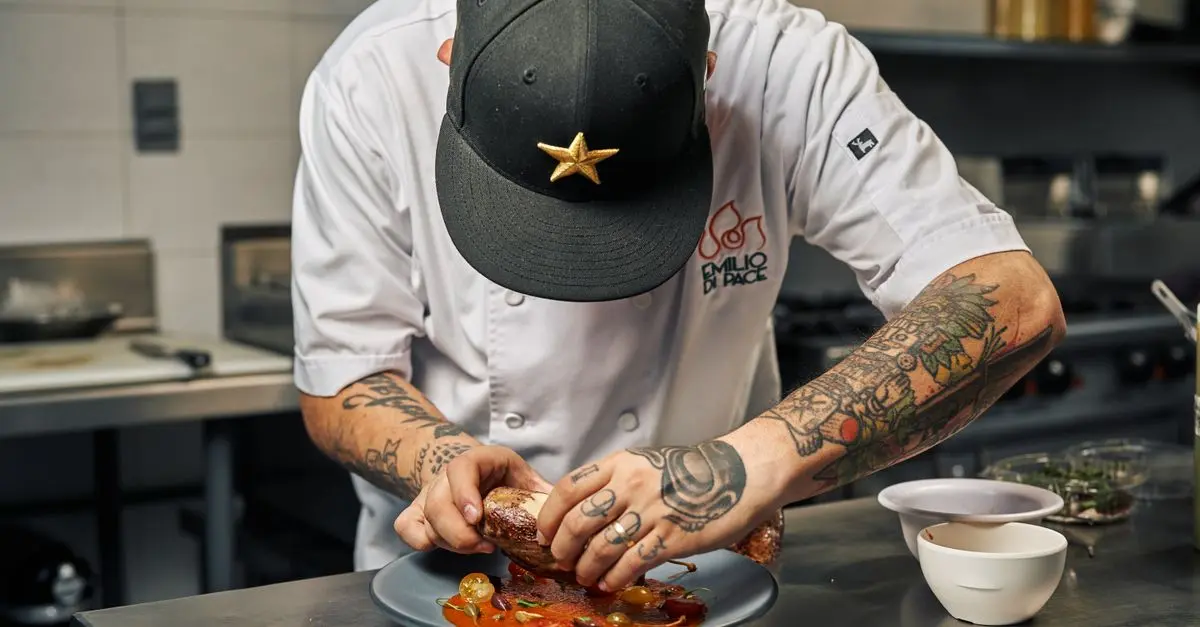
Plating is often overlooked, though it is a crucial skill that can elevate a chef's dish. Well-plated meals not only entice the palate but also impress diners. Presentation involves balancing color, texture, and height on the plate.
Techniques for Effective Plating
- Layering: Combine ingredients of varied heights to create an appealing dimensional look.
- Garnishing: Fresh herbs, sauces, or edible flowers can offer final touches that enhance appearance and flavor.
- Rim Sauces: Create a clean boundary on the plate by saucing only within the central area.
Common Plating Mistakes
A cluttered plate can detract from the dish. Avoid overloading the plate with excess garnishes or sauces; simplicity often wins. Moreover, ensuring every plate is uniform in presentation helps maintain high standards.
Checklist before Starting Your Culinary Journey
- [ ] Master essential knife skills.
- [ ] Familiarize yourself with various cooking methods.
- [ ] Regularly practice seasoning techniques.
- [ ] Invest in quality kitchen equipment.
- [ ] Practice plating techniques to enhance presentation.
Glossary
| Term | Definition |
|---|---|
| Mirepoix | A flavor base composed of onions, carrots, and celery, used as a cooking foundation. |
| Confit | Technique of preserving food, typically meat, in its own fat. |
| Emulsion | A mixture of two substances that typically do not mix, such as oil and water. |
> 📺 For more insights: Mastering Culinary Techniques – The Chef’s Journey, a comprehensive guide on culinary education. Search for “culinary techniques tutorial 2026” on YouTube.
Wrap-Up
Embarking on a culinary journey requires dedication and the right techniques. By mastering the essential culinary techniques discussed in this article, aspiring chefs can lay a strong foundation for a successful career in the kitchen. Practice consistently, seek feedback, and never stop learning!
Discover our product recommendations below to help equip your kitchen for culinary success!
📺 Pour aller plus loin : culinary techniques tutorial 2026 sur YouTube
Recommended products
Selected by our experts
NewAge Outdoor Kitchens Newage Products Outdoor Kitchen Cabinets Aluminum Slate Grey Glass Kamado Cabinet
garagegiantusa.com
This outdoor kitchen cabinet provides ample storage and durability for your culinary tools, essential for aspiring chefs aiming for efficiency.
NewAge Outdoor Kitchens Newage Products Outdoor Kitchen Cabinets Stainless Steel Kamado Cabinet
garagegiantusa.com
The stainless steel cabinet is perfect for outdoor grilling enthusiasts, offering durability and style that can enhance any kitchen setup.
Gants zootechniques El.Cm85 50Pcs
DocMorris FR (ex DoctiPharma FR)
These technique gloves are crucial for any kitchen, providing protection while ensuring precise handling of food.