Table of Contents (21 sections)
Becoming a chef is a journey that combines passion, creativity, and most importantly, masterful culinary techniques. In 2026, aspiring chefs have access to a wealth of resources and methods to refine their skills. Culinary techniques are not merely skills; they are the backbone of culinary art, laying the foundation for every dish you create.
In this guide, we will explore essential culinary techniques that every aspiring chef should master. From basic knife skills to advanced cooking methods, this comprehensive tutorial will help you build a solid culinary foundation.
1. Understanding Culinary Techniques
What Are Culinary Techniques?
Culinary techniques refer to the various methods and skills used in the preparation, cooking, and presentation of food. These techniques are crucial for creating dishes that not only taste great but also look visually appealing. Understanding these different methods allows a chef to control flavors and textures, enhancing the dining experience.
Why Culinary Techniques Matter
Having a strong grasp of various culinary techniques can significantly elevate your cooking. Techniques such as sautéing, boiling, and baking have different impacts on ingredients. According to data from the Culinary Institute of America, mastering foundational techniques is key to developing creativity in the kitchen and crafting signature dishes. Aspiring chefs should focus on both classic and modern methods to refine their artistry.
2. Step-by-Step Guide to Essential Culinary Techniques
Step 1: Mastering Knife Skills
Proficient knife skills are integral to any chef's toolkit. Start with understanding the basic types of knives, their uses, and proper grip techniques. Practice the following:
- Chopping vegetables into uniform pieces.
- Slicing proteins with precision.
- Mincing herbs effectively.
Tips for Success:
- Keep your knives sharp to ensure safety and efficiency.
- Use the correct cutting boards—wood and plastic are great choices.
Step 2: Understanding Cooking Methods
Culinary techniques are often categorized into basic cooking methods:
- Dry Heat Cooking: Examples include roasting and grilling.
- Moist Heat Cooking: Think boiling, steaming, and braising.
- Combination Methods: For instance, searing followed by braising.
Experiment with each method to discover how they affect flavors and textures. For instance, roasting vegetables caramelizes their sugars, enhancing their natural flavors.
Step 3: Sauce Preparation
Mastering sauce preparation is crucial for professional cooking. Classic sauces, like Béarnaise and Béchamel, form the foundation for many dishes. Tips for making sauces:
- Start with a roux for thick sauces.
- Use fresh herbs for flavor enhancement.
- Always taste and adjust seasoning as needed.
Step 4: Baking Techniques
Baking is both an art and a science. Key techniques include measuring ingredients accurately, understanding oven temperatures, and knowing how to test for doneness. Begin with learning:
- Cookie Batching: Experiment with different sizes and shapes.
- Layering Cakes: Practice even frosting and decoration techniques.
Take note that baking often requires precision; small deviations can lead to a significant difference in results.
Step 5: Plating and Presentation
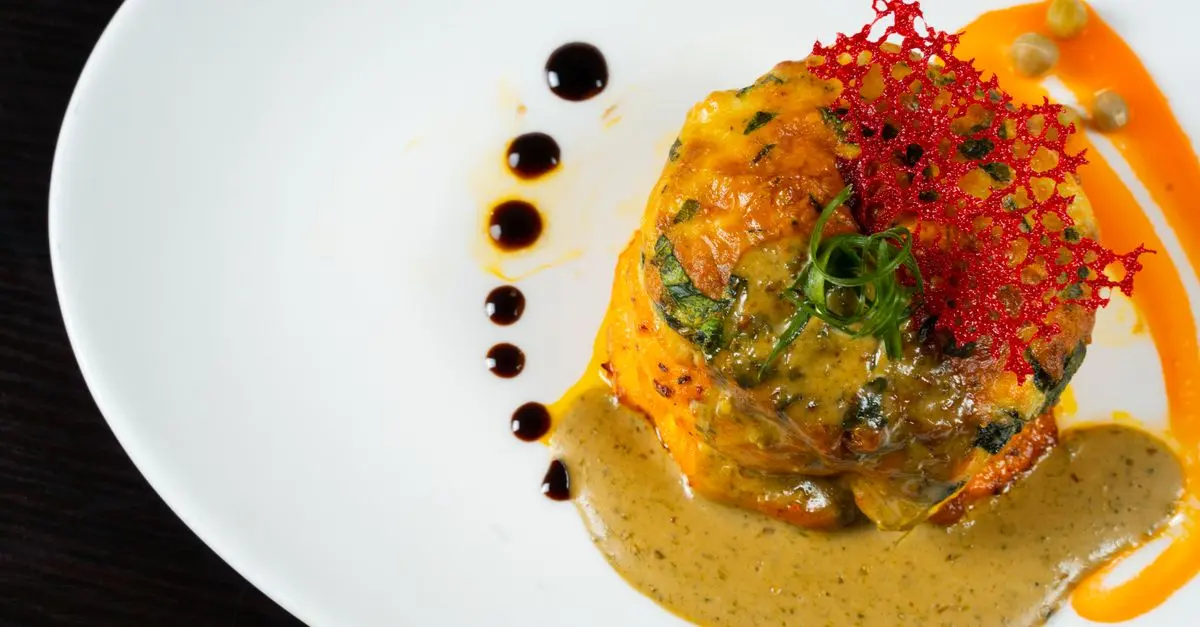
The final step in refining culinary techniques involves plating your dish beautifully. Remember these essential tips:
- Use contrasting colors to enhance visual appeal.
- Consider the height and arrangement of ingredients.
- Balance the plate with complementary sides.
Pro Tip: Invest time in researching plating styles that resonate with you. View plating videos, which often provide inspiration and practical techniques.
NewAge Outdoor Kitchens Newage Products Outdoor Kitchen Cabinets Aluminum Slate Grey Glass Kamado Cabinet
garagegiantusa.com
NewAge Outdoor Kitchens Newage Products Outdoor Kitchen Cabinets Stainless Steel Kamado Cabinet
garagegiantusa.com
Comparative Insight on Techniques
| Technique | Dry Heat Cooking | Moist Heat Cooking | Combination Method | Verdict |
|---|---|---|---|---|
| Example | Roasting | Steaming | Searing followed by Braising | Essential for flavor management |
| Cooking Time | Variable | 15-30 minutes | 1-2 hours | Time investment varies |
| Skill Level | Intermediate | Basic | Advanced | Proficiency builds over time |
| Impact on Flavor | Deep, caramelized | Light, tender | Complex, rich flavors | Choose method based on desired outcome |
Enhancing Your Culinary Skills
Developing culinary techniques enhances your ability to perform intricate tasks efficiently. A study conducted by the Academy of Culinary Nutrition reveals that chefs with strong technical skills can execute menus faster and with better quality. Furthermore, it allows for greater creativity, as it expands your ability to experiment with ingredients and flavors.
Developing specific techniques, such as emulsification for dressings or curing meats, can set you apart in the competitive culinary landscape.
4. FAQs
What are the basic culinary techniques every chef should learn?
Every chef should begin with basic knife skills, mastering cooking methods such as roasting, grilling, boiling, and baking.
How important are presentation skills in culinary arts?
Presentation is crucial as it directly influences a diner's first impression and overall experience with the dish.
Can I become a chef without formal training?
Yes, many successful chefs are self-taught or trained through apprenticeships, focusing on mastering culinary techniques.
What resources are best for learning culinary techniques?
Books, online courses, cooking classes, and instructional videos are excellent resources for learning culinary techniques.
🧠 Quick Quiz
> What is the primary focus of mastering culinary techniques?
>- A) Speed in cooking
>- B) Creativity and artistry in food preparation
>- C) Just following recipes
>Answer: B — Mastering techniques allows for greater creativity and flexibility in the kitchen.
Checklist Before Cooking
- [ ] Gather all ingredients.
- [ ] Organize your workspace.
- [ ] Sharpen your knives.
- [ ] Set oven temperatures accordingly.
- [ ] Have measuring tools handy.
- [ ] Prepare your sauces in advance.
- [ ] Practice plating before service.
Glossary
| Term | Definition |
|---|---|
| Sautéing | Cooking food quickly in a small amount of oil. |
| Emulsification | Combining two liquids that normally don’t mix. |
| Mirepoix | A mixture of diced onions, carrots, and celery used as a flavor base in cooking. |
📺 Video Resource
> 📺 For further learning: How to Master Culinary Techniques, an in-depth guide on essential skills. Search on YouTube: culinary techniques for beginners 2026.
📺 Pour aller plus loin : culinary techniques for beginners 2026 sur YouTube
Recommended products
Selected by our experts
NewAge Outdoor Kitchens Newage Products Outdoor Kitchen Cabinets Aluminum Slate Grey Glass Kamado Cabinet
garagegiantusa.com
This outdoor kitchen cabinet offers ample storage and support for your cooking tools, essential for maintaining an organized workspace.
NewAge Outdoor Kitchens Newage Products Outdoor Kitchen Cabinets Stainless Steel Kamado Cabinet
garagegiantusa.com
The stainless steel design ensures durability and ease of cleaning, making it a perfect addition to any chef's outdoor kitchen.
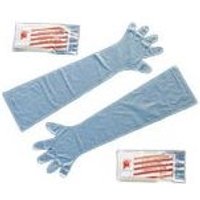
Gants zootechniques El.Cm85 50Pcs
DocMorris FR (ex DoctiPharma FR)
These gloves are great for protecting your hands while handling hot or slippery ingredients, a must-have for any kitchen.