Table of Contents (20 sections)
What Are Culinary Techniques?
Culinary techniques form the backbone of cooking, serving as foundational skills that enable aspiring chefs to create delicious meals efficiently. These techniques can range from basic knife skills to complex cooking methods that require years of practice. Understanding and mastering these skills not only enhances your cooking repertoire but also boosts your confidence in the kitchen. Moreover, as the culinary world becomes more competitive, chefs must distinguish themselves with their technical abilities. According to The Culinary Institute of America, effective cooking techniques can dramatically improve both preparation time and food quality, making them essential for aspiring chefs in today's fast-paced food industry.
Step 1: Knife Skills
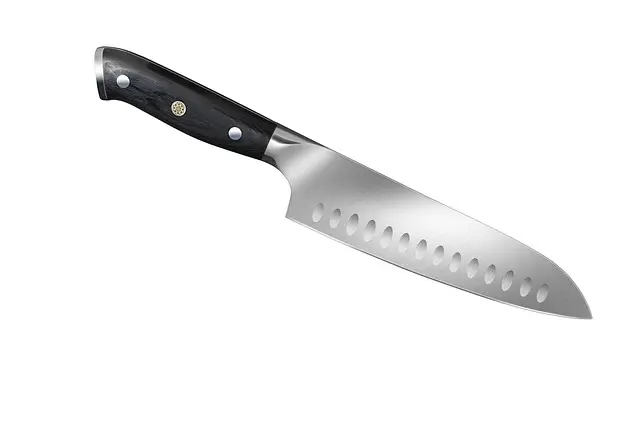
Knife skills are arguably the most fundamental aspect of cooking and require practice to master. Essential techniques include chopping, slicing, dicing, and mincing. Each style of cutting serves a specific purpose in food preparation, influencing not only the cooking time but also the final presentation. For example, when slicing onions, uniformity is key; evenly sized pieces cook at the same rate.
Pro Tips:
- Use a Sharp Knife: A dull knife is more dangerous than a sharp one. Regularly hone your blades and invest in a quality chef's knife.
- Guide Your Fingers: Use the claw grip to hold food securely, protecting your fingertips from accidental cuts.
Common Mistakes:
- Rushing the process and sacrificing technique for speed.
- Ignoring knife maintenance; a well-maintained knife enhances performance.
Step 2: Basic Cooking Methods
An aspiring chef should be well-versed in a variety of cooking methods: sautéing, boiling, steaming, roasting, and grilling. Each method imparts different flavors and textures to food.
For example, sautéing vegetables in olive oil can enhance their natural sweetness, while roasting vegetables brings out an earthy flavor profile through caramelization. Understanding the distinctions between these techniques allows chefs to select the most appropriate method for the dish they are preparing.
Pro Tips:
- Experiment with different fats (like butter or avocado oil) to see how they alter flavors.
- Use a thermometer to ensure meats are cooked to the desired doneness while retaining moisture.
Step 3: Flavor Building
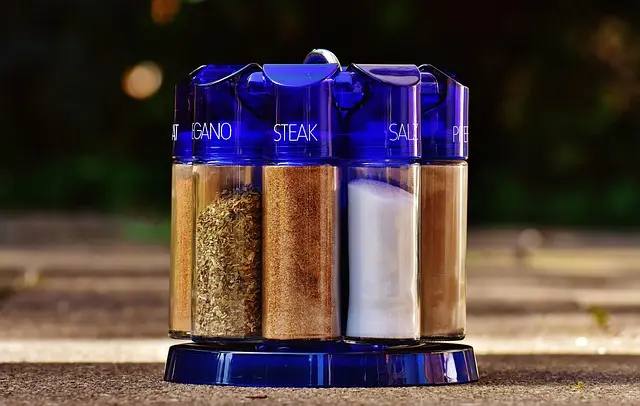
Building flavor is a critical part of culinary techniques and involves understanding how to layer flavors for depth. This can include the use of seasonings, herbs, and cooking methods that enhance the natural flavors of ingredients. For example, creating a basic mirepoix (a mix of onions, carrots, and celery) and sautéing it as a base for stocks or sauces enhances overall flavor complexity.
Pro Tips:
- Utilize fresh herbs at the end of cooking to maintain their vibrant flavor.
- Taste frequently and adjust seasonings accordingly to fine-tune dishes.
Common Mistakes:
- Overusing salt or spices too early in the cooking process, which can lead to an overpowering taste.
Step 4: Plating and Presentation
Presentation is an art form in the culinary world that significantly affects diners' perceptions of a dish. Proper plating elevates the dining experience by appealing to the eyes in addition to the palate. Techniques include the thoughtful arrangement of food, utilizing color contrasts, and garnishing effectively.
Pro Tips:
- Use a ring mold for creating height with layered dishes.
- Pay attention to color; vibrant dishes are inherently more appealing.
Common Mistakes:
- Overcrowding the plate, which seems messy rather than elegant.
Step 5: Baking Fundamentals
Baking is both a science and an art, requiring precision and understanding of ingredients and their reactions. Essential techniques include measuring accurately, mixing methods (folding vs. whisking), and knowing how to check for readiness (such as the toothpick test for cakes).
Pro Tips:
- Always preheat the oven, as it ensures even cooking.
- Invest in high-quality baking tools, such as measuring cups and silicone spatulas.
Common Mistakes:
- Not allowing butter to soften sufficiently, leading to improper creaming and texture.
📺 Resource Video
> 📺 For going further: How to Master Culinary Techniques, a complete analysis of essential culinary techniques. Search on YouTube: culinary techniques tutorial 2026.
Checklist Before You Start
- [ ] Gather essential tools (knives, cutting boards, etc.)
- [ ] Ensure all ingredients are fresh and ready.
- [ ] Set up a clean and organized workstation.
- [ ] Review each cooking technique you’re planning to use.
- [ ] Preheat necessary appliances (oven, stovetop).
Glossary
| Term | Definition |
|---|---|
| Mirepoix | A mixture of onions, carrots, and celery used as a flavor base. |
| Sautéing | A cooking method involving cooking food quickly in a small amount of fat. |
| Plating | The art of arranging and presenting food on a plate attractively. |
Quick Quiz
> 🧠 Quick Quiz: What fundamental cooking technique involves combining flour and fat to create a roux?
> - A) Sautéing
> - B) Baking
> - C) Boiling
> Answer: A — A roux is created by cooking flour with fat, often used in sauces.
📺 Pour aller plus loin : culinary techniques tutorial 2026 sur YouTube