Table of Contents (11 sections)
Introduction to Culinary Techniques
Culinary techniques form the backbone of cooking, providing a foundation for aspiring chefs to build upon. These techniques include everything from basic knife skills to complex cooking methods. Mastering these techniques can significantly impact not only the quality of food but also enhance the overall dining experience. According to the Culinary Institute of America, the right culinary techniques can elevate a dish from mediocre to extraordinary, making it crucial for those looking to pursue a culinary career.
Understanding the core culinary techniques is essential for various reasons. First, they offer a standardized way of preparing food, ensuring consistency in a busy kitchen environment. Second, these skills help chefs innovate recipes and create unique dishes. Lastly, mastering culinary techniques fosters professionalism and boosts confidence in any culinary setting.
Step 1: Knife Skills
Mastering knife skills is fundamental for every aspiring chef. Proper knife techniques elevate efficiency and safety in the kitchen. Begin with the different types of knives, such as the chef's knife, paring knife, and serrated knife. Each serves a distinct purpose, which can enhance your cooking precision.
- Choosing the Right Knife: Invest in a few quality knives that suit your cooking needs. Consider brands like Wüsthof or Victorinox for durable options.
- Grip: A proper grip ensures control and safety. Hold the knife with a pinch grip, using your thumb and index finger to pinch the blade.
- Cutting Techniques: Start with basic cuts like dicing, chopping, and julienne. Practice these techniques on a variety of vegetables to build your confidence.
- Safety Tips: Always cut with the blade facing away from you, and keep your fingers tucked in when holding food to avoid cuts.
Mistakes are common for beginners. Avoid using dull knives, as they can lead to accidents and uneven cuts. Practice regularly to develop muscle memory and speed. In time, you will find that adept knife skills not only make cooking smoother but also enjoyable.
Step 2: Mastering Cooking Methods
Understanding different cooking methods is crucial for every aspiring chef. This includes techniques like sautéing, boiling, steaming, braising, and baking. Each method impacts flavor and texture differently, making it advantageous to master them all.
- Sautéing: Fast and effective, sautéing uses minimal oil over high heat, allowing food to caramelize beautifully. For example, use sautéing to prepare vegetables or meats quickly.
- Boiling: Effective for pasta and grains, boiling involves cooking food in liquid at high heat. Use this method with care to preserve nutrients.
- Steaming: A healthier cooking option, steaming retains nutrients and flavors. Invest in a good steamer for optimal results.
- Braising: This slow-cooking technique combines both dry and liquid heat, perfect for meats like beef or pork that require longer cooking times to tenderize.
Common Pitfalls
One common mistake is not understanding the importance of heat settings for each method. Learning how to control temperatures can make a significant difference in the outcome of your dishes. In addition, ensure all ingredients are at room temperature before you start cooking; this promotes even cooking.
Step 3: Understanding Flavor Profiles
The success of your dishes largely hinges on understanding and balancing flavors. This means knowing how to combine ingredients for optimal taste. Key flavor profiles include sweet, salty, bitter, sour, and umami.
- Seasoning: Don’t underestimate the power of salt. It enhances the natural flavors of ingredients. Use various salts like sea salt or kosher salt to find your preference.
- Herbs and Spices: Experiment with fresh herbs and dried spices to elevate your dishes. Herbs like basil, cilantro, and thyme can make a simple dish stand out.
- Acidity: Adding acids like citrus juice or vinegar can brighten a dish. A squeeze of lemon can transform a heavy sauce into a refreshing flavor.
- Balancing Flavors: To balance flavors successfully, taste your dish as you cook. This helps you adjust spices and addition of ingredients accordingly.
Incorporate flavor profiling into your cooking to create layers of taste. This not only improves the meal but also your ability to innovate.
Step 4: Baking Skills for Chefs
Baking presents a whole different challenge in the culinary arts. Precision in measurements and techniques is crucial here. Mastering pastry techniques can elevate your skill set and possibly lead to a specialization.
- Understanding Yeast: Yeast is essential for bread-making. Learn how to activate and work with it effectively.
- Measuring Ingredients: Accuracy is essential in baking; always use the precise quantities for consistent results.
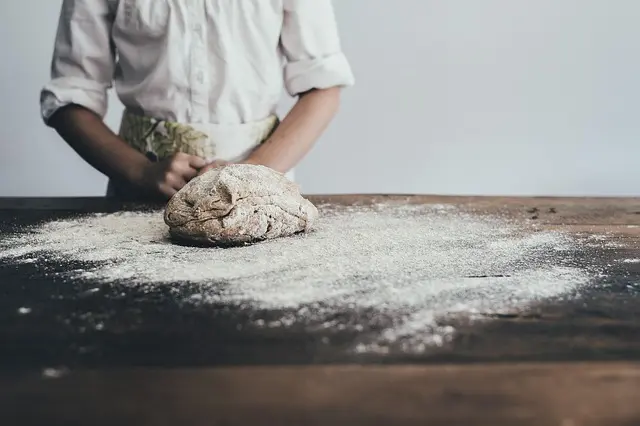
- Techniques: Skills like kneading dough, folding pastry, and incorporating ingredients properly are fundamental to baking success.
- Patience: Good baking requires time. Allow dough to rise appropriately for best texture and flavor.
Being mindful of these baking techniques ensures that you create perfect pastries, cakes, and bread, which can enhance your culinary repertoire significantly.
Step 5: Food Presentation Techniques
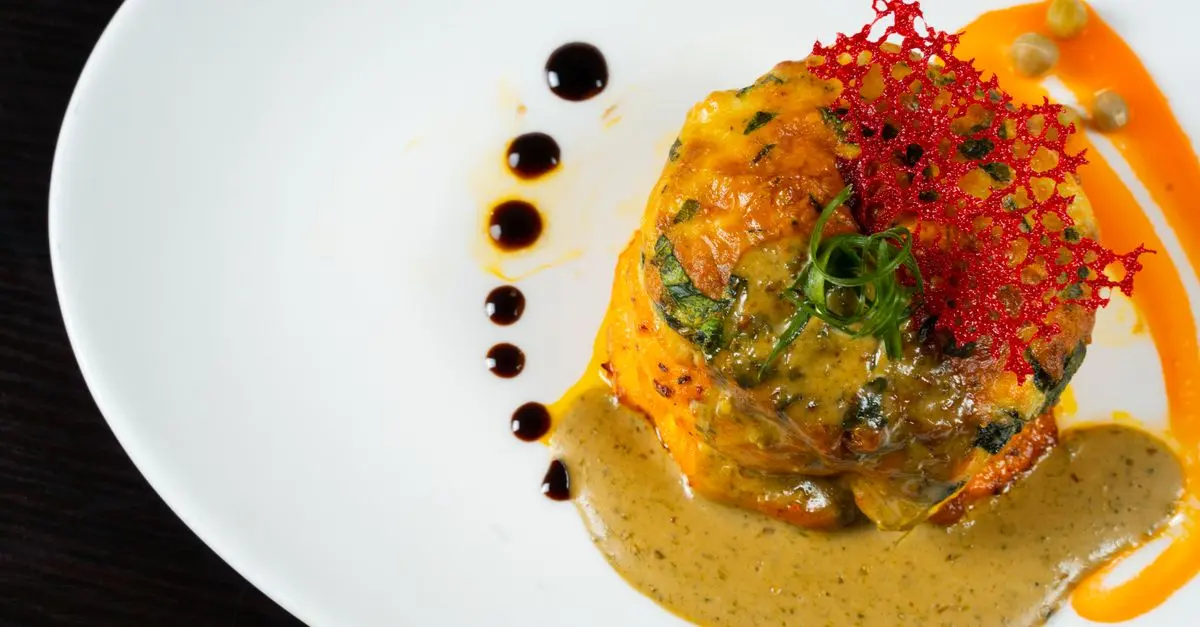
In today’s culinary world, food presentation has become as important as the taste itself. An aesthetically pleasing dish can elevate a dining experience significantly.
- Plating Basics: Use clean plates and proper portioning techniques to make your dish look inviting. Avoid overcrowding the plate.
- Garnishing: Simple garnishes like herbs or drizzles of sauce can add a final touch of elegance. Choose colors that complement the dish.
- Cutting Techniques: Invest time in working on various cutting styles to enhance the visual appeal of your dish.
- Height: Create height on the plate by layering elements, which elevates the visual presentation.
Rethink your food presentation and indulge in creativity. Remember, the first bite is with the eyes, so make it count!
✅ Checklist for Culinary Mastery
- [ ] Practice knife skills daily.
- [ ] Experiment with various cooking methods.
- [ ] Taste and balance flavor profiles.
- [ ] Commit to mastering baking techniques.
- [ ] Implement food presentation practices.
Glossary
| Terme | Définition |
|---|---|
| Sautéing | Cooking food quickly in a small amount of hot fat. |
| Braising | A cooking method that involves both moist and dry heat. |
| Umami | A savory taste, considered one of the five basic tastes. |
{