Table of Contents (10 sections)
Cooking is a blend of art and science, and mastering the culinary techniques is the foundation for any aspiring chef. Understanding the various methods not only elevates your dishes but also enhances your confidence in the kitchen. In this guide, we will explore essential techniques that every chef should master, providing you with a step-by-step roadmap to culinary success.
1. Understanding Fundamental Culinary Techniques
Before diving into specific techniques, it’s crucial to understand what culinary techniques are. Culinary techniques encompass methods for preparing and cooking food, designed to enhance flavors, texture, and presentation. From basic knife skills to advanced cooking methods, mastering culinary techniques forms the backbone of cooking.
Why Mastering Techniques Matters: A solid grasp of culinary techniques allows chefs to:
- Enhance Flavor: Different techniques can extract or modify flavors, creating a depth that can elevate any dish.
- Control Texture: Techniques like sautéing, poaching, and grilling create unique textures that can make or break a dish.
- Ensure Consistency: Mastery leads to uniformity in presentation and taste, crucial for any professional kitchen.
2. Essential Knife Skills
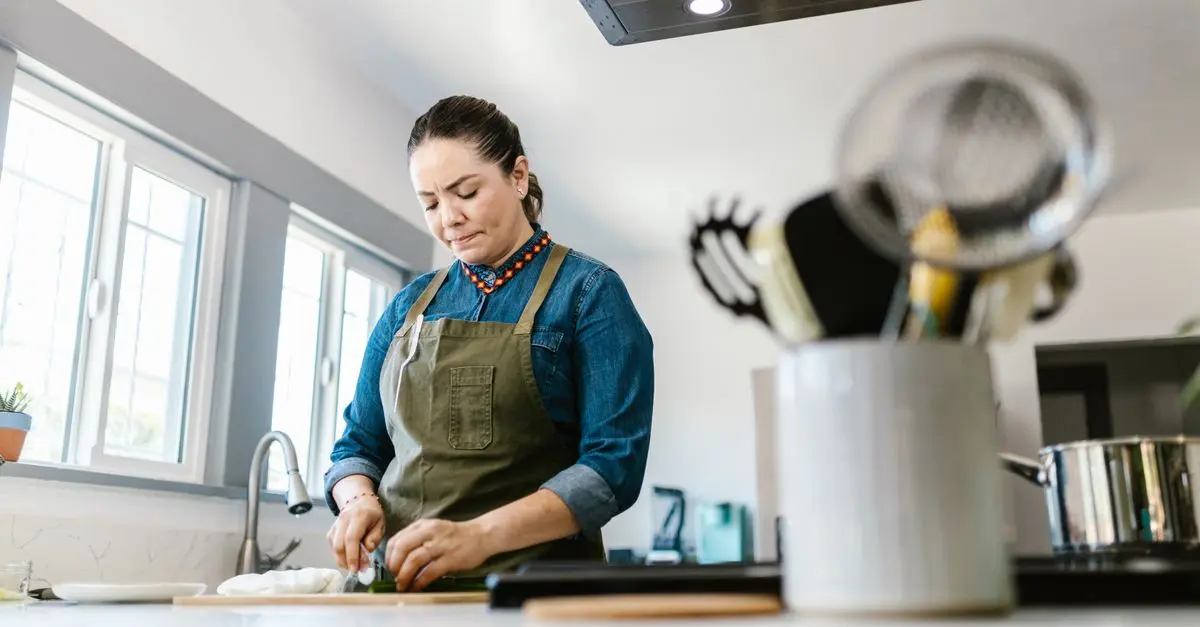
Knife skills are the cornerstone of all culinary techniques. Starting with proper knife handling will set you apart in your culinary journey.
Key Techniques to Master:
- Chopping: Develop your ability to chop vegetables uniformly. This requires practice in hand positioning and knife movement.
- Mincing: This technique allows for the creation of a finer texture in ingredients. For example, mincing garlic releases its oils, infusing more flavor into dishes.
- Julienne and Brunoise Cuts: These fancy techniques are great for presentation and garnish. Make sure to practice these on various vegetables to gain confidence.
Tips for Improving Knife Skills:
- Invest in a quality chef’s knife and a honing steel for maintenance.
- Practice daily on different ingredients to build muscle memory and speed.
- Watch tutorials or join a class to learn from professionals.
3. Cooking Methods Explained
Different cooking methods can significantly affect the outcome of your dish. Here’s a brief overview of various techniques every chef should be familiar with:
- Sautéing vs. Stir-Frying: While both involve cooking food quickly in a small amount of fat, stir-frying typically utilizes high heat and constant stirring, resulting in a distinct texture.
- Braising and Stewing: These are moisture-enriched techniques where food is cooked slowly; braising is usually done with larger cuts of meat, while stewing involves smaller pieces immersed in liquid.
- Roasting vs. Baking: Both methods involve dry heat, but roasting is generally associated with meats and vegetables, while baking applies mainly to breads and pastries.
Visual Comparison Table
| Cooking Method | Ideal For | Equipment Needed | Key Note |
|---|---|---|---|
| Sautéing | Vegetables, meats | Skillet or wok | Quick cooking over medium heat |
| Braising | Tough cuts of meat | Dutch oven | Slow cooking with liquid |
| Roasting | Vegetables, meat | Oven | Dry heat, caramelization |
| Baking | Breads, pastries | Oven | Controlled heat for rising |
4. Flavor Development
Understanding how to enhance flavors is pivotal in culinary arts. Here are strategies to develop a robust flavor profile in your dishes:
- Building Layers of Flavor: Start with aromatics like onions, garlic, and spices. Sauté them until fragrant, then add your main ingredients.
- Balancing Tastes: Master the balance of sweet, salty, sour, and bitter in your dishes. For example, a splash of vinegar can brighten a rich sauce.
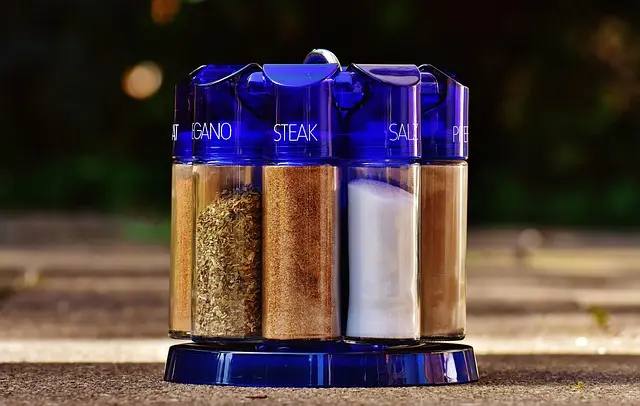
- Using Seasoning: The right blend of herbs and spices can elevate even the simplest dishes. Fresh herbs should be added towards the end to maintain their vibrancy, while dried herbs can be added earlier.
5. Plating Techniques
Even the tastiest dish needs to be presented beautifully. Plating is an art that can significantly impact perception:
- Negative Space: Leave some empty space on the plate to let the food stand out. Overcrowding can make a dish look chaotic.
- Layering: Create height and dimensions by stacking ingredients; this adds visual appeal.
- Color Contrast: Utilize a variety of colors to create an appealing presentation. Bright greens and rich reds against a simple white dish can be striking.
Tips for Plating:
- Always use clean plates for a professional finish.
- Experiment with different plate shapes and sizes to find what best suits your dish.
- Remember the importance of cleanliness; a messy plate can overwhelm even top-notch food.
6. Common Mistakes to Avoid
Throughout your culinary journey, here are some common pitfalls:
- Not Tasting Often: Failing to taste as you go can lead to unbalanced flavors.
- Ignoring Food Safety: Always prioritize food safety and hygiene to avoid contamination and illness.
- Inconsistent Sizing: Especially with ingredients meant to cook together; cut them uniformly to ensure even cooking.
7. Checklist for Aspiring Chefs
- [ ] Master basic knife skills
- [ ] Practise key cooking techniques
- [ ] Experiment with flavor development
- [ ] Learn plating techniques
- [ ] Always taste and adjust
📺 For further exploration:
Watch this comprehensive video: Culinary Techniques for Beginners, a visual guide covering essential skills. Search on YouTube: culinary techniques master class.
Glossaire
| Terme | Définition |
|---|---|
| Sautéing | Technique de cuisson à feu vif avec peu de graisse. |
| Braising | Méthode de cuisson lente dans un liquide. |
| Plating | Art de disposer la nourriture sur une assiette pour présentation. |
---
📺 Pour aller plus loin : culinary techniques master class sur YouTube