Table of Contents (10 sections)
Becoming a proficient chef requires mastering a unique set of skills that form the foundation of any culinary career. In this guide, we will explore the essential techniques every aspiring chef should learn to carve out a successful path in the culinary world. From fundamental knife skills to mastering various cooking methods, each technique is crucial for delivering high-quality dishes.
1. Knife Skills
Knife skills are foundational for any chef. Effective knife handling can influence the speed, safety, and quality of food preparation. Comfortable and efficient knife techniques include the basic grip, various cutting methods (like dicing, mincing, and julienne), and understanding the different types of knives and their purposes. For example, a chef’s knife is versatile for chopping and slicing, while a paring knife is ideal for peeling and intricate tasks.
To develop these skills:
- Practice holds: Ensure you are confident with how you grip your knife and use a cutting board.
- Learn cuts: Start with basic cuts, then progress to more complex techniques.
- Engage in drills: Regular drills improve precision and speed.
Common Pitfalls: Avoid using the wrong knife for specific tasks, which can lead to injury and inefficient work.
💡 Expert Tip: Engage in knife skill classes or watch tutorials for visual guidance to enhance your learning experience.
2. Cooking Methods
Understanding various cooking methods is essential for any chef. Techniques such as roasting, grilling, sautéing, and boiling each bring out different flavors and textures in ingredients. For instance, roasting is perfect for vegetables to enhance their natural sweetness, while grilling adds a smoky flavor and char.
To master cooking methods:
- Start simple: Begin with one method at a time and explore its nuances.
- Experiment with flavors: Pair different herbs and spices to discover unique tastes.
- Seek feedback: Share your dishes with peers to get constructive criticism.
Common Pitfalls: Failing to adjust cooking times based on the thickness of food can result in undercooked or overcooked dishes.
3. Sauces and Seasoning
Building the skill to create sauces and master seasoning can elevate your dishes from mundane to extraordinary. The art of sauce-making is about balancing flavors. For instance, a classic béchamel sauce can be a base for several recipes, while a well-seasoned dish enhances the overall Dining experience.
To grow in this area:
- Learn base sauces: Understand the five mother sauces in classical cooking—Béchamel, Espagnole, Velouté, Hollandaise, and tomato.
- Practice seasoning: Regularly taste your food as you're cooking, adjusting spices and herbs until balanced.
Common Pitfalls: Over-seasoning or under-seasoning can drastically change the outcome of your dish.
4. Plating Techniques
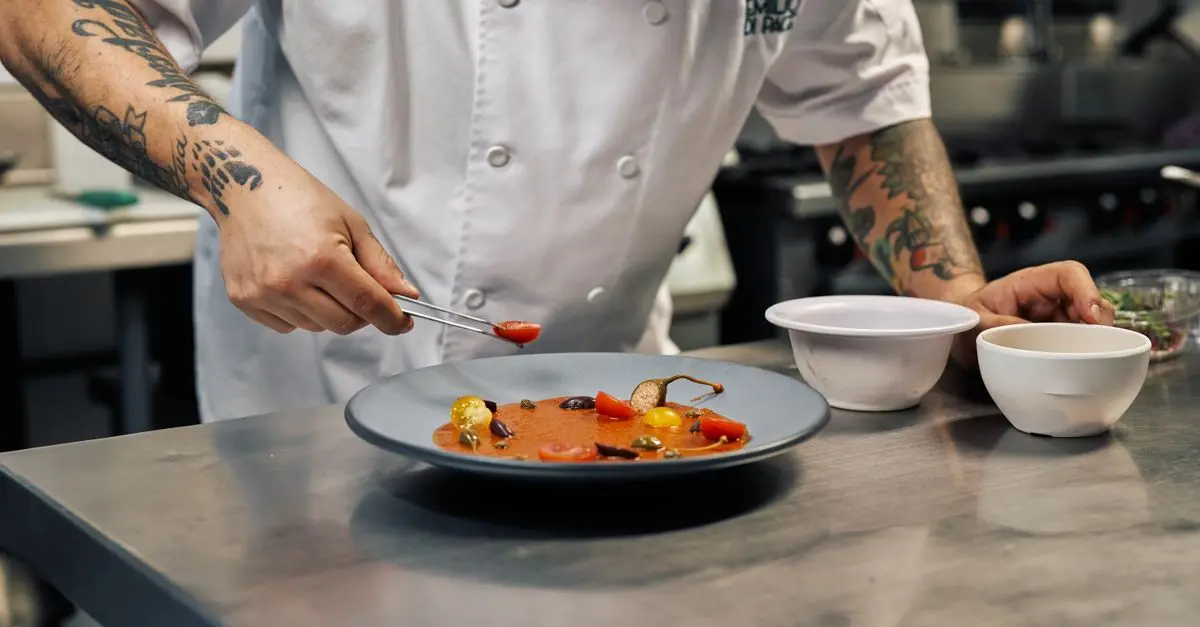
Plating is an art form and crucial in creating visually appealing dishes. The way a dish is presented influences a diner’s perception of taste. Techniques involve the use of height, color contrast, and strategic placement of food on the plate. For example, a tower of ingredients or using sauces as a base can add sophistication.
To improve plating:
- Utilize tools: Invest in a few plating tools like squeeze bottles or spoons for sauces.
- Experiment: Try different styles of plating—traditional, minimalistic, or avant-garde to find your signature style.
- Watch experts: Follow culinary artists on social media for inspiration.
Common Pitfalls: Overloading plates or cluttering can detract from the dining experience.
5. Time Management
In the fast-paced kitchen environment, time management is key. Being able to coordinate multiple tasks while ensuring quality is crucial. Chefs must learn to prioritize tasks based on preparation and cooking times while keeping an eye on presentation and taste.
To master time management:
- Create a mise en place: Organizing your workspace and prepping ingredients ahead of time is vital to move efficiently.
- Use timers: Set timers for different tasks to stay on track.
- Plan menus: Preview the menu for the day to gauge the flow of preparations and streamline orders.
Common Pitfalls: Underestimating preparation times can lead to last-minute chaos and subpar service.
💡 Expert Tip: Use checklists for daily tasks to manage them more effectively throughout busy services.
📺 For further learning:
> Ressource vidéo : Mastering Culinary Techniques, an extensive look into foundational skills every chef should learn. Search on YouTube: "essential techniques for chefs".
Comparison Table of Techniques
| Technique | Key Aspect | Useful Tool | Common Mistake |
|---|---|---|---|
| Knife Skills | Essential for prep | Chef's knife, cutting board | Poor cutting technique |
| Cooking Methods | Flavor variation | Oven, stove | Incorrect temperatures |
| Sauces | Flavor enhancement | Saucepot, whisk | Over/under seasoning |
| Plating | Visual appeal | Plating tools | Cluttered presentation |
| Time Management | Efficiency in kitchen | Timers, checklists | Poor task prioritization |
Glossary
| Term | Definition |
|---|---|
| Mise en Place | French term for 'everything in its place', meaning all ingredients are prepared and ready to use. |
| Mother Sauces | The five basic sauces in classical French cuisine from which many sauces are derived. |
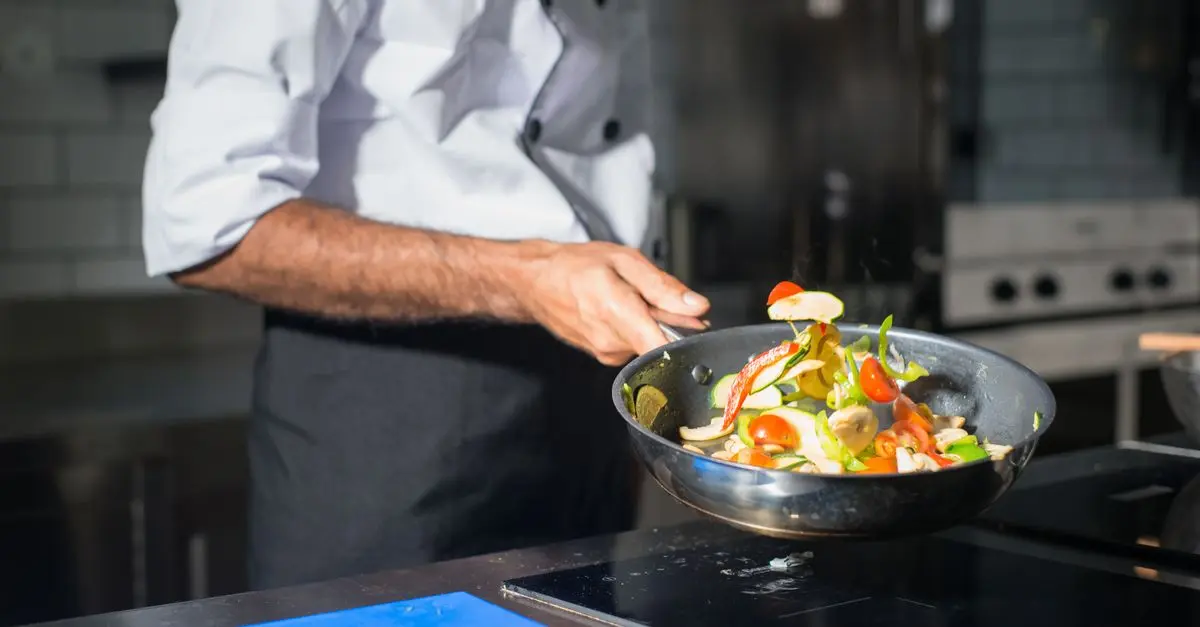
| Sautéing | A cooking method using a small amount of fat in a shallow pan over relatively high heat. |
Checklist before cooking
- [ ] Prepare a chef's knife and cutting board.
- [ ] Organize all ingredients to ensure a smooth flow.
- [ ] Check the temperature settings for equipment.
- [ ] Taste and adjust seasoning as necessary.
- [ ] Set timers to stay on track with cooking times.
🧠 Quick Quiz: Which method retains the most moisture in food?
- A) Boiling
- B) Grilling
- C) Sautéing
Answer: C — Sautéing uses less heat which helps to retain moisture.
Mastering these essential techniques will not only make you a better chef but will also enhance your dining experiences, ensuring dishes are executed with precision and care. Elevate your culinary game today!
📺 Pour aller plus loin : essential techniques for chefs sur YouTube