Table of Contents (25 sections)
Becoming a chef is not just a profession; it's a passion that requires knowledge, skills, and creativity. For new chefs, mastering essential culinary techniques is crucial to developing a foundational understanding of cooking. This guide will walk you through the essential techniques you need to become proficient in the kitchen, offering practical tips and common pitfalls to avoid. Whether you're starting your culinary journey or looking to refine your skills, this comprehensive guide will set you on the right path.
1. Knife Skills
Understanding the Importance of Knife Skills
Effective knife skills are foundational to cooking and are often the first thing new chefs should focus on. The ability to chop, dice, and slice quickly and accurately not only improves the quality of your food but also enhances your efficiency in the kitchen. Learning proper grip and technique can prevent accidents and improve your overall control.
Techniques to Master
- The Claw Grip: Always keep your fingertips tucked under to avoid cutting yourself while holding ingredients.
- Chopping Techniques: Start with basic cuts like julienne, dice, and brunoise. With practice, you can achieve precision in your cuts.
- Sharpening Your Knives: Maintaining sharp knives is essential for safe and effective cutting. Regularly use a honing steel and invest in a whetstone for a more thorough sharpening.
Common Mistakes
New chefs often overuse their knives without caring for them properly, leading to dull edges that require excessive pressure to cut. Always remember that a sharp knife is a safe knife. Regularly sharpen your knives and understand the right tool for each task.
2. Cooking Methods
A Variety of Cooking Techniques
Understanding various cooking methods—such as sautéing, boiling, roasting, and braising—is vital. Each method lends itself to different flavors and textures.
Key Cooking Techniques
- Sautéing: This technique involves cooking food quickly in a small amount of oil or fat over high heat. Perfect for vegetables and meats that require quick cooking.
- Braising: A combination of cooking methods, braising involves searing meat and then cooking it slowly in liquid. This method creates tender and flavorful dishes.
- Poaching: A gentle cooking method that immerses food in water or broth at low temperatures, ideal for delicate items like fish or eggs.
Frequently Overlooked Aspects
New cooks often rush their cooking methods. Allow sufficient time for each technique, especially for methods like braising, which require patience to build flavors. Measuring your ingredients can also affect the outcome significantly.
3. Flavor Development
The Art of Seasoning
Developing flavors is as much an art as it is a science. Learning how to season food correctly can elevate your dishes from ordinary to extraordinary.
Key Points on Flavor
- Salt: Use salt at different stages of cooking to enhance flavors. A pinch at the right moment can transform a dish.
- Acids: Adding a splash of vinegar or a squeeze of lemon can brighten flavors and balance richness.
- Herbs and Spices: Fresh herbs should be added towards the end of cooking to maintain their flavor, while dried spices benefit from longer cook times to release their essential oils.
Common Flavor Mistakes
One of the most common pitfalls for new chefs is under-seasoning food. Always taste your dishes as you cook to adjust flavors accordingly. Use a systematic approach, adding small amounts gradually and tasting frequently.
4. Food Safety
Understanding Food Safety Basics
Food safety is paramount in any culinary setting. New chefs must be aware of proper food handling, kitchen hygiene, and safe cooking temperatures to prevent foodborne illnesses.
Safety Practices to Implement
- Proper Storage: Store foods at the appropriate temperatures (below 40°F or above 140°F) to minimize bacteria growth.
- Cross-Contamination: Use separate cutting boards for meats and vegetables to prevent cross-contamination and always wash your hands.
- Cooking Temperatures: Familiarize yourself with safe internal cooking temperatures for various foods (e.g., poultry should be cooked to at least 165°F).
Overlooked Aspects
Many new chefs underestimate the importance of cleanliness. Regularly sanitizing surfaces, equipment, and utensils is crucial for maintaining a safe cooking environment.
5. Presentation Techniques
The Importance of Plate Presentation
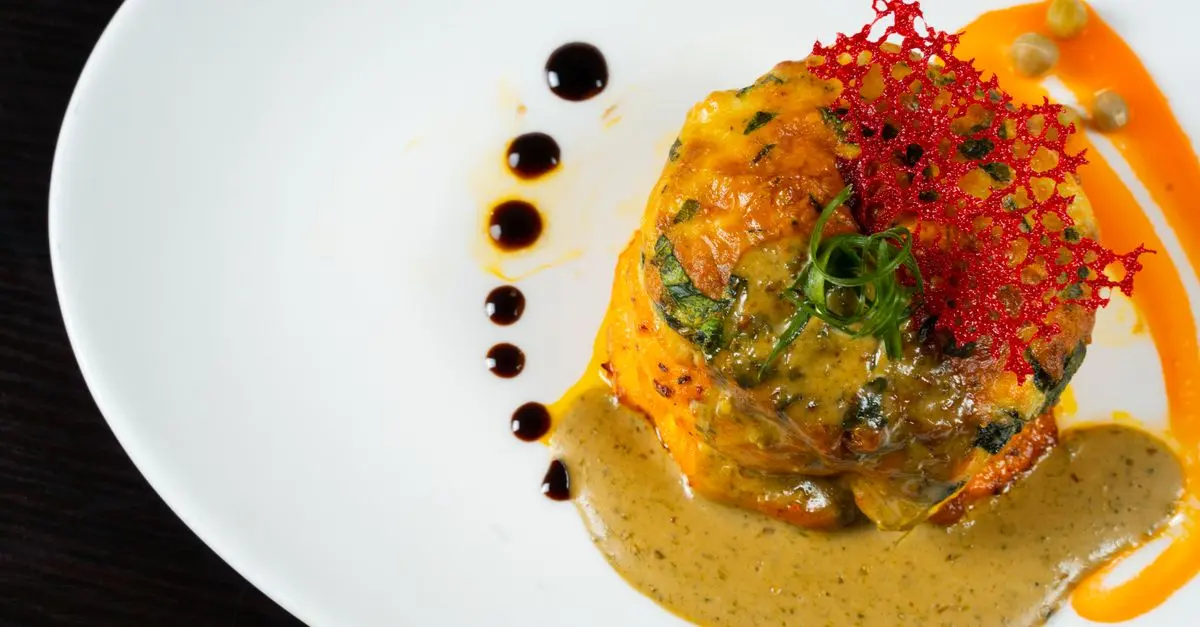
The way food looks on a plate can greatly enhance the dining experience. Learning presentation techniques can make your dishes stand out.
Techniques for Beautiful Plate Presentation
- Plating Arrangements: Experiment with different plating styles, including stacking, layering, and fanning.
- Garnishing: Use herbs, edible flowers, or sauces for garnishing to enhance visual appeal without overwhelming the dish’s flavor.
- Color Contrast: Utilize contrasting colors to make the dish visually appealing; for instance, pairing green herbs with vibrant red tomatoes can brighten a plate.
Common Mistakes
A frequent mistake is overcrowding the plate, which can make the dish appear messy. Aim for balance and negative space to draw attention to the main elements.
Checklist before Cooking
- [ ] Ensure all ingredients are prepared in advance.
- [ ] Sharpen your knives before every session.
- [ ] Measure spices on a scale for accuracy.
- [ ] Check all your tools and equipment are clean.
- [ ] Plan your plating before cooking to visualize the end result.
Glossary
| Terme | Définition |
|---|---|
| Mise en Place | French culinary term meaning "everything in its place," crucial for organized cooking. |
| Searing | Cooking meat at a high temperature to create a browned crust, enhancing flavor. |
| Braising | A cooking method that combines both dry and moist heat to develop rich flavors. |
> 💡 Expert Opinion: A seasoned chef with over 20 years of experience emphasizes that mastering these basic techniques not only improves quality but also boosts a chef's confidence.
📺 Resource Video
> 📺 To take your culinary skills further: Watch "Master Cooking Techniques for Beginners", a comprehensive guide showcasing essential skills. Search on YouTube: "culinary techniques for new chefs 2026".
Conclusion
In conclusion, mastering culinary techniques for new chefs is a continuous journey that combines practical skills and creative expression. By focusing on knife skills, various cooking methods, flavor development, food safety, and presentation, you will build a solid foundation for your culinary career. With time and practice, you will be able to create amazing dishes that not only taste great but are presented beautifully as well. Happy cooking!
📺 Pour aller plus loin : culinary techniques for new chefs 2026 sur YouTube
Recommended products
Selected by our experts
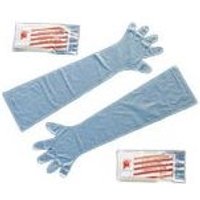
Gants zootechniques El.Cm85 50Pcs
DocMorris FR (ex DoctiPharma FR)
These gloves are perfect for handling food safely, ensuring hygiene in the kitchen.
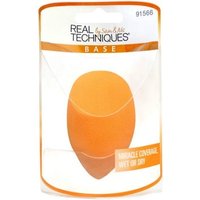
Eponge d'application Real Techniques 1pc
DocMorris FR (ex DoctiPharma FR)
This application sponge is ideal for ensuring a smooth finish, perfect for dessert presentations.
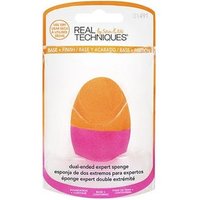
Real Techniques Double Finish Sponge 1pc
DocMorris FR (ex DoctiPharma FR)
A double-finish sponge can help new chefs practice their plating and presentation skills effectively.