Table of Contents (10 sections)
Developing your culinary style is essential for any aspiring chef. This process allows you to express your tastes and preferences through your dishes, fostering a culinary identity that resonates with others. Culinary style reflects not just the flavors you choose but also your techniques, presentation, and the cultural influences you embrace.
In today’s dynamic food landscape, a unique culinary style can be a significant advantage. Not only does it help you stand out in the competitive food industry, but it also creates a more engaging experience for your diners. This article will guide you through the essential steps to cultivate your personal culinary style, from understanding your influences to refining your signature techniques.
Step 1: Explore Your Culinary Influences
The first step in developing your personal culinary style is to identify your influences. What cuisines do you gravitate toward? Are there specific flavors or ingredients that resonate with your palate? Understanding your culinary influences will help you create a foundation for your style.
Start by exploring various regional and global cuisines. Try dishes that excite you and observe the techniques used by renowned chefs in those traditions. For instance, if you enjoy the spices of Indian cuisine, experiment with different curry recipes. Alternatively, if Italian food speaks to you, delve into pasta-making or classic sauces. This exploration not only enhances your skills but also helps you connect with your culinary roots.
As you explore, document your experiences. Keep a journal or digital notes of your favorite dishes, cooking techniques, and flavor profiles. This documentation will serve as a creative resource that you can refer back to as you develop your style.
Step 2: Embrace Experimentation
Once you have a clearer understanding of your influences, it’s time to experiment in the kitchen. This phase is critical for defining your culinary style. Try combining elements from different cuisines, incorporating unique ingredients, or applying various cooking techniques to create new dishes.
For example, you might take the concept of a traditional Italian risotto but prepare it with Asian-inspired flavors using ingredients like lemongrass and ginger. This not only showcases your creativity but also reflects your personal tastes.
During experimentation, do not shy away from failures. Many successful chefs attribute their growth to learning from mistakes. It's essential to constantly refine your dishes based on feedback from friends, family, or even diners if you’re working in a restaurant. Collect input on what works and what doesn't, and adjust your recipes accordingly to hone your culinary style.

ZLINE - Autograph 36" Paramount Gas Range with 6 Burners and Bronze Accents (SGRZ-BLM-36-CB) - Black
bestbuy.com

Streamline - 36 inches - Externally Vented - Range Hood Insert - Brushed Stainless Steel
bestbuy.com

Step 3: Focus on Technique Mastery
Having a unique style means mastering the techniques that allow you to create your dishes consistently. Focus on honing essential culinary skills and advanced techniques relevant to your style. Techniques may include knife skills, cooking methods like sautéing or braising, or specific presentations.
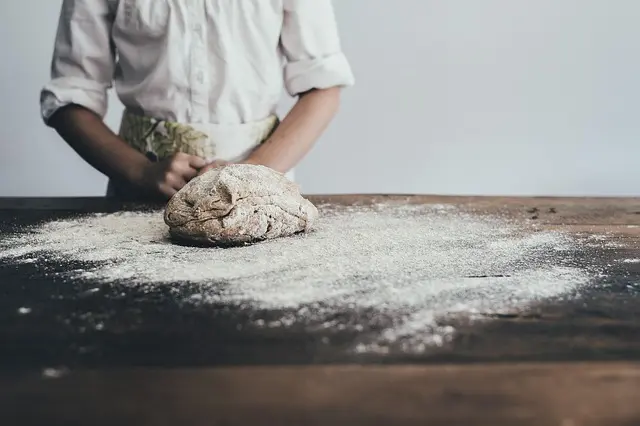
Consider taking cooking classes or workshops to learn more about particular skills that pique your interest. For instance, if baking is part of your style, attend a pastry class to understand the science and art behind it. According to a 2026 study by the Culinary Institute of America, chefs who invest time in skill mastery significantly improve the quality of their dishes and develop confidence in their cooking abilities.
To ensure you’re continuously growing, set goals for your culinary education. Whether it’s mastering a new dish each week or learning a new cooking method, having tangible goals can keep you motivated as you develop your style.
Step 4: Find Your Signature Ingredients
Identifying signature ingredients is essential to personalizing your culinary style. These are the ingredients that define your flavor profile, set the tone for your dishes, and make them uniquely yours.
Experiment with different herbs, spices, and locally sourced products. For instance, if you love earthy flavors, you might incorporate truffles or wild mushrooms as staples in your cooking. Consider what ingredients complement your style and provide depth to your dishes. Such considerations are not just about taste; they also reflect your philosophy toward sustainability and sourcing.
As your palate evolves, be open to re-evaluating your signature ingredients. Building relationships with local farmers or suppliers can also enrich your access to high-quality produce, further enhancing your culinary creations.
Step 5: Develop a Unique Presentation Style
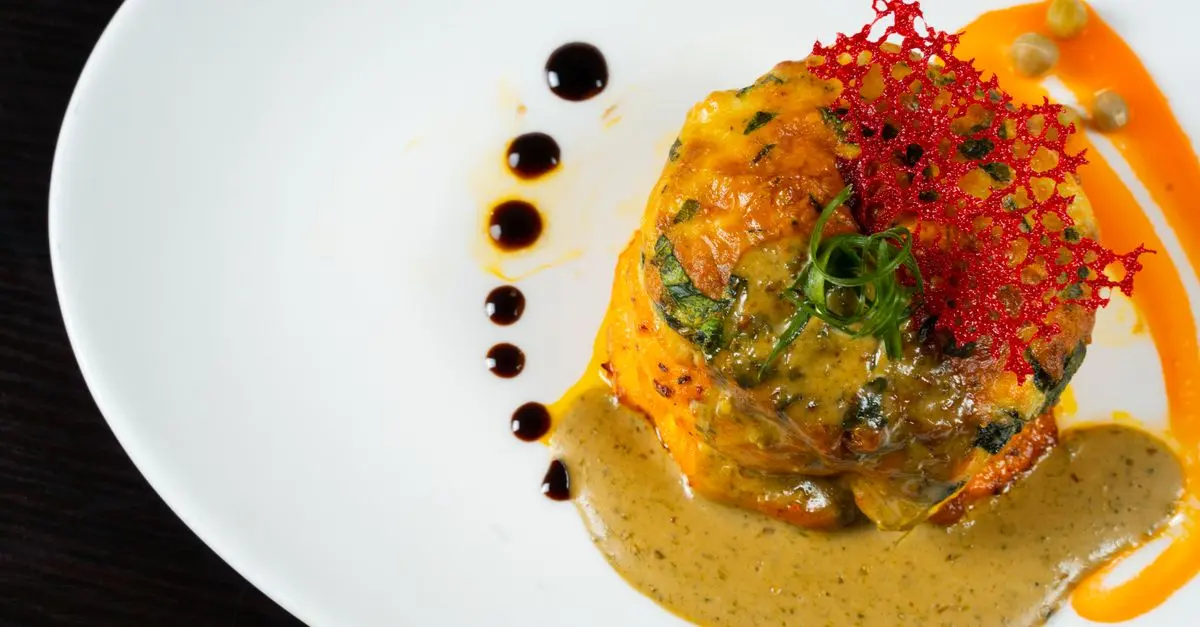
The visual appeal of your dishes is as important as their flavor. Developing a unique presentation style can enhance your culinary identity and attract diners. This aspect of your culinary style includes plating techniques, garnishes, and even the serving ware you choose.
Research various plating styles, whether minimalistic, rustic, or colorful. As you practice, consider how to integrate elements of your personal aesthetic into your presentations. For example, if earthy colors represent your style, consider using ceramic dishes or adding fresh herbs for garnish.
Creating a signature presentation style helps diners recognize your work instantly, reinforcing your brand as a chef. It offers an additional layer to the culinary experience you provide, leading to greater connection with your audience.
Conclusion
Now that you have the tools to develop your personal culinary style, it’s time to put them into practice. Remember that cultivating your style is a journey that involves continual learning, experimenting, and adapting. Share your culinary creations with others, embrace feedback, and refine your dishes to develop a unique voice in the culinary world.
By focusing on your influences, mastering techniques, and personalizing flavors and presentations, you'll shape a distinctive culinary style that truly reflects who you are as a chef. Happy cooking!
Checklist before developing your culinary style
- [ ] Explore various cuisines and cooking techniques
- [ ] Document favorite dishes and flavors in a journal
- [ ] Experiment with combining flavors and cuisines
- [ ] Master essential culinary techniques
- [ ] Identify signature ingredients that represent your style
- [ ] Develop a unique presentation style for your dishes
Glossary
| Term | Definition |
|---|---|
| Culinary Style | The unique combination of flavors, techniques, and presentations a chef uses to create dishes. |
| Signature Ingredient | A specific ingredient or flavor profile that defines a chef's cooking style. |
| Plating | The art of arranging food on a plate for presentation, emphasizing aesthetics and appeal. |
> 🧠 Quick Quiz: What defines a chef's culinary style?
> - A) Their cooking techniques
> - B) Their choice of cuisines
> - C) A combination of influences, techniques, and signature ingredients
> Answer: C — Culinary style is shaped by various factors, including influences and personal choices.
📺 For further insight: Discover the techniques behind unique culinary styles. Search on YouTube: how to develop your cooking style 2026.
📺 Pour aller plus loin : how to develop your cooking style 2026 sur YouTube
Recommended products
Selected by our experts
ZLINE - Autograph 36" Paramount Gas Range with 6 Burners and Bronze Accents (SGRZ-BLM-36-CB) - Black
bestbuy.com
A high-quality gas range is essential for developing your culinary skills and experimenting with techniques.
Streamline - 36 inches - Externally Vented - Range Hood Insert - Brushed Stainless Steel
bestbuy.com
A reliable range hood helps maintain a clean kitchen environment, allowing you to focus on perfecting your culinary creations.
Culinary Modular : Wok acier avec revetement anti-adhérent diam 30 cm
Darty FR
A well-designed wok is perfect for experimenting with stir-frying techniques, expanding your culinary repertoire.