Table of Contents (13 sections)
As the culinary world continues to evolve, aspiring chefs must master a set of essential culinary techniques that form the foundation of cooking. Whether you are a novice looking to enhance your skills or a seasoned cook aiming to refine your art, understanding these techniques will help you elevate your dishes. This article explores the top culinary techniques every aspiring chef should master, ensuring that your journey to become the chef you aspire to be is well-informed and successful.
1. Knife Skills: Precision in Every Slice
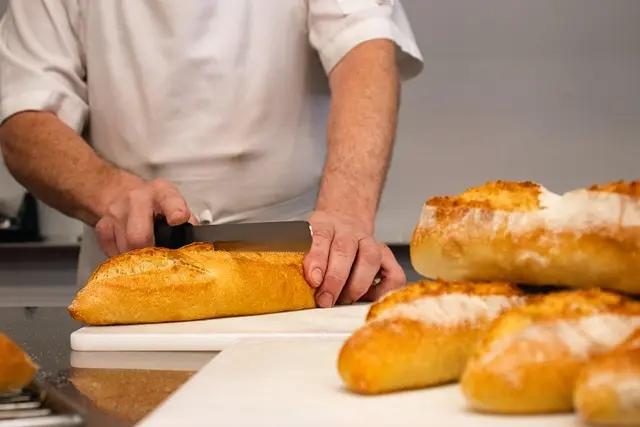
Having excellent knife skills is fundamental in the kitchen. The ability to chop, dice, and julienne ingredients quickly and accurately can drastically improve your cooking efficiency. Begin by practicing different cutting techniques such as the claw grip—a method where your fingers curl like a claw to protect them while you cut. According to culinary experts, mastering basic cuts can speed up meal prep by up to 30%. Make sure to keep your knives sharpened; a sharp knife is safer and more effective than a dull one.
2. Master the Art of Sautéing
Sautéing is a quick cooking method that involves cooking food in a small amount of oil at a high temperature. This technique not only enhances the flavor but also helps retain the nutrients in the food. Start by heating your pan until it’s hot, then add the oil and let it heat up. When the oil ripples, it's time to add your ingredients. This method works best with vegetables and proteins, and learning to sauté can give you the confidence to experiment with varying flavors and textures.
3. Baking: The Science of Cooking
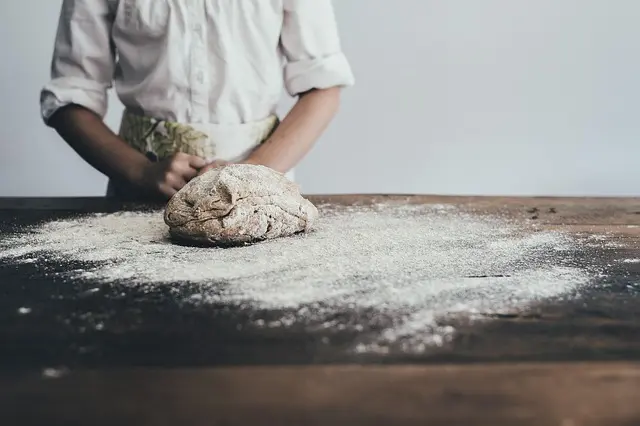
While cooking is an art, baking is often considered a science. Baking requires precise measurements and adherence to temperatures to yield successful results. For aspiring chefs, understanding the function of each ingredient is crucial—flour provides structure, sugar adds sweetness and browning, and fats contribute to moisture. Ideal baking conditions can vary; for example, knowing when to bake at different elevations or humidity levels can make a significant difference in the outcome of your baked goods.
4. Poaching: Gentle Cooking for Delicate Foods
Poaching is a moist-heat cooking method that involves cooking food slowly in gently simmering liquid. It's particularly effective for eggs, fish, and fruits. This technique helps preserve the natural flavors and textures of the ingredients. To poach effectively, maintain a temperature where the liquid is just below boiling—typically around 160°F to 180°F. Experts recommend adding aromatics to the poaching liquid, such as herbs or spices, to enhance the flavor of the dish.
5. Emulsification: Creating Creamy Dressings and Sauces
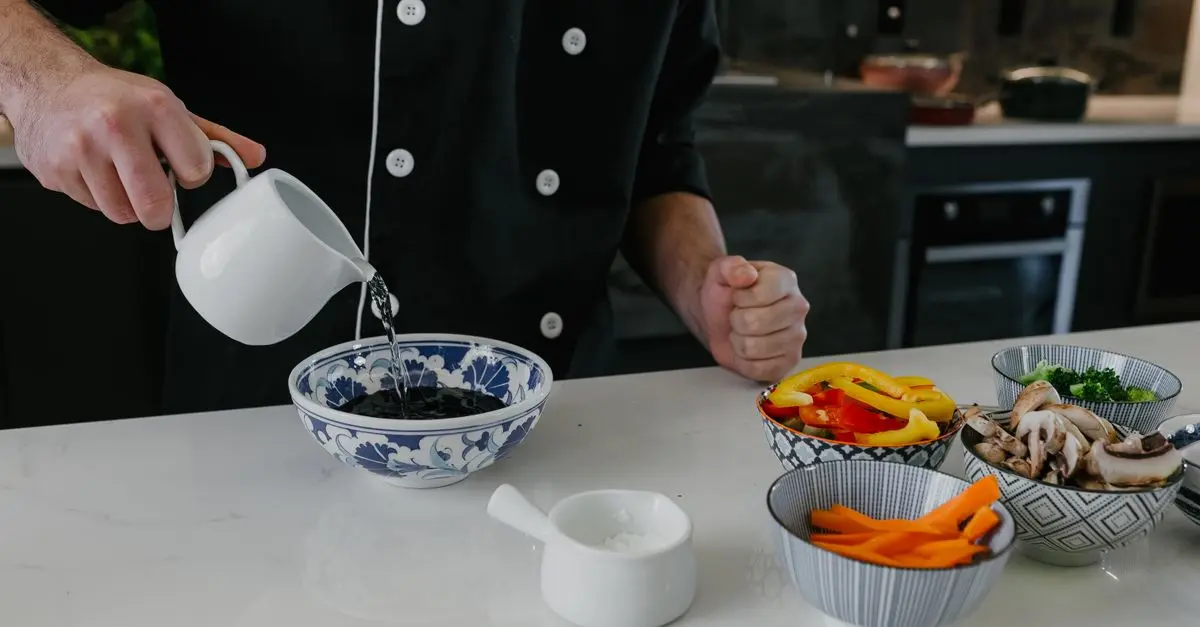
Understanding emulsification is key to creating stable mixtures of ingredients that don’t naturally combine, such as oil and vinegar. This technique is commonly used in dressings, mayonnaise, and sauces like hollandaise. To emulsify, whisk the ingredients together slowly—begin with a small amount of liquid, gradually adding more while whisking continuously. A successful emulsion can transform simple ingredients into a delectable sauce.
6. Braising: The Low and Slow Method
Braising combines both dry and moist cooking techniques. It involves browning the food first and then cooking it slowly in a bit of liquid. This method is ideal for tough cuts of meat, as the slow cooking breaks down the connective tissues, resulting in tender, flavorful dishes. For example, braising beef in red wine for several hours can create a rich and delicious meal. It's a technique that adds depth of flavor and is perfect for hearty, winter dishes.
7. Sous Vide: Precision Cooking
Sous vide, which translates to "under vacuum" in French, is a modern cooking technique where food is vacuum-sealed in a bag and cooked in a water bath at a precise temperature. This method allows for unmatched control over the cooking process, ensuring food is cooked evenly and retains moisture. Beginners can invest in an immersion circulator to get started with sous vide cooking—initially, try cooking a steak for 1.5 to 2 hours at 130°F for perfectly medium-rare results.
8. Grilling: Mastering the Flame
Grilling is a beloved technique that imparts smoky flavors to food. To grill effectively, understanding the difference between direct and indirect grilling is essential. Direct grilling is best for quick-cooking foods like vegetables and seafood, while indirect grilling suits larger cuts of meat. A charcoal grill can create different heat zones for optimal cooking. Remember to preheat your grill and learn how to manage flare-ups for even cooking.
📺 For further learning: Essential Culinary Techniques for Aspiring Chefs, a detailed video covering these concepts in context. Search on YouTube: "culinary techniques for chefs 2026".
Conclusion
Mastering these culinary techniques can dramatically improve your cooking skills and confidence in the kitchen. Whether it’s through precise knife skills or understanding the science behind baking and emulsification, every aspiring chef must embrace these fundamentals. As you practice, don’t forget that creating great meals is not just about the techniques but also about your passion for food. Keep experimenting and honing your skills, and remember to enjoy the process!
Checklist before cooking
- [ ] Practice cutting vegetables using the claw grip
- [ ] Experiment with sautéing different proteins
- [ ] Measure ingredients accurately for baking
- [ ] Try poaching an egg for breakfast
- [ ] Create a homemade vinaigrette by emulsifying
- [ ] Braise a tough cut of meat for dinner
- [ ] Use a sous vide for cooking steak
- [ ] Grill different foods to master direct and indirect techniques
Glossary
| Term | Definition |
|---|---|
| Sautéing | Cooking food quickly in a small amount of fat over high heat. |
| Emulsification | Mixing two liquids that normally don’t mix, such as oil and vinegar. |
| Braising | A method of cooking that combines both dry and moist heat. |
---
📺 Pour aller plus loin : culinary techniques for chefs 2026 sur YouTube