Table of Contents (11 sections)
Culinary arts encompass a broad spectrum of skills, techniques, and disciplines that revolve around food preparation, cooking, and presentation. Whether you dream of being a chef in a bustling restaurant or simply wish to improve your home cooking, having a firm understanding of culinary arts is crucial. From the basic chopping methods to complex culinary techniques, mastering the arts of cooking can lead to a satisfying career or hobby.
What Are Culinary Arts?
The term culinary arts refers to the preparation, cooking, and presentation of food. This encompasses a variety of skills, including knife skills, cooking methods, flavor pairing, food safety, and an understanding of ingredients. The essence of culinary arts lies in creativity, technique, and knowledge, enabling chefs to craft dishes that not only taste good but also look appealing. According to the U.S. Bureau of Labor Statistics, jobs for chefs and head cooks are expected to grow by 11% from 2020 to 2030, indicating a steady demand for culinary professionals.
The culinary profession is not merely about cooking. It involves the ability to operate in a highly dynamic and demanding environment where creativity and precision must merge. Chefs are often tasked with managing kitchen staff, designing menus, and ensuring food quality, making culinary arts a multifaceted field.
Essential Skills in Culinary Arts
To excel in the culinary arts, aspiring chefs must cultivate both hard and soft skills. Here are key skills that every culinary artist should master:
- Knife Skills: Essential for food preparation, mastering knife skills can help speed up kitchen work. Proper techniques can enhance safety and efficiency while working with various ingredients.
- Cooking Techniques: Understanding different cooking methods such as sautéing, baking, grilling, and steaming is fundamental. Each technique yields distinct flavors and textures.
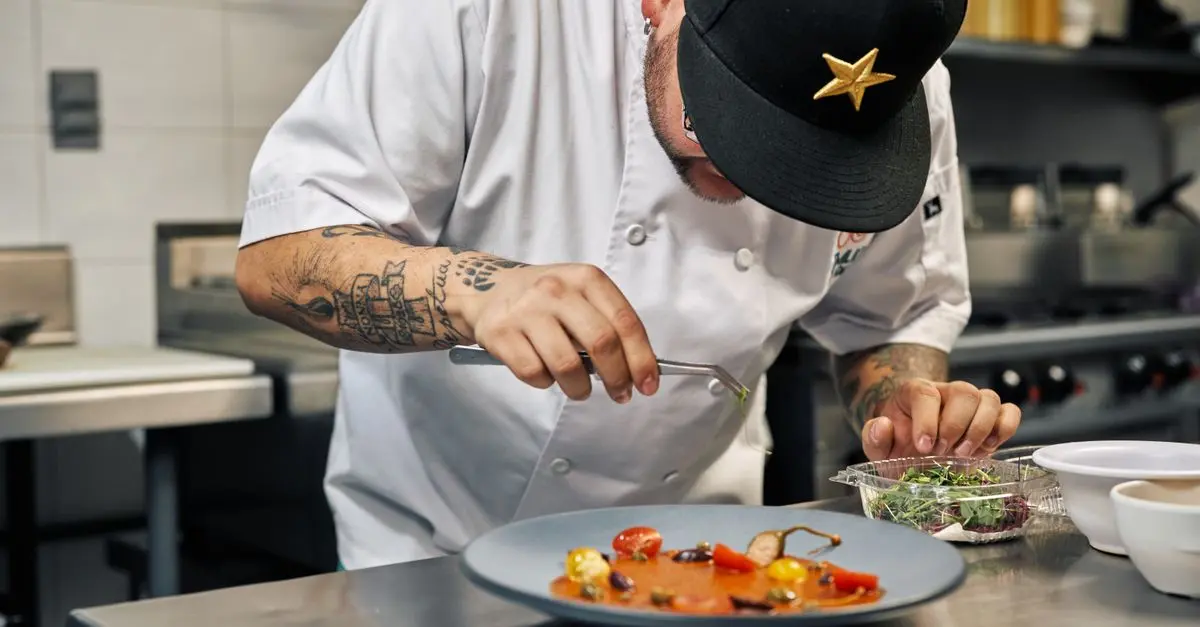
- Creativity and Presentation: Being able to create unique dishes and present them beautifully is crucial in attracting diners. Presentation enhances the dining experience and can significantly impact a restaurant's reputation.
- Time Management: Kitchens operate on tight schedules. Successful chefs learn how to juggle multiple tasks efficiently, ensuring that dishes are prepared promptly without compromising quality.
- Food Safety: Knowledge of food safety practices is paramount. Chefs must understand how to handle ingredients hygienically and know about cross-contamination and storage guidelines.
The Career Pathways in Culinary Arts
The culinary arts offer a vast array of career opportunities, which can vary significantly in terms of responsibilities and environments. Here's a look at some common career paths within this sector:
- Executive Chef: An executive chef manages the entire kitchen staff and oversees menu creation and food presentation. It requires extensive experience and creativity.
- Pastry Chef: Specializing in desserts, a pastry chef focuses on the art of baking and confectionery, creating pastries, cakes, and chocolates.
- Catering Manager: Catering managers organize and oversee food services for events, ensuring customer satisfaction and managing logistics.
- Food Stylist: This role involves the artistic presentation of food for photography, requiring a keen eye for detail and trimmings.
- Culinary Instructor: Experienced chefs often transition to teaching, imparting their knowledge and skills to aspiring culinary students.
Comparative Analysis of Culinary Schools
Gaining formal education can boost your culinary career significantly. Below is a comparative analysis of three popular culinary institutions:
| Culinary School | Accreditation | Program Duration | Average Tuition Cost |
|---|---|---|---|
| Culinary Institute of America | Yes | 2-4 years | $40,000 - $60,000 |
| Le Cordon Bleu | Yes | 9 months - 2 years | $30,000 - $50,000 |
| Johnson & Wales University | Yes | 4 years | $20,000 - $40,000 |
Emerging Trends in Culinary Arts
Recently, several trends have emerged within the culinary industry, shaping how chefs approach their craft:
- Sustainable Practices: There is an increasing focus on using locally sourced ingredients and reducing food waste. Many chefs are incorporating sustainability into their philosophies, promoting environmentally friendly practices in their kitchens.
- Plant-Based Cooking: As more people adopt vegan and vegetarian diets, plant-based cooking is becoming increasingly popular. Chefs are now experimenting with plant ingredients to create satisfying, innovative dishes.
- Global Cuisine: Exposure to international cuisines continues to inspire chefs. This trend encourages culinary artists to blend various ingredients and techniques to create fusion dishes.
💡 Expert Opinion: Culinary arts embrace creativity and science. Chefs combine flavors, textures, and presentation to offer a complete dining experience. Engaging in hands-on training and continual learning are essential to stay ahead in this dynamic industry.
FAQs About Culinary Arts
- What qualifications do I need to become a chef?
Most chefs have formal training from culinary schools, though experience through apprenticeships is equally valuable.
- How can I improve my cooking skills at home?
Practice regularly, experiment with different ingredients, and consider taking local cooking classes.
- What are some common mistakes to avoid in the kitchen?
Not reading the recipe fully before starting, neglecting food safety, and using dull knives can lead to cooking mishaps.
- Is it necessary to have formal training to be successful in culinary arts?
While not mandatory, formal training can strengthen foundational skills and improve job prospects.
🤔 Quiz rapide :
> Question: What is the primary focus of the culinary arts?
> - A) Financial management
> - B) Preparation and presentation of food
> - C) Interior design
> Réponse : B — The culinary arts primarily focus on the preparation and presentation of food.
Checklist before starting culinary training
- [ ] Research culinary schools
- [ ] Consider apprenticeship opportunities
- [ ] Develop basic cooking skills
- [ ] Learn about food safety
- [ ] Explore specializations (e.g., pastry, international cuisine)


Glossary
| Terme | Définition |
|---|---|
| Culinary Arts | The practice and study of preparing and presenting food |
| Sautéing | Cooking quickly over high heat in a small amount of oil |
| Mise en Place | A French term that means 'everything in its place', referring to preparation before cooking. |
📺 Resource Video
> Explore the Culinary Arts, a comprehensive look at skills, techniques, and career opportunities. Search on YouTube: culinary arts overview 2026.
If you’re inspired to embark on a culinary journey, we have selected several related products that can help you succeed in your kitchen endeavors.
📺 Pour aller plus loin : culinary arts overview 2026 sur YouTube
Recommended products
Selected by our experts
Culinary Modular : Wok acier avec revetement anti-adhérent diam 30 cm
Darty FR
This non-stick wok is essential for various cooking techniques, perfect for both novice and experienced chefs.
Culinary modular paëlla campingaz 2000015104
Darty FR
Ideal for outdoor cooking and gatherings, this paella pan offers versatility for creating delicious meals.