Table of Contents (23 sections)
Becoming a chef requires dedication, practice, and a strong foundation in essential culinary techniques. This article is designed for aspiring chefs who are eager to refine their skills in the kitchen. We will explore key techniques that range from basic knife skills to advanced cooking methods, equipping you with the knowledge to excel in your culinary journey.
Step 1: Mastering Knife Skills
Understanding how to properly use a knife is vital for any chef. Good knife skills not only speed up your cooking process but also enhance your food presentation.
Choosing the Right Knife
Start with a few essential knives: a chef's knife, a paring knife, and a bread knife. Each serves different purposes; for example, a chef's knife is used for chopping and slicing, while a paring knife excels in detailed tasks like peeling.
Practice Cutting Techniques
Familiarize yourself with various cutting techniques such as julienne, brunoise, and chiffonade. Start with vegetables. Use a cutting board and practice holding the knife correctly to ensure safety and efficiency. Remember to tuck your fingers under your knuckles as you slice.
Common Mistakes to Avoid
New chefs often struggle with grip and pressure when slicing. Practice light, controlled movements for better accuracy and less fatigue. Additionally, avoid cutting on non-heat-resistant surfaces; a wooden cutting board is always best.
Step 2: Understanding Cooking Methods
A broad range of cooking methods exists, each offering various flavors and textures. This section covers key techniques such as sautéing, baking, and poaching.
Sautéing
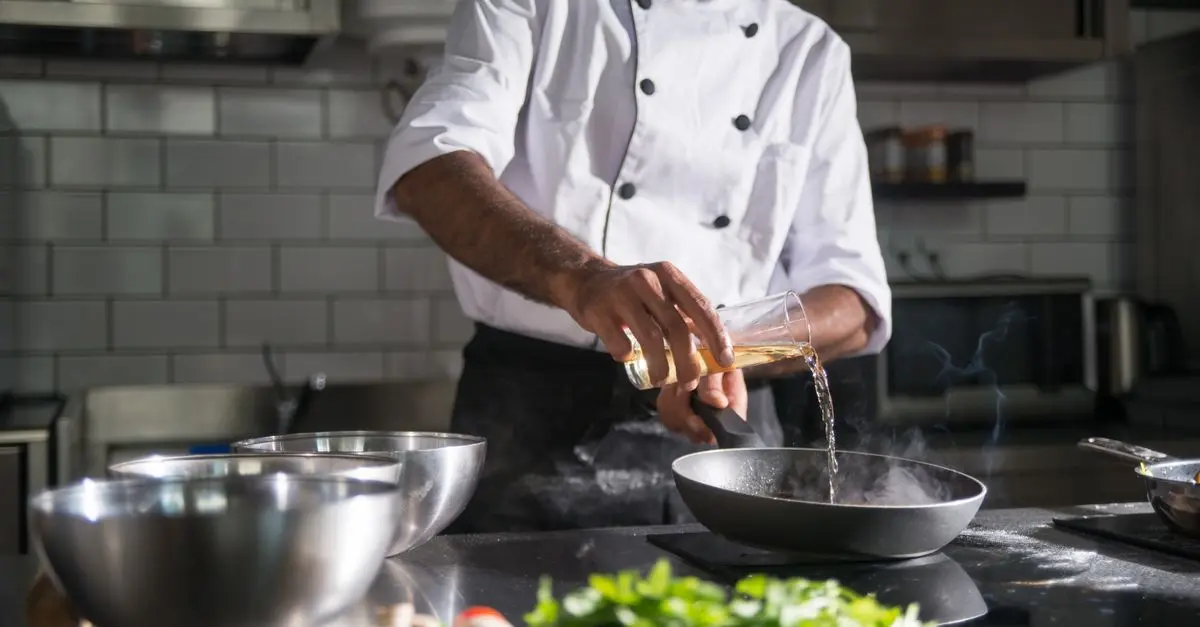
Sautéing is quick and allows for deep flavor development. Heat a small amount of oil in a pan and add your ingredients. Make sure they lie flat in the pan for even cooking. Stir occasionally to prevent burning.
Baking
Baking typically requires precision in temperature and timing. Start by preheating your oven to the desired temperature. For baked goods, such as bread, ensure ingredients like yeast are fresh for best results.
Poaching
Poaching is a gentle method that keeps the food moist. Use simmering water (not boiling) and add ingredients such as eggs or fish. A common error is to cook at too high a temperature; keep it gentle.
Step 3: Flavor Building
Understanding how to build flavor is crucial for successful dishes. This process involves the right combination of ingredients and techniques.
Seasoning
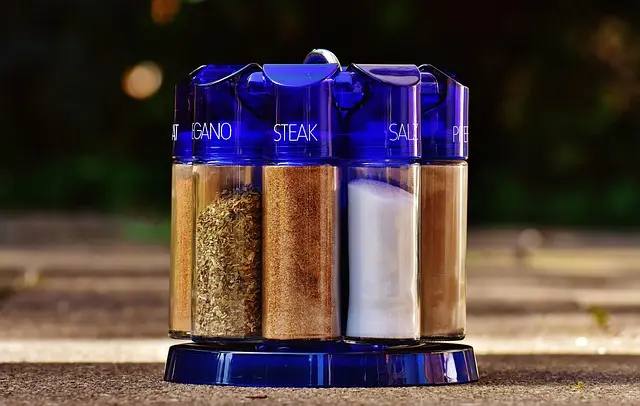
Salt enhances flavors; however, knowing when and how to use it is key. Season at different stages of cooking. For example, a pinch of salt at the start can help boost the ingredients’ natural flavors.
Cooking with Aromatics
Using aromatics like onions, garlic, and herbs can significantly enhance your dishes. Sauté them early in the cooking process to release their essential oils, which in turn flavors the entire dish.
Step 4: Plating and Presentation
Successful chefs know that presentation is vital. The way a dish looks can completely change the perception of its flavor.
Elements of Plating
Use white plates to highlight food color. First, choose your main component and place it slightly off-center. Add garnishes to enhance visual appeal. A sprinkle of herbs can brighten a dish instantly.
Common Plating Mistakes
Avoid overcrowding the plate; negative space allows the dish to breathe and look more appealing. Also, ensure your plate is clean after presentation—smudges can diminish the overall look.
Step 5: Practicing Essential Culinary Techniques
Practice makes perfect. Regularly set aside time to hone your skills in various cooking techniques.
Recipe Testing
Choose recipes that challenge different skills, from basic knife skills to complex flavor profiles. Make adjustments and take notes on what works and what doesn’t. This process will improve your understanding of ingredients and methods.
Professional Insight
> 💡 Expert Opinion: Many aspiring chefs struggle with knife skills. Regular practice using various vegetables increases cutting efficiency and precision, essential for any culinary task.
Table Comparisons of Cooking Techniques
| Technique | Best For | Required Equipment | Difficulty Level |
|---|---|---|---|
| Sautéing | Quick sauté of vegetables | Frying pan | Moderate |
| Baking | Pastries, bread | Oven, baking sheets | High |
| Poaching | Fish, eggs | Saucepan | Low |
| Grilling | Meat, vegetables | Grill | Moderate |
Checklist for Mastering Culinary Techniques
- [ ] Master the basics of knife skills.
- [ ] Practice various cooking methods.
- [ ] Experiment with flavor building.
- [ ] Focus on presentation and plating.
- [ ] Regularly test new recipes.
📺 Video Resource
> 📺 For further learning: Watch culinary experts demonstrate essential techniques.
> Search on YouTube: "culinary techniques for aspiring chefs 2026".
Glossary
| Term | Definition |
|---|---|
| Chiffonade | A cutting technique that involves slicing herbs into thin strips. |
| Julienne | A cut that results in thin, matchstick-shaped pieces of vegetables. |
| Brunoise | A technique that involves cutting ingredients into small dice. |
---
📺 Pour aller plus loin : culinary techniques for aspiring chefs 2026 sur YouTube