Table of Contents (25 sections)
- Introduction
- 1. Knife Skills: The Foundation of Cooking
- 2. Mastering the Sauté Technique
- 3. The Art of Braising
- 4. Perfecting Baking Techniques
- 5. Understanding Sous Vide Cooking
- 6. Embracing Fermentation
- 7. The Importance of Plating
- 8. Grilling: Techniques for Perfect Flavors
- 9. Cooking for Different Dietary Needs
- 10. Continuous Learning and Improvement
Introduction
Cooking is an art and science that every aspiring chef should embrace fully. Mastering essential cooking techniques is not just about following recipes; it’s about understanding the methods that transform ingredients into extraordinary meals. By honing these techniques, you will gain confidence and versatility in the kitchen, setting yourself up for success in your culinary journey. Let's explore 10 essential cooking techniques that every aspiring chef should master.
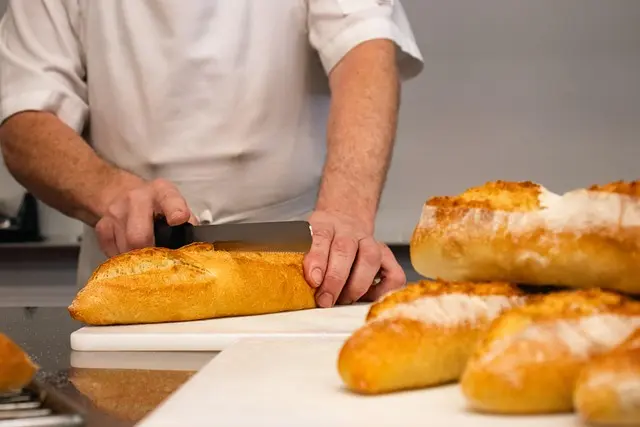
1. Knife Skills: The Foundation of Cooking
Knife skills are the bedrock of any proficient chef. Whether you’re chopping vegetables, filleting fish, or carving meat, having the right technique ensures you work efficiently and safely. Mastering your knife skills also enhances the presentation of your dishes.
Tips for Improving Knife Skills:
- Practice Different Cuts: Chopping, dicing, julienning, and chiffonading are fundamental cuts you should master.
- Use the Right Knife: Invest in a good chef's knife. Popular brands like Wüsthof and Global offer excellent options.
- Keep Your Knives Sharp: A sharp knife is safer and cuts more precisely than a dull one.
Practicing knife skills can significantly reduce prep time and improve your overall cooking experience.
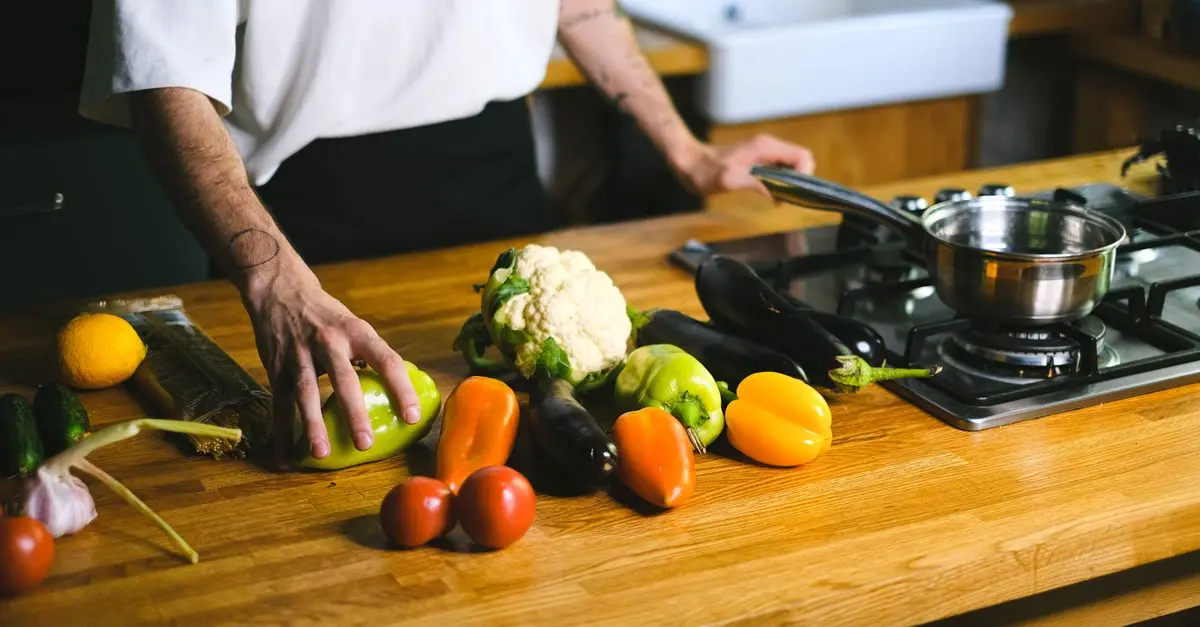
2. Mastering the Sauté Technique
Sautéing is a quick cooking method that helps to lock in flavors while maintaining the food’s texture. It involves cooking food in a small amount of oil over relatively high heat, ensuring a nice sear and caramelization of ingredients.
Steps for Sautéing:
- Heat Your Pan: Ensure your pan is hot before adding oil.
- Add Oil: Use high smoke point oils like canola or grapeseed.
- Add Food: Don’t overcrowd the pan; this reduces the temperature and results in steaming rather than sautéing.
Mastering the sauté technique increases flavor depth, an essential skill for any aspiring chef.
3. The Art of Braising
Braising is a combination cooking technique that combines both moist and dry heat. It is often used for tougher cuts of meat, transforming them into tender, flavorful dishes. By slowly cooking food in liquid, your dishes become rich and layered in flavor.
How to Braise:
- Sear the Meat: Use high heat to brown the meat first.
- Add Aromatics: Onions, garlic, and herbs should be added shortly after.
- Add Liquid: Cover partially with broth, wine, or water, and then cook slowly in an oven or on the stove.
Braising can elevate comfort food classics such as beef stews or coq au vin, making it a vital technique for chefs.
4. Perfecting Baking Techniques
Baking is a science where precision is critical. Understanding how various ingredients interact during baking can significantly impact your results. Whether you're making bread or pastries, mastering baking techniques is vital.
Essential Baking Techniques:
- Measuring Ingredients: Accuracy in measuring is essential; use a digital scale for best results.
- Preheating the Oven: Always preheat your oven to ensure even cooking.
- Utilizing the Right Bakeware: Depending on what you’re baking, the material of your bakeware can affect heat conduction.
Baking can also be a rewarding outlet for creativity, transforming basic ingredients into delightful sweets.
5. Understanding Sous Vide Cooking
Sous vide is a modern cooking technique where food is vacuum-sealed and cooked in a water bath at a precise temperature. This method retains moisture and enhances flavors, ensuring the food is cooked consistently throughout.
Tips for Successful Sous Vide:
- Invest in Quality Equipment: A good immersion circulator is key to mastering this technique.
- Vacuum Sealing: Use vacuum-sealed bags to prevent water from entering during cooking.
- Finish with a Sear: After sous vide cooking, sear the food in a hot pan for texture.
Understanding sous vide opens up new avenues for experimentation in flavor and texture.
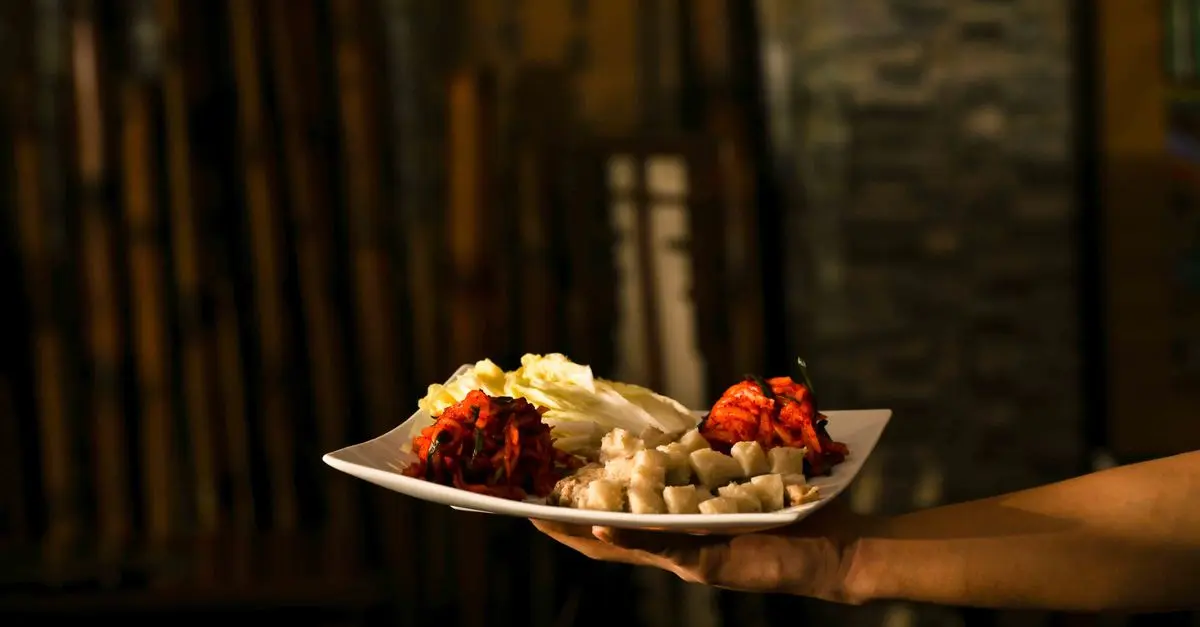
6. Embracing Fermentation
Fermentation is a culinary technique that can enhance flavors while promoting health benefits. Fermented foods like kimchi, sauerkraut, and yogurt are not only tasty but also introduce beneficial probiotics.
Steps for Fermenting:
- Choose Your Ingredients: Vegetables and grains work best for beginners.
- Salt the Ingredients: Salt helps create an environment conducive to fermentation.
- Store and Monitor: Keep the mixture in a cool, dark place for several days, tasting periodically.
By embracing fermentation, you can elevate dishes and bring a complex flavor profile to your offerings.
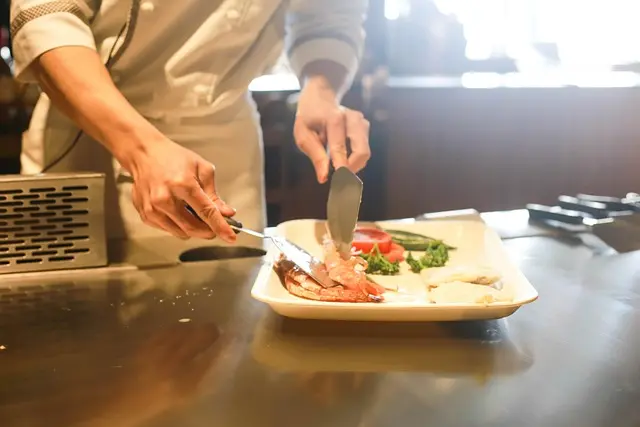
7. The Importance of Plating
Plating is an art of presentation that can significantly enhance the dining experience. How you present your dish can evoke excitement and appetite.
Plating Techniques:
- Focus on Contrast: Use different colors and textures to make the dish visually appealing.
- Balance on the Plate: Arrange food in odd numbers and consider the hierarchy of elements.
- Garnish Wisely: Use fresh herbs or sauces to add color and flavor.
A well-plated dish showcases your skills and can make simple ingredients appear gourmet.
8. Grilling: Techniques for Perfect Flavors
Grilling is perfect for adding smoky flavors to many types of food. Knowing how to properly grill meat, vegetables, and even fruit is essential for any aspiring chef.
Grilling Tips:
- Preheat Your Grill: Always ensure your grill is hot before adding food.
- Season Well: Salt and spices enhance natural flavors before cooking.
- Monitor Temperature: Use a meat thermometer for correct doneness.
Grilling at home can be both healthy and rewarding, giving you a flavor-filled experience.
9. Cooking for Different Dietary Needs
Understanding various dietary preferences can be beneficial in your culinary career. Vegan, gluten-free, and low-carb options are demanded in the dining industry.
Skills for Catering to Diets:
- Ingredient Substitutes: Learn about alternatives to dairy, gluten, and sugar.
- Balanced Flavors: Ensure that dietary restrictions don’t compromise taste.
- Presentation: Make sure that each dish looks appetizing, regardless of dietary restrictions.
Catering to diverse dietary needs can expand your customer base and elevate your culinary art.
10. Continuous Learning and Improvement
The culinary world is continuously evolving, and staying updated with trends, techniques, and cuisines is essential.
Ways to Keep Learning:
- Take Classes and Workshops: Engage with professionals and learn new skills.
- Cookbooks and Online Resources: Explore various cuisines and techniques.
- Experiment at Home: Try new dishes and ingredients regularly.
Continuous improvement in your culinary skills is how one transforms from a novice to a seasoned chef.
📺 For further exploration: Diving into Essential Cooking Techniques, an in-depth video guide on mastering cooking methods. Search on YouTube: "essential cooking techniques for chefs".
Glossary
| Term | Definition |
|---|---|
| Sauté | A cooking method utilizing high heat and a small amount of oil, often used for vegetables and meat. |
| Fermentation | A metabolic process that creates biochemical changes in organic substrates through the action of enzymes or microorganisms. |
| Braising | A combination cooking method using both moist and dry heat, typically for tougher cuts of meat. |
Checklist before getting started
- [ ] Master basic knife skills
- [ ] Practice sautéing and braising techniques
- [ ] Experiment with baking and sous vide
- [ ] Explore plating styles for beautiful presentation
- [ ] Learn about various dietary restrictions and alternatives
- [ ] Stay updated with culinary trends and practices
🧠 Quick Quiz: What is the ideal cooking method for tougher cuts of meat?
- A) Baking
- B) Sautéing
- C) Braising
Answer: C — Braising effectively tenderizes tougher cuts through low and slow cooking.
📺 Pour aller plus loin : essential cooking techniques for chefs sur YouTube