Table of Contents (15 sections)
Becoming a professional chef involves more than just cooking delicious meals. Aspiring chefs must develop a robust set of skills that not only enhance their culinary creativity but also help them thrive in a competitive industry. This guide explores the ten essential skills every aspiring chef should master to build a successful culinary career.
1. Culinary Techniques
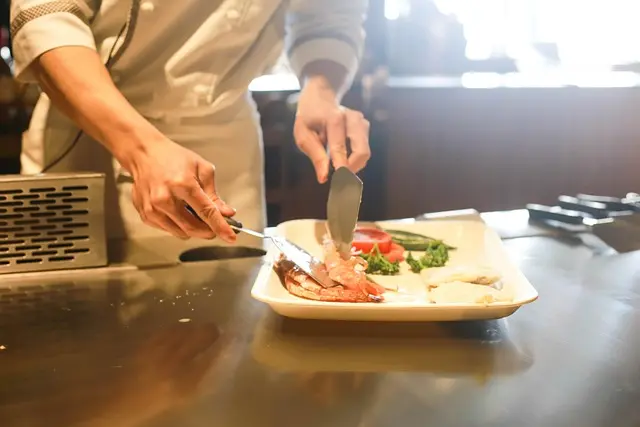
Understanding fundamental culinary techniques is pivotal for any aspiring chef. Mastering knife skills, cooking methods like sautéing, frying, and baking, and grasping the science behind cooking processes form the backbone of all culinary art. According to the Culinary Institute of America, foundational techniques are necessary not only for creating outstanding dishes but also for innovating and improvising. By consistently practicing these techniques, an aspiring chef lays the groundwork for culinary excellence that will impress any palate.
2. Flavor Profiling
The ability to identify, balance, and enhance flavors is crucial in cooking. A successful dish is often defined by its harmonious flavor profile, which necessitates a deep understanding of herbs, spices, acidity, sweetness, and umami. Culinary training programs emphasize the importance of tasting and adjusting dishes during cooking to achieve the desired flavor dynamics. Aspiring chefs should experiment with different flavor combinations to develop their palate and identify how to enhance or contrast flavors in their dishes.
3. Time Management
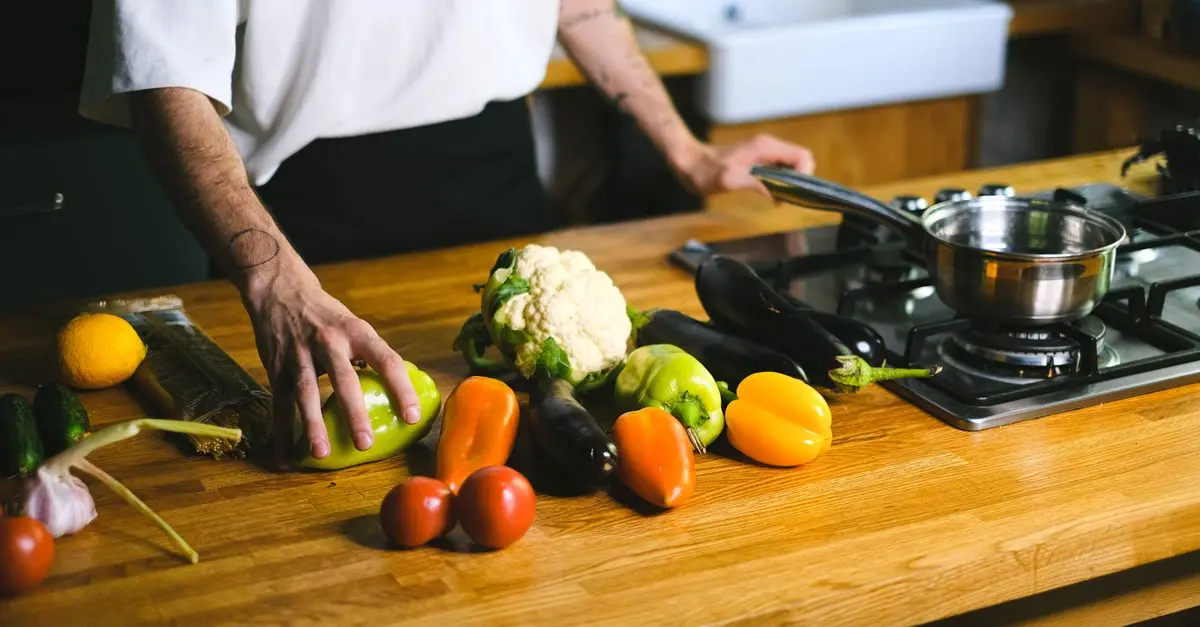
In a kitchen environment, being able to manage time effectively can be the difference between a smoothly run service and total chaos. Aspiring chefs must learn how to prioritize tasks, coordinate between multiple dishes, and maintain composure under pressure. Implementing techniques such as mise en place—preparing and organizing all ingredients before cooking—can greatly enhance efficiency. A 2025 study by the Food Service Association indicated that efficient time management can reduce cooking errors by up to 30%, directly impacting the quality of service.
4. Menu Development
Designing a well-balanced menu is an art and a science. Aspiring chefs should learn how to create menus that not only reflect their culinary style but also consider customer preferences, seasonal ingredients, and dietary restrictions. Understanding market trends and customer demographics can significantly impact menu success. Participating in local food events and engaging with customers provides valuable feedback that can influence menu choices and drive culinary innovation.
5. Food Safety Knowledge
Understanding food safety is non-negotiable in the culinary world. Aspiring chefs must familiarize themselves with proper food handling, storage, and sanitation practices to prevent foodborne illnesses. Training in food safety standards, such as those outlined by the FDA, equips chefs with the knowledge to maintain a safe kitchen environment. An estimated 48 million Americans get sick each year due to foodborne pathogens, which highlights the critical nature of hygiene and safety in the food service industry.
6. Leadership and Communication
Strong leadership skills are essential for aspiring chefs, especially for those aiming for supervisory or executive positions. Effective communication fosters a cohesive kitchen environment, ensuring that team members work collaboratively to execute a successful service. Chefs should develop the ability to provide constructive feedback, inspire their team, and handle conflicts diplomatically. As reported by the National Restaurant Association, effective team dynamics can lead to better performance and higher employee satisfaction.
7. Creativity
Creativity is at the heart of any culinary profession. Aspiring chefs should strive to think outside the box, experimenting with new ingredients, techniques, and trends. Participating in culinary competitions, and collaborating with other chefs can spark inspiration and innovation. Keeping up with contemporary culinary trends and incorporating unique plating techniques can help chefs stand out in a crowded marketplace, attracting customers and media attention.
8. Nutritional Understanding
With rising awareness of health and dietary needs, aspiring chefs must understand nutrition and the dietary implications of their culinary creations. Learning about balance in meals, special diets such as veganism or gluten-free options, and the nutritional value of ingredients will enable chefs to create meals that cater to a broader audience. Studying resources from registered dietitians can enhance a chef's credibility and range of offerings, ultimately meeting diverse customer needs.
9. Financial Management
Budgeting and cost control are vital skills for anyone aspiring to run a successful kitchen or restaurant. Understanding food costs, managing inventory, and analyzing profit margins can significantly impact the financial success of a culinary operation. Chefs should familiarize themselves with tools and software that aid in financial planning. According to a report by the Culinary Institute of America, effective financial management can increase restaurant profitability by an average of 15%.
10. Networking
Building a strong professional network within the culinary industry can open doors to job opportunities, mentorships, and collaborations. Aspiring chefs should engage with peers, mentors, and industry leaders by attending culinary events, joining professional organizations, and utilizing platforms like LinkedIn. Networking can also be a source of valuable information on industry trends and career advancement strategies.
CheckList to Master Essential Chef Skills
- [ ] Master fundamental culinary techniques
- [ ] Develop an understanding of flavor profiling
- [ ] Improve time management skills
- [ ] Create balanced and innovative menus
- [ ] Learn about food safety practices
- [ ] Practice strong leadership and communication
- [ ] Foster creativity in cooking
- [ ] Understand nutrition and dietary needs
- [ ] Manage finances effectively
- [ ] Build a professional network
Glossary
| Terme | Définition |
|---|---|
| Mise en place | Préparation et organisation des ingrédients avant cuisine |
| Umami | Cinquième saveur, souvent décrite comme savoureuse ou délicieuse |
| Cost control | Gestion des coûts alimentaires pour maximiser les profits |
> 💡 Expert Opinion: Proficient chefs continuously hone their skills beyond formal training. Practical experience, feedback, and experimentation are irreplaceable in the culinary journey.
🧠 Quick Quiz: What is one method to enhance your time management skills in the kitchen?
- A) Multitasking
- B) Mise en place
- C) Skipping prep
Answer: B — Mise en place streamlines workflow and reduces chaos.
Uplift Essentials Rotatable Adjustable Tablet Stand For IPad And Tablets black 1
inspireuplift.com
Uplift Essentials Tripod Floor Tablet Stand Adjustable Heavy Duty Tablet Support Tripod Floor Tablet Stand Adjustable Heavy Duty Tablet Support
inspireuplift.com
Uplift Essentials Rotatable Adjustable Tablet Stand For IPad And Tablets silver 1
inspireuplift.com
📺 For further insight: Culinary Mastery: Essential Skills for Aspiring Chefs, an in-depth look at the skills necessary in modern kitchens. Search on YouTube for: essential skills aspiring chef 2026.
📺 Pour aller plus loin : essential skills aspiring chef 2026 sur YouTube
Recommended products
Selected by our experts
beautyblender Beautyblender Bounce Haus Essential Trio Gift Set, - None - Size: 0.31 Oz
kohls.com
Uplift Essentials Silicone T Shaped Eye Patch For Facial Skincare Silicone T Shaped Eye Patch For Facial Skincare
inspireuplift.com