Table of Contents (15 sections)
Becoming a chef is not just about cooking; it’s about mastering a set of unique skills that combine creativity, technique, and professionalism. In a thriving culinary industry, aspiring chefs must equip themselves with the essential skills necessary to not only survive but thrive in their careers. This article will explore 10 key skills for aspiring chefs that can lead you to success in the kitchen.
1. Culinary Techniques
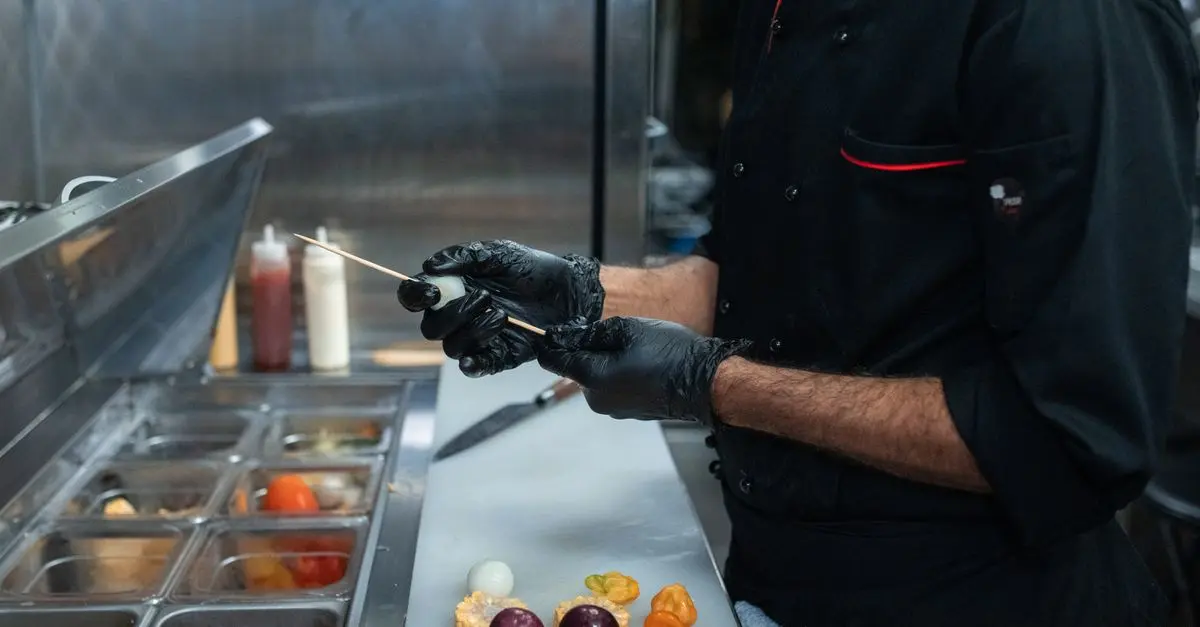
Understanding and mastering basic cooking techniques is foundational for any chef. From knife skills to mastering various cooking methods like sautéing, grilling, and braising, these competencies are crucial. For instance, determining the correct technique is the difference between a perfectly cooked steak and a dry, tough one. According to a survey by The Culinary Institute of America, 97% of chefs cite strong foundational skills as crucial to professional success. Aspiring chefs should practice these techniques consistently to develop muscle memory and confidence.
2. Time Management
In a bustling kitchen, time is of the essence. Learning to manage time effectively can make or break a chef’s performance during service. This involves prioritizing tasks, creating a timeline for food preparation, and working efficiently under pressure. One effective method is the "Mise en Place" philosophy, which emphasizes preparation and organization before diving into cooking. An aspiring chef can practice this by organizing their workstation, preparing ingredients beforehand, and setting clear benchmarks to ensure that meals are delivered on time.



3. Flavor Development
Being able to create balanced and deep flavors is a hallmark of a great chef. This involves understanding how different ingredients interact and the science behind spices and seasonings. Aspiring chefs should experiment with flavor profiles and learn from culinary traditions worldwide. For example, the umami flavor found in mushrooms can elevate a dish if balanced with acidic components like citrus or vinegar. Experiencing diverse cuisines can greatly enhance flavor development skills.
4. Food Safety and Sanitation
Food safety is non-negotiable in the culinary world, impacting both customer health and business reputation. Aspiring chefs must familiarize themselves with food safety regulations and best practices, such as proper food storage, hygiene, and cross-contamination prevention. According to the U.S. Food and Drug Administration (FDA), nearly 48 million Americans suffer from foodborne illnesses annually. Understanding sanitation protocols will not only keep customers safe but also promote a professional kitchen environment.
5. Creativity and Innovation
Creativity is key to standing out in a crowded culinary market. Aspiring chefs should cultivate their creative skills by exploring new cuisines, experimenting with techniques, and incorporating unexpected ingredients. Being innovative leads to signature dishes that can become the chef's trademark. A study by Food & Wine indicated that dishes that incorporate original ideas are more likely to attract attention and patrons. One way to foster creativity is to set aside time for spontaneous cooking challenges using random ingredients.
6. Communication Skills
Effective communication is essential in a kitchen, where teamwork is vital for delivering quality meals under pressure. Aspiring chefs should work on clear verbal and non-verbal communication and learn to listen actively to their team. This helps to foster a collaborative environment, reducing mistakes and improving service flow. Learning how to communicate effectively can also extend beyond the kitchen, improving interactions with suppliers and management.



7. Attention to Detail
A chef's success often lies in the little things; attention to detail can greatly influence meal presentation and flavor precision. It’s important to focus on plating techniques, ingredient measurement, and maintaining consistency in preparation. A survey by ProChef noted that 80% of diners believe presentation significantly impacts their dining experience. Aspiring chefs can practice by dedicating time to perfecting their plating skills and regularly tasting their dishes for adjustments.
8. Business Acumen
Understanding the business side of culinary arts is increasingly important, especially for chefs looking to open their own restaurant. Knowledge of cost control, budgeting, and inventory management is essential. Chefs should familiarize themselves with menu pricing strategies based on ingredient costs and market demand. According to National Restaurant Association, more than half of restaurants fail due to financial mismanagement. Acquiring business knowledge will prepare aspiring chefs for successful management in their careers.
9. Networking Skills
Building relationships in the culinary world can create opportunities for aspiring chefs. Networking allows chefs to meet industry professionals, gain insights, and explore job opportunities. This can involve attending culinary events, participating in competitions, or joining professional organizations. Zagat reports that networking significantly influences job placements and career advancements in the culinary industry. Aspiring chefs should prioritize cultivating connections within the community.
10. Adaptability
The culinary industry is ever-evolving, with new trends emerging regularly. Aspiring chefs must be able to adapt to changes in dietary preferences, ingredient availability, and kitchen technology. Adapting to these changes can set a chef apart from competitors. For example, incorporating plant-based options into menus can attract a broader clientele. Embracing change and being proactive can enhance a chef's ability to thrive in various culinary landscapes.
📺 For further exploration:
Check out this video on culinary techniques to take your skills to the next level. Search on YouTube: "culinary techniques training".
Conclusion
Mastering the essential skills for aspiring chefs is vital for success in today’s competitive culinary landscape. This journey of skill development can transform a passion for cooking into a fulfilling career.
Glossary
| Term | Definition |
|---|
| Mise en Place | A French culinary phrase meaning
Recommended products
Selected by our experts