Table of Contents (14 sections)
Making the leap from a home cook to a professional chef is both thrilling and challenging. This transition not only demands culinary expertise but also adaptability, dedication, and a genuine passion for food. In this guide, we will lay out a comprehensive step-by-step method to help you navigate this exciting career change. Expect practical advice, common pitfalls to avoid, and valuable resources to aid your journey.
1. Assess Your Current Skills and Knowledge
Before beginning your journey to becoming a professional chef, it’s essential to evaluate your current skills. Ask yourself:
- What cuisines am I comfortable with?
- Have I mastered basic cooking techniques?
- What kind of kitchen equipment do I know how to use?
A self-assessment can provide clarity on where you stand and help you develop a targeted learning plan. Consider enrolling in basic cooking classes to refine your skills further. According to data from the Culinary Institute of America, aspiring chefs often focus on mastering foundational skills in their early stages. Learning techniques such as knife skills, proper cooking methods, and flavor pairing are crucial.
2. Gain Experience in a Professional Kitchen
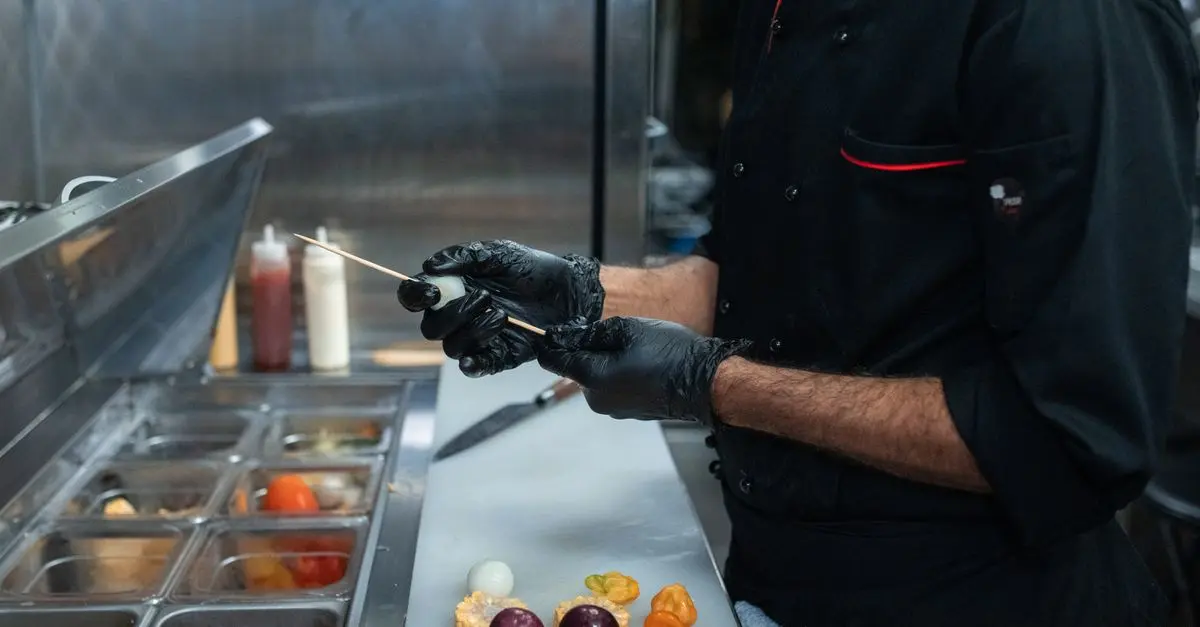
Once you have a solid understanding of your skills, the next step is immersing yourself in a professional setting. This could mean starting as a kitchen assistant, line cook, or even volunteering in local restaurants. Gaining hands-on experience is invaluable; it exposes you to the realities of kitchen dynamics, staff hierarchy, and the fast-paced environment chefs navigate daily. Many chefs recommend starting at busy establishments for a true test of your abilities. It's where you learn to multitask under pressure and develop critical soft skills like teamwork and communication.
Common Pitfalls to Avoid:
- Avoid aiming too high immediately. Start from the ground and work up.
- Don't neglect the importance of timing and organization. These are vital in maintaining kitchen flow.
Professional Blender, Commercial Countertop Blenders, 68 oz Glass Jar Blender Combo, Stainless Steel for Frozen Drinks
bedbathandbeyond.com
Professional Blender, Commercial Countertop Blenders, 68 oz Glass Jar Blender Combo, Stainless Steel for Frozen Drinks
bedbathandbeyond.com

VVOR Professional Blender with Shield, Commercial Countertop Blenders, 68 oz Blender Combo, Stainless Steel 9 Speed & 5 Functions Blender, for
shop.simon.com
3. Consider Formal Culinary Education
While hands-on experience is essential, formal training at a culinary school can enhance your skills significantly. Institutions such as the Le Cordon Bleu and Culinary Institute of America offer comprehensive programs that cover both culinary techniques and business management. Moreover, formal education helps in network building and a deeper understanding of food sciences, which could be a significant advantage in a competitive field.
Pros and Cons of Culinary School:
| Criteria | Pros | Cons | Verdict |
|---|---|---|---|
| Networking Opportunities | Connections with industry pros | Expensive tuition | Worthwhile if financially feasible |
| Structured Learning | Comprehensive education | Time-consuming | Great for skill development |
| Accreditation | Recognized credentials | May not guarantee employment | Helpful but not necessary |
4. Build Your Brand as a Chef
In today’s digital age, personal branding can significantly impact your culinary career. Utilize social media platforms to showcase your culinary creations, interact with foodies, and engage with other chefs. Create a portfolio that includes photos of your dishes, testimonials from previous employers, and perhaps even a blog documenting your journey. Building an online presence not only showcases your skills but can attract job opportunities and collaborations.
🔍 Expert Opinion: A culinary expert once stated, "Your online brand should reflect your unique cooking style and personality. This will set you apart in a competitive industry."
5. Mastering the Art of Networking
Networking is paramount in the culinary field. Attend food festivals, workshops, and industry events where you can meet established chefs, restaurateurs, and other food industry professionals. Informal gatherings or cooking demonstrations can also be invaluable for making connections. According to a report by the American Culinary Federation, over 75% of chefs find job opportunities through personal connections. Don’t hesitate to reach out and inquire about mentorships or job shadowing. These experiences can be crucial for your growth and career trajectory.
Networking Tips:
- Follow industry leaders on social media.
- Attend workshops and cooking classes for hands-on experience.
- Don’t underestimate the power of a simple conversation.
Checklist for Transitioning to a Professional Chef
- [ ] Evaluate your cooking skills and knowledge.
- [ ] Gain experience in a professional kitchen environment.
- [ ] Explore culinary education opportunities.
- [ ] Start building your personal brand online.
- [ ] Actively network within the culinary community.

Metropolitan Vacuum Cleaner Co., Inc. Professional Car Vacuum and Dryer
sharperimage.com

Metropolitan Vacuum Cleaner Co., Inc. Professional Auto Detailing Vacuum
sharperimage.com
Professional Blender, Commercial Countertop Blenders, 68 oz Glass Jar Blender Combo, Stainless Steel for Frozen Drinks
bedbathandbeyond.com
Glossary
| Term | Definition |
|---|---|
| Culinary School | An institution dedicated to teaching cooking techniques and culinary arts. |
| Networking | The action of meeting and interacting with professionals to build connections. |
| Personal Branding | The practice of marketing oneself and one's career as a brand. |
📺 For Further Exploration:
Watch videos that showcase different paths in culinary careers and the daily life of a professional chef. Search YouTube for: "professional chef career transition".
Conclusion
Transitioning from a home cook to a professional chef requires a commitment to continuous learning, practical experience, and networking. By following these steps and avoiding common pitfalls, you can elevate your career and become a successful chef in the culinary world.
Embrace your passion, and don’t hesitate to explore our selected products that can assist you in your culinary journey below.
📺 Pour aller plus loin : professional chef career transition sur YouTube
Recommended products
Selected by our experts

VEVOR - Blender for Smoothies, 61 oz 1400W, Professional Blender with Powerful Motor, Multi-Functional Food Processing Blender - Dark Gray
bestbuy.com

Professional Dishwasher Door Panel Kit for Viking FDWU524 Dishwasher - Cast Black
bestbuy.com

Professional Dishwasher Door Panel Kit for Viking FDWU524 Dishwasher - Slate Blue
bestbuy.com

Professional Dishwasher Door Panel Kit for Viking FDWU524 Dishwasher - Damascus Gray
bestbuy.com

Professional Dishwasher Door Panel Kit for Viking FDWU524 Dishwasher - Stainless Steel
bestbuy.com