Table of Contents (13 sections)
Welcome to your culinary journey! In this complete guide, we’ll outline the essential steps to master culinary techniques that every aspiring chef must know. Whether you're passionate about cooking as a hobby or aiming to pursue a career in the culinary arts, honing these fundamental skills is crucial. Let’s dive right in!
📚 Table of Contents
- 1. Understanding Culinary Techniques
- 2. Preparation: The Basis of Culinary Skill
- 3. Cooking Methods: Techniques You Must Master
- 4. Knife Skills: Essential for Every Chef
- 5. The Art of Plating: Elevating Your Dishes
- 6. Common Mistakes and How to Avoid Them
- 7. Checklist for Mastering Culinary Techniques
- 8. Q&A
1. Understanding Culinary Techniques
To master culinary techniques, it’s important to grasp what they entail. Culinary techniques refer to the methods and skills used to prepare and cook food. These techniques range from basic skills, like chopping vegetables, to advanced methods, such as sous-vide cooking. Understanding their fundamentals can greatly enhance your cooking.
In the culinary world, mastering techniques can be the difference between a good dish and a great one. According to culinary schools and chefs worldwide, foundational techniques allow chefs to recreate recipes with precision, as well as innovate new flavors and presentations. This mastery builds confidence, helping you execute dishes better and faster.
2. Preparation: The Basis of Culinary Skill
Before you even turn on the stove, proper preparation is key. This includes everything from gathering ingredients to organizing your workspace. Familiarize yourself with the concept of mise en place, which means having everything in its place. This French culinary phrase highlights the importance of prepping ingredients ahead of time to streamline your cooking process.
Start with these preparatory steps:
- Gathering Ingredients: Ensure you have all the ingredients before you start cooking. This reduces interruptions during the cooking process.
- Measuring: Accurate measurements are crucial. Consider using a kitchen scale for precise ingredient weights, especially in baking.
- Equipment Readiness: Have all your tools and equipment ready. A good chef always has their knives, mixing bowls, and pans in easy reach.
Taking these steps can save time and prevent mistakes, allowing you to focus more on cooking. An organized kitchen fosters creativity and efficiency!
3. Cooking Methods: Techniques You Must Master
Aspiring chefs must become familiar with various cooking methods. Here’s a look at some primary methods you should know:
- Boiling: Cooking food in water at high temperatures. This technique is great for pasta and vegetables.
- Sautéing: A quick cooking method using a small amount of oil over high heat. Excellent for vegetables and proteins.
- Baking: Using dry heat in an oven to cook dishes like breads and casseroles.
- Roasting: Similar to baking, but typically applied to meats and vegetables, enhancing their flavors effectively.
- Grilling: Cooking food over direct heat gives ingredients a distinctive char and flavor.
Each method has its pros and cons regarding flavor, texture, and nutrition. For instance, although frying can produce delicious results, it is typically less healthy than steaming or grilling. Understanding these methods will help you choose the right one based on your recipe’s requirements.
Cooking Techniques Table
| Technique | Description | Pros | Cons |
|---|---|---|---|
| Boiling | Cooking in boiling water | Quick, preserves flavor | Can lose nutrients |
| Sautéing | Quick cooking with oil | Enhances flavors | Risk of burns |
| Baking | Cooking in an oven | Even cooking, versatile | Time-consuming |
| Roasting | Cooking in dry heat | Intensifies flavors | Requires monitoring |
| Grilling | Cooking over direct heat | Adds unique flavor | Can dry out food |
4. Knife Skills: Essential for Every Chef
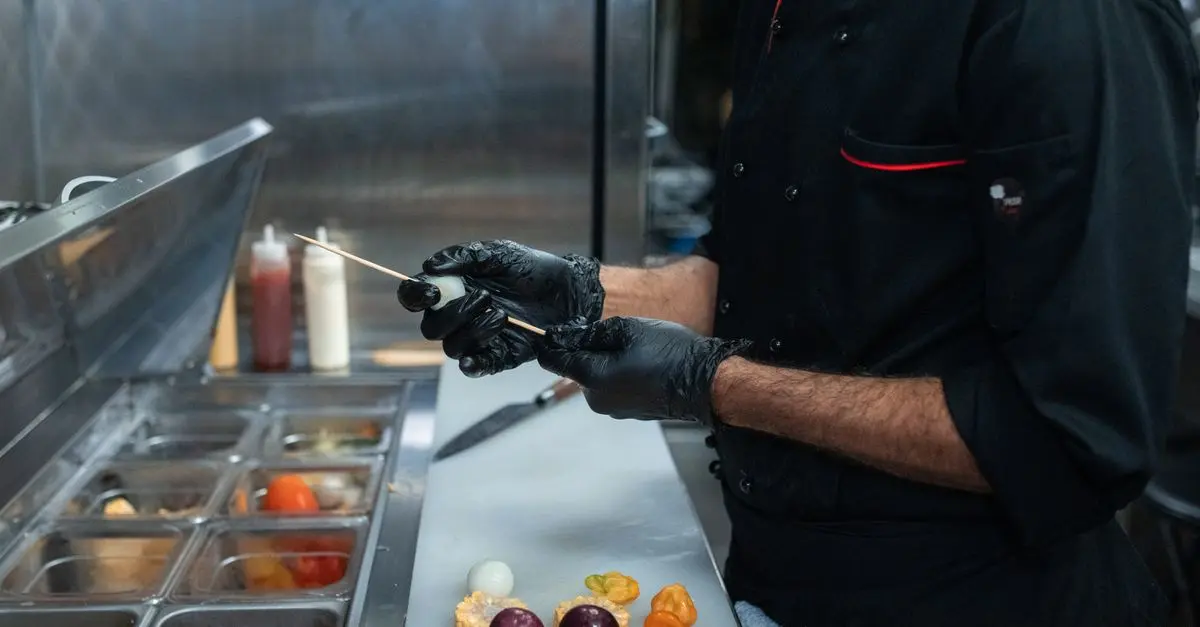
Knife skills rank among the most critical culinary techniques. Proper techniques are essential not only for food safety but also for speed and presentation. Start with the basic grips and cuts: julienne, dice, mince, and slice. Understanding how to wield your knife correctly enhances your prep work significantly.
Practice these key knife skills:
- Chopping: This sawing motion allows you to cut through dense foods quickly.
- Mincing: Ideal for garlic or herbs, mincing finely enhances the flavors in your dishes.
- Dicing: Uniform pieces ensure even cooking
- Slicing: Create thin or thick slices based on your dish requirement.
Additionally, ensure your knives are sharp! Dull knives are more dangerous and can lead to accidents in the kitchen.
5. The Art of Plating: Elevating Your Dishes
Once your dish is cooked to perfection, it’s time to showcase it through plating. Presentation can elevate a simple dish into an impressive culinary experience. Consider the following:
- Color Balance: Utilize various colorful ingredients for visual appeal.
- Height and Depth: Playing with heights gives your dish more dimension. Stack ingredients or arrange food at angles.
- Garnishes: Use fresh herbs, sauces, or edible flowers to complement your dish.
When plating, always consider the overall theme of your dish. Proper plating can significantly impact first impressions at the table.
6. Common Mistakes and How to Avoid Them
Even experienced chefs make mistakes! Here are common pitfalls to watch out for:
- Not Tasting as You Cook: Always taste your food at different stages to adjust seasoning.
- Overcrowding the Pan: This can lead to steaming instead of browning. Cook in batches if needed.
- Failing to Read the Entire Recipe: Misunderstanding instructions can lead to disastrous results.
Taking a moment to avoid these errors can save you plenty of time and frustration in the kitchen.
7. Checklist for Mastering Culinary Techniques
Here's a handy checklist to guide your culinary journey:
- [ ] Gather all ingredients.
- [ ] Organize kitchen tools and equipment.
- [ ] Familiarize yourself with different cooking methods.
- [ ] Improve your knife skills with daily practice.
- [ ] Experiment with plating techniques.
8. Q&A
Q: What is the most important skill for an aspiring chef?
A: Mastering knife skills is essential, as they affect all areas of food prep.
Q: How can I improve my cooking speed?
A: Practice mise en place to prepare and organize your ingredients in advance.
Q: Are there online resources for learning culinary techniques?
A: Yes, platforms like YouTube and culinary school sites offer numerous videos and tutorials.
Q: Is it essential to attend culinary school?
A: While formal education helps, many successful chefs are self-taught. Passion and practice are key!
💡 Expert Opinion: Mastering culinary techniques isn't just about cooking well—it's an art reflective of passion, creativity, and precision. Practicing daily will yield remarkable results!
📺 For more insights: How to Cook Like a Chef: Techniques for Aspiring Culinary Artists, a complete tutorial. Search YouTube for:
culinary techniques for aspiring chefs 2026.
Glossary
| Term | Definition |
|---|---|
| Mise en place | French term meaning "everything in its place"; essential prep method. |
| Sautéing | Quick cooking method using a small amount of oil over high heat. |
| Plate presentation | The art of presenting food in an aesthetically pleasing manner. |
---
📺 Pour aller plus loin : culinary techniques for aspiring chefs 2026 sur YouTube