Table of Contents (15 sections)
Cooking is both an art and a science, and mastering the essential techniques is crucial for every aspiring chef looking to elevate their craft. Whether you are an amateur cooking at home or planning to work in a professional kitchen, the techniques outlined below will serve as the foundation for your culinary journey.
1. Knife Skills: The Backbone of Culinary Arts
A chef's knife is one of the most critical tools in the kitchen, making knife skills paramount. Proper knife techniques not only ensure safety but also improve efficiency and presentation. Beginners should start by learning basic cuts like julienne, dice, and chiffonade. According to expert chefs, mastering these skills can cut preparation time in half. Practicing with various vegetables and proteins helps build confidence and precision. A sharp knife is essential, as it allows for cleaner cuts and reduces the risk of injury.
2. Understanding Flavors: The Science of Taste
The ability to balance flavors is what distinguishes an average dish from an extraordinary one. Aspiring chefs must understand the basic flavor profiles: sweet, salty, bitter, sour, and umami. Incorporating herbs and spices can enhance these profiles and elevate the dish. For example, using fresh basil instead of dried can significantly alter the taste and freshness of a sauce. Conducting flavor pairings and tasting experiments can help develop one's palate, making this understanding a critical technique to master.
3. Sautéing: A Quick Cooking Method
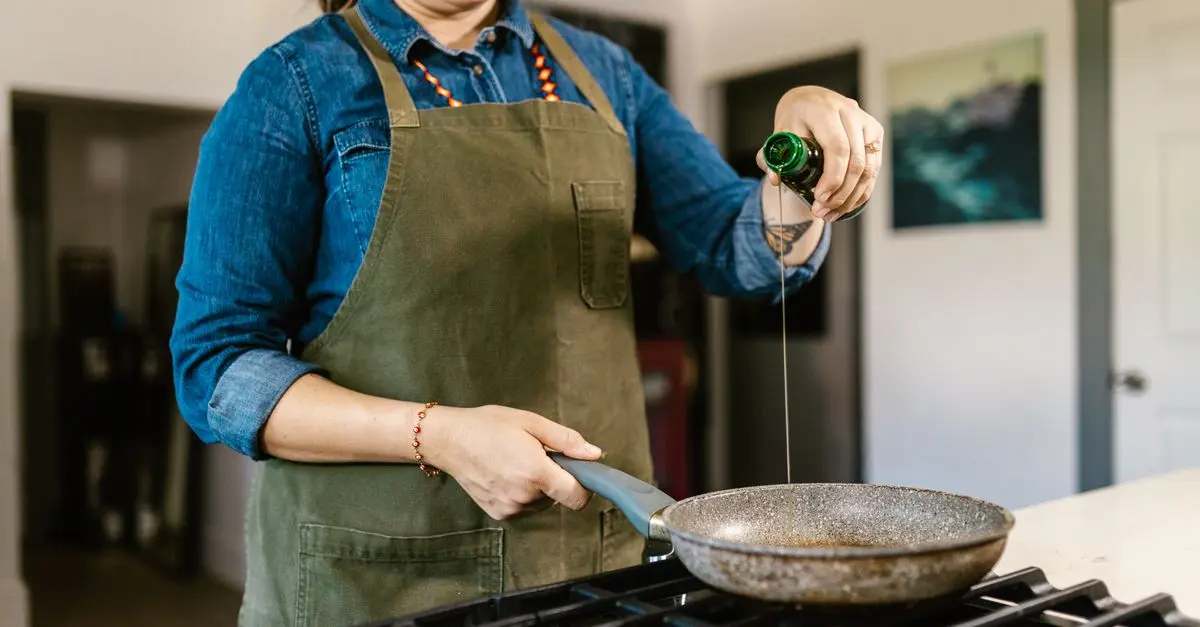
Sautéing is a fundamental cooking technique that every chef must master. This method involves cooking food quickly in a small amount of fat over high heat. Techniques such as tossing or stirring occasionally enhance flavor while preventing burning. For instance, sautéing vegetables can lock in their natural sweetness and enhance texture. It's recommended to prep all ingredients before starting to keep cooking time efficient. Understanding when to sauté versus other cooking methods can make a significant difference in the outcome of your dishes.
4. Baking: Precision and Patience
Baking is often perceived as a delicate art, requiring precise measurements and techniques. Aspiring chefs should familiarize themselves with the science behind baking, including ingredient interactions, leavening agents, and temperature control. Simple recipes like cookies or cakes can serve as excellent practice. According to culinary experts, even a slight deviation from measurements can result in varying outcomes. This technique teaches patience and attention to detail, essential qualities in a well-rounded chef.
5. Sauce Making: The Heart of French Cuisine
Mastering sauces can transform a dish from ordinary to extraordinary. Known as the backbone of French cuisine, sauces such as béchamel, hollandaise, and demi-glace provide depth to many recipes. Understanding the process of emulsification and reduction is crucial. Aspiring chefs should practice creating mother sauces, which then can be adapted into various derivatives. For instance, a simple béchamel can become a cheese sauce with the addition of cheddar. Learning these foundational techniques adds sophistication and versatility to your culinary repertoire.
6. Plating: The Art of Presentation
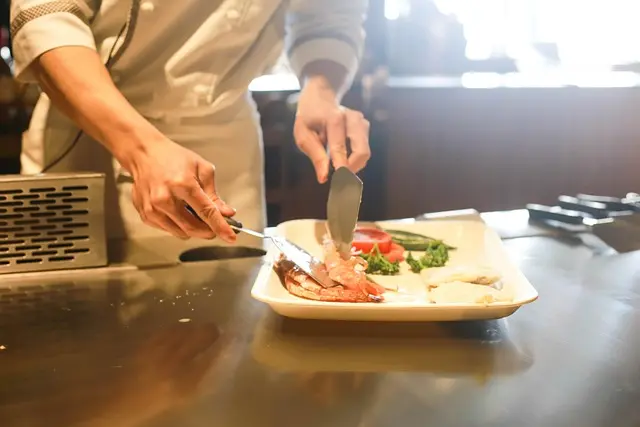
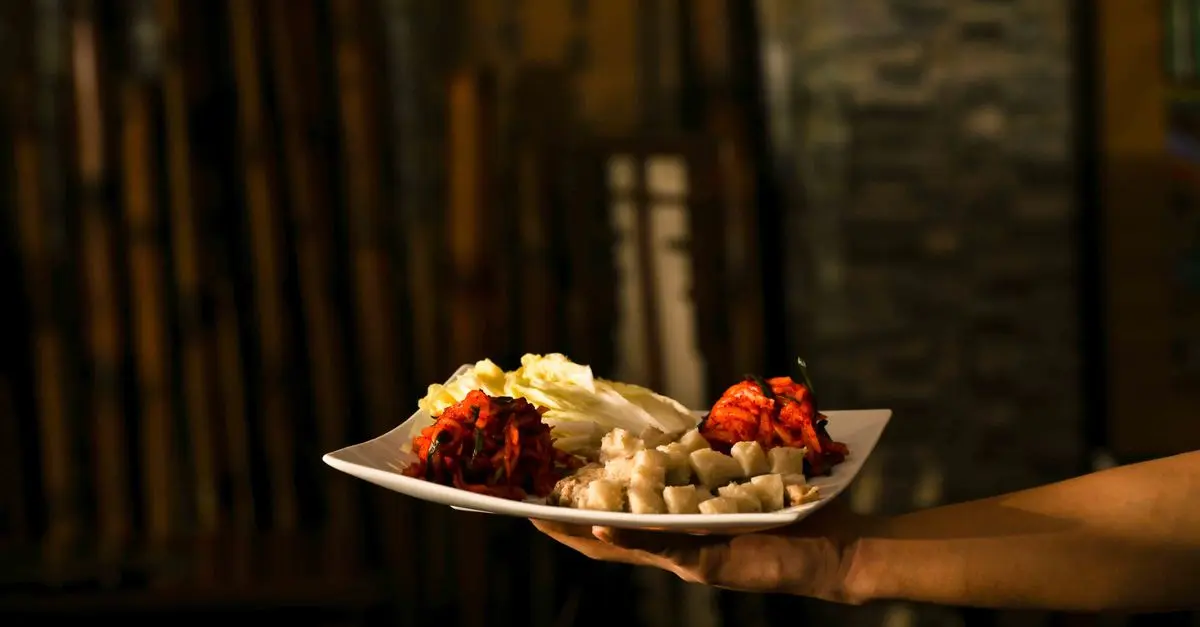
In the culinary world, presentation is just as important as flavor. Plating techniques involve arranging food thoughtfully on the plate to create a visual impact. The use of color, composition, and garnish can enhance the appeal of a dish. Aspiring chefs should experiment with various styles of plating, such as stacking or scattered designs, to find their signature look. A beautiful plate can enhance the dining experience, making plating an essential skill to develop.
7. Food Safety: Essential for Every Kitchen
Food safety is a top priority for any chef. Understanding and implementing proper food handling practices can prevent harmful foodborne illnesses. Aspiring chefs should learn about safe cooking temperatures, storage guidelines, and cross-contamination prevention. Regularly attending food safety training can help maintain high standards in the kitchen. In professional settings, adhering to these guidelines is not only vital for customer safety but also a legal requirement.
8. Cooking Techniques: Mastering Methods
From braising to grilling, every cooking method has its place in the kitchen. Aspiring chefs should explore a variety of cooking techniques to enhance their versatility. Learning when to use each method can drastically change the flavor and texture of food. For instance, braising is excellent for tougher cuts of meat, while grilling adds a smoky flavor to vegetables. Experimenting with different techniques broadens culinary skills and encourages creativity.
9. Ingredient Knowledge: The Chef’s Inventory
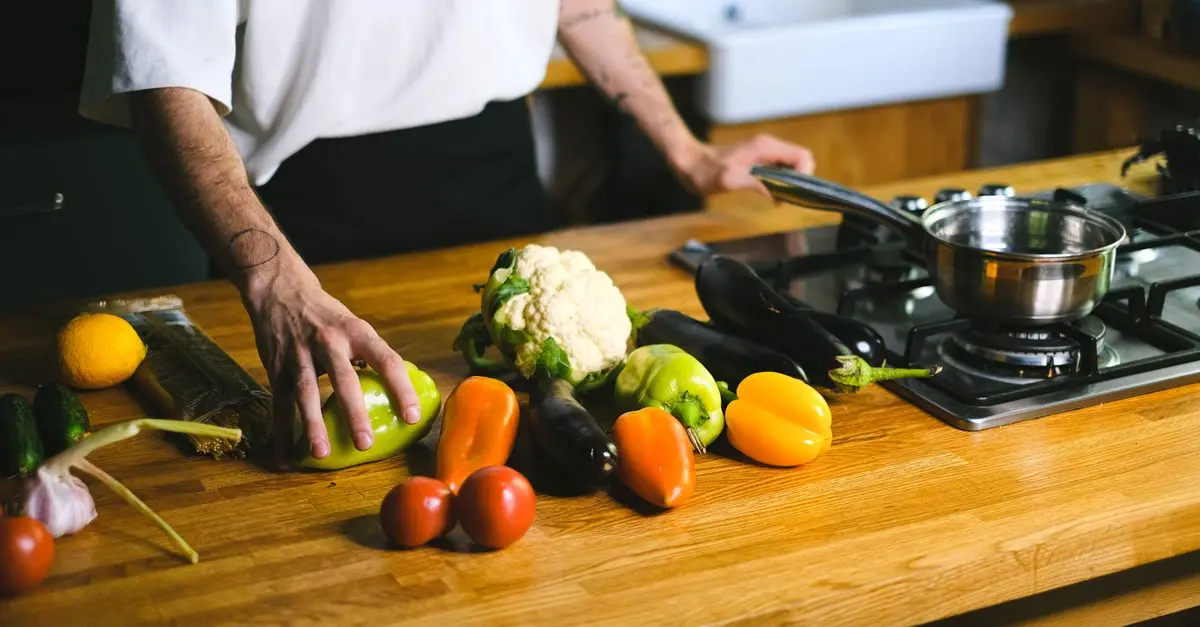
Understanding the ingredients is vital for every budding chef. This includes knowing seasonality, sourcing, and storage methods. Certain fresh ingredients will yield better flavors at specific times of the year. For example, ripe tomatoes in summer are far superior to those shipped from far distances in winter. Familiarizing yourself with local markets and seasonal produce enables chefs to create menus that highlight fresh, sustainable ingredients.
10. Culinary Creativity: The Chef’s Signature
While mastering techniques is essential, creativity is what truly sets a chef apart. Aspiring chefs should practice experimenting with flavors, textures, and presentation styles. Keeping a journal to note successful experiments or ideas can foster innovation and unique culinary contributions. Flexibility and a willingness to take risks can lead to remarkable dishes that become a chef's hallmark.
11. Time Management: The Kitchen’s Clock
In a professional kitchen, time management is critical. Aspiring chefs should prioritize tasks, preparing ingredients ahead of time to streamline the cooking process. Developing a system, such as mise en place, where everything is prepped and organized before cooking prevents delays and mistakes. Learning to multitask efficiently is also vital, particularly during busy service periods, ensuring that all components of a dish are completed on time.
12. Taste Testing: The Final Touch
Taste testing is essential to the cooking process. Chefs should continuously evaluate their food during preparation; this includes adjusting seasoning and checking for desired texture. Engaging in this practice cultivates an understanding of when the dish is ready to serve. It's an opportunity to find the right balance and make necessary adjustments, ensuring that the final dish bursts with flavor.
Glossary
| Terme | Définition |
|---|---|
| Mise en Place | A French culinary term meaning 'everything in its place.' It refers to the preparation and organization of all ingredients before cooking. |
| Emulsification | The process of mixing two unmixable liquids, such as oil and water, often used in sauces. |
| Reduction | The process of simmering or boiling a liquid to concentrate flavors and thicken sauces. |
Checklist before mastering techniques
- [ ] Practice knife skills regularly
- [ ] Experiment with flavor pairings
- [ ] Master sautéing methods
- [ ] Perfect baking techniques
- [ ] Create and taste different sauces
- [ ] Develop plating styles
- [ ] Study food safety practices
- [ ] Explore cooking methods
- [ ] Learn about seasonal ingredients
- [ ] Work on time management in the kitchen
🧠 Quiz rapide : What is the French term for 'everything in its place'?
- A) Mise en Place
- B) Emulsification
- C) Reduction
Réponse : A — This term emphasizes the importance of preparation in cooking.
📺 Pour aller plus loin: Watch how to master knife skills for essential tips and techniques. Search on YouTube: "learn knife skills for cooking".
By mastering these essential techniques aspiring chefs can not only enhance their culinary skills but can also begin their journey towards becoming a confident and capable chef. Embrace the process, experiment, and most importantly, enjoy the art of cooking!
📺 Pour aller plus loin : learn knife skills for cooking sur YouTube
Recommended products
Selected by our experts
Uplift Essentials Silicone T Shaped Eye Patch For Facial Skincare Silicone T Shaped Eye Patch For Facial Skincare
inspireuplift.com


ilyeco 30Pcs Vitamin Leave In Hair Care Essential Oil, Hair Care Capsules Keratin Essence, Protein Smooth Hair Essential Oil keratin
inspireuplift.com