Table of Contents (11 sections)
Cooking is more than just a necessity; it’s an art form that can be honed with practice. Whether you wish to become a professional chef or merely impress your friends and family at your next dinner party, building your culinary skills is an excellent goal. In this guide, we will walk you through systematic steps to enhance your cooking expertise.
Step 1: Understand the Basics of Cooking
To build culinary skills, start with a solid foundation of cooking basics. Familiarize yourself with cooking techniques such as sautéing, boiling, baking, and grilling. Understanding the purpose of these techniques will help you determine the best method for each recipe.
A great way to learn is to invest time in a few beginner cooking classes or online tutorials. For instance, courses on platforms like Udemy and MasterClass can provide insights from seasoned chefs. As reported by a study from the U.S. Bureau of Labor Statistics, cooking classes have shown to significantly improve cooking confidence among beginners.
Pro Tip: Always read through a recipe before starting. This helps you prepare mentally and ensures you have all the necessary ingredients.
Step 2: Equip Your Kitchen
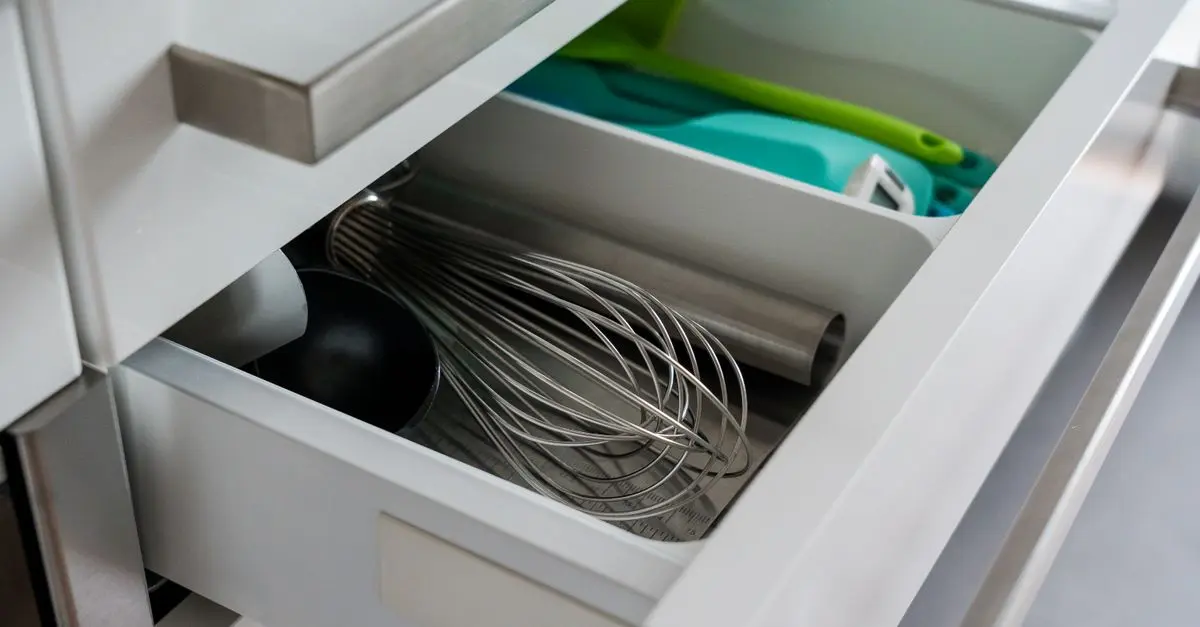
A well-stocked kitchen is crucial for anyone looking to enhance their culinary skills. Invest in essential tools such as:
- Chef’s Knife: A high-quality knife is vital for efficient chopping and slicing.
- Cutting Board: Opt for durable materials, like wood or plastic, to protect your knives.
- Cookware: A set of pots and pans of various sizes ensures you can tackle any cooking method.
- Gadgets: A food processor, measuring cups, and mixing bowls can streamline your food preparation.
Step 3: Start with Simple Recipes
Once you're comfortable with the tools and terminology, it's time to get cooking. Start with simple recipes that require minimal ingredients and techniques. Dishes like scrambled eggs or pasta with sauce are excellent starting points. As you gain experience, gradually tackle more complex dishes.
Moreover, keep a cooking diary to document your progress and any modifications you make. This will help you track what works and what doesn’t. According to culinary experts, documenting your cooking journey improves retention and practice.
Common Mistake to Avoid: Don't jump into advanced recipes too soon. This can be discouraging and diminish your confidence.
Step 4: Embrace Trial and Error
Cooking is as much about experimentation as it is about following recipes. Embrace mistakes—some of the best culinary innovations come from failures. Try different flavor combinations, adjust spice levels, or alter cooking times to suit your preferences.
For instance, if a dish turns out too salty, consider using less salt next time or adding an acid, such as lemon juice, to balance the flavors. Learning to taste and adjust as you cook is essential for developing your palate.
Expert Insight: “Allow yourself to experiment without the fear of failure. The kitchen is your creative playground.” - Culinary Expert Gordon Ramsay.
Step 5: Expand Your Culinary Horizons
Once you've gained confidence in your cooking, it's time to expand your horizons. Explore cuisines from around the world. Each culture offers unique flavors and cooking techniques. For example, consider learning how to cook Thai, Italian, or Mexican cuisine. Each offers a different set of ingredients and cooking styles to explore.
Sign up for cooking classes that focus on specific cuisines or watch instructional videos for authentic cooking methods. According to Food Network surveys, 60% of home cooks express interest in trying new cuisines.
Step 6: Join a Community
Culinary skills can be enhanced by engaging with other cooking enthusiasts. Joining a community—be it online forums, social media groups, or local cooking clubs—can provide you with additional tips and support.
Engaging with peers allows you to share your experiences, learn from others, and get feedback on your dishes. Many budding chefs find motivation through community interaction. This social aspect significantly aids in improving skills.
Step 7: Practice, Practice, Practice
Becoming proficient in culinary arts requires timely practice. Set aside regular times during your week to cook. By continually applying what you've learned, you will enhance your skills and become more comfortable in the kitchen.
Checklist Recap of Steps to Build Culinary Skills:
- [ ] Understand basic cooking techniques.
- [ ] Equip your kitchen with essential tools.
- [ ] Start with simple recipes.
- [ ] Embrace trial and error while cooking.
- [ ] Expand into different cuisines.
- [ ] Join a cooking community.
- [ ] Set regular cooking practice sessions.
📺 For Further Exploration:
Search YouTube for
"cooking tutorial for beginners 2026" to find helpful videos that can guide you in your culinary journey.
Glossary
| Term | Definition |
|---|---|
| Sautéing | A method of cooking food quickly in a small amount of oil or fat over high heat. |
| Baking | A process of cooking food by dry heat in an oven. |
| Al dente | Italian for "to the tooth," usually refers to pasta that’s cooked but still firm. |
> 🧠 Quick Quiz:
> What is the term for cooking food quickly in a small amount of fat?
> - A) Poaching
> - B) Steaming
> - C) Sautéing
> Answer: C — Sautéing involves cooking food quickly over high heat using minimal fat.
📺 Pour aller plus loin : cooking tutorial for beginners 2026 sur YouTube