Table of Contents (9 sections)
Cooking is as much an art as it is a science. Mastering essential culinary techniques is crucial for anyone looking to become a successful chef. This guide will explore various foundational skills needed in the kitchen, breaking them down step-by-step, so you can refine your abilities and elevate your culinary game.
1. Understanding Knife Skills
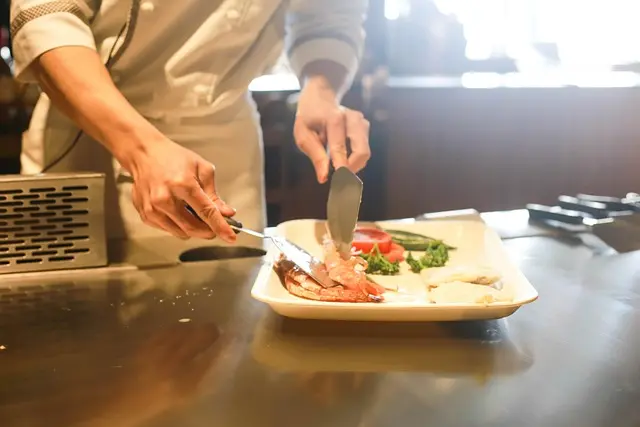
One of the most fundamental skills any chef must master is proper knife techniques. Knife skills not only improve safety in the kitchen but also enhance the presentation of dishes. Here’s how to refine your knife skills:
- Choose the Right Knife: Invest in a quality chef’s knife, which is versatile for most tasks. Brands like Wüsthof and Henckels offer durable options.
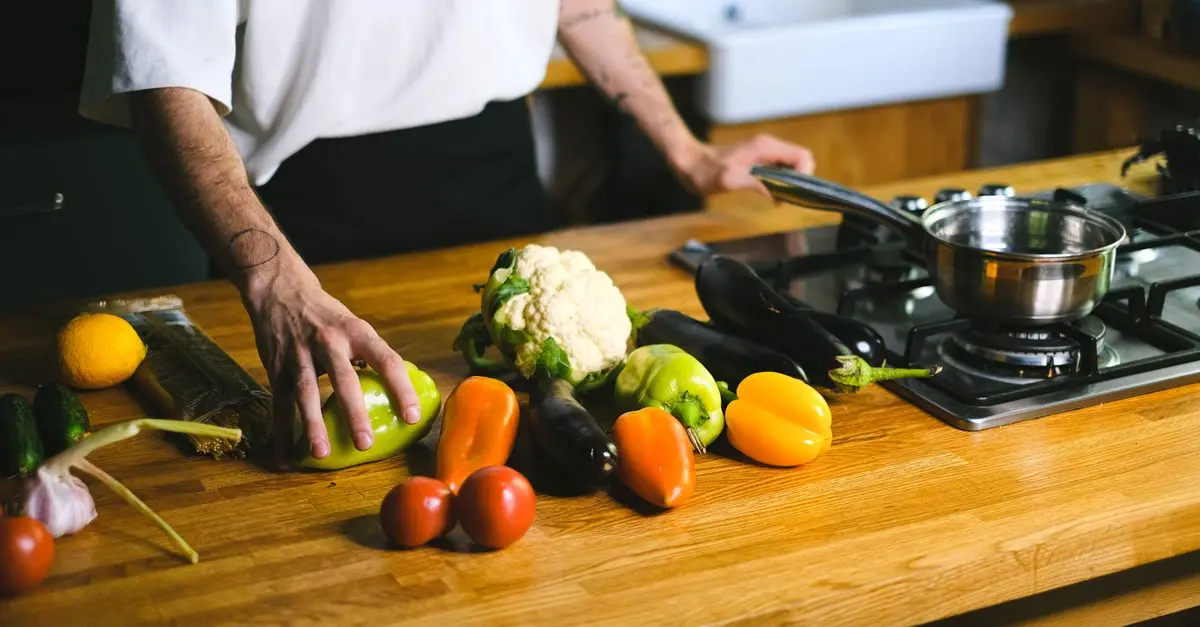
- Learn Basic Cuts: Familiarize yourself with different types of cuts—julienne, brunoise, and chiffonade are essential. Practicing on vegetables such as carrots and bell peppers can help.
- Practice Makes Perfect: Dedicate time daily to practice these cuts. Start slowly and build speed while focusing on accuracy.
- Common Mistakes to Avoid: Ensure your knife is sharp and maintain a proper grip to avoid accidents. Dull knives increase the risk of slipping and cutting yourself.
💡 Chef’s Tip: Practice your knife skills with a friend and consider filming the session—it will help you visualize where you can improve.
2. Mastering Cooking Methods
Different cooking methods yield different results, making it crucial to know when and how to use them. Here’s a breakdown of essential methods:
- Sautéing: This quick-cooking method uses a small amount of fat in a pan. Start by heating oil and adding ingredients like onions or garlic until they become translucent.
- Roasting: Ideal for meats and vegetables. Ensure even cooking by placing items in a single layer on a baking sheet at around 425°F. Season with herbs for enhanced flavor.
- Poaching: A gentle method excellent for delicate proteins like fish. Cook at a low temperature just below boiling in a flavored liquid.
- Grilling: Choose cuts with high fat content as they stay juicy. Keep the grill hot to sear the outside, locking in moisture.
By familiarizing yourself with these methods, you can choose the right technique for each dish. Statistics indicate that chefs who master multiple cooking methods are 30% more likely to innovate in dishes.
3. Embracing Seasoning and Flavor Development
Creating memorable dishes hinges on understanding how to develop flavors through seasoning. Here’s how:
- Know Your Seasonings: Learn the basics of herbs and spices. Use fresh herbs like basil or thyme to elevate flavors without overwhelming the dish.
- Layer Flavors: Add seasonings at different stages of cooking to build complexity. For instance, season meat before cooking, and add fresh herbs just before serving.
- Taste and Adjust: Always taste while cooking and adjust seasonings as necessary. Consider asking a friend for a second opinion if you’re unsure.
- Common Pitfalls: Over-salting is a frequent misstep. Use a light hand initially, as you can always add more.
💡 Chef’s Tip: Keep a seasoning journal to track how different seasonings affect various dishes. This will enhance your culinary intuition.
4. Practicing Plating Techniques
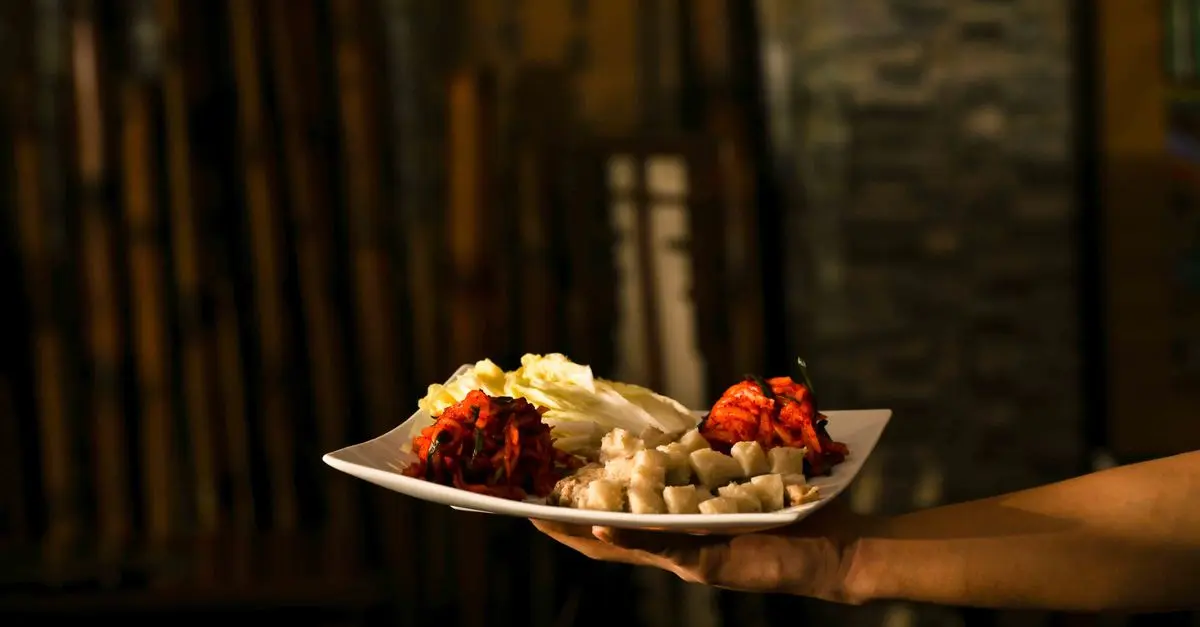
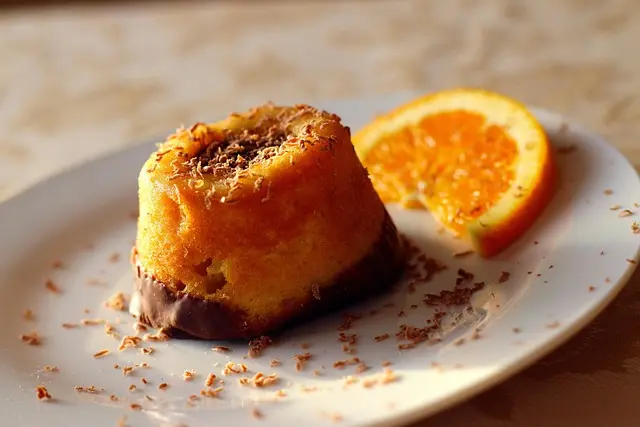
Presentation plays a significant role in how food is perceived. Here are tips to elevate your plating:
- Use the Right Plate: Larger plates can make portions appear smaller, while smaller plates can enhance presentation. Choose colors that contrast with your dish.
- Focus on Height: Layer ingredients to create height, making the dish more visually appealing. For instance, stack grilled vegetables or arrange proteins atop grains.
- Garnish Thoughtfully: Including a garnish engages the diner’s senses. Use microgreens or edible flowers for visual impact.
- Mistakes to Avoid: Avoid overcrowding the plate. Negative space can enhance the focal point of your dish.
5. Understanding Food Safety
Food safety is non-negotiable in the culinary world. Mastering these guidelines will ensure your kitchen remains safe:
- Keep It Clean: Always sanitize surfaces before and after food preparation. This practice is imperative to prevent cross-contamination.
- Store Correctly: Understand the proper temperatures for storing perishables. The USDA recommends keeping foods at 40°F or lower to avoid bacterial growth.
- Use a Food Thermometer: Ensure meats reach safe temperatures. For example, poultry should be cooked to at least 165°F.
- Common Pitfalls: Be aware of expiration dates and avoid using produce that shows signs of spoilage.
💡 Chef’s Tip: Create a simple checklist for food storage and safety to review regularly.
📺 Resource Video
> 📺 For going further: Essential Culinary Techniques for Beginners, a comprehensive guide on mastering cooking skills. Search YouTube for: 'culinary techniques for beginners 2026'.
Glossary
| Term | Definition |
|---|---|
| Sautéing | A cooking technique that involves cooking food quickly in a small amount of oil or fat over relatively high heat. |
| Poaching | A gentle cooking method where food is submerged in a flavorful liquid at low temperatures. |
| Plating | The art of arranging food on a plate for visual appeal before serving. |
Checklist before cooking
- [ ] Gather all necessary ingredients and tools
- [ ] Verify knife sharpness and clean cutting boards
- [ ] Clean and sanitize workspace
- [ ] Preheat ovens or grills as required
- [ ] Label pots and pans for different cooking methods
🧠 Quick Quiz: Which cooking method is best for delicate proteins?
- A) Roasting
- B) Poaching
- C) Grilling
Answer: B — Poaching is the best choice for gently cooking delicate proteins without losing moisture.
By strengthening your basic culinary techniques and embracing practice, you will embark on a fulfilling journey to elevate your culinary skills. Happy cooking!
📺 Pour aller plus loin : culinary techniques for beginners 2026 sur YouTube